
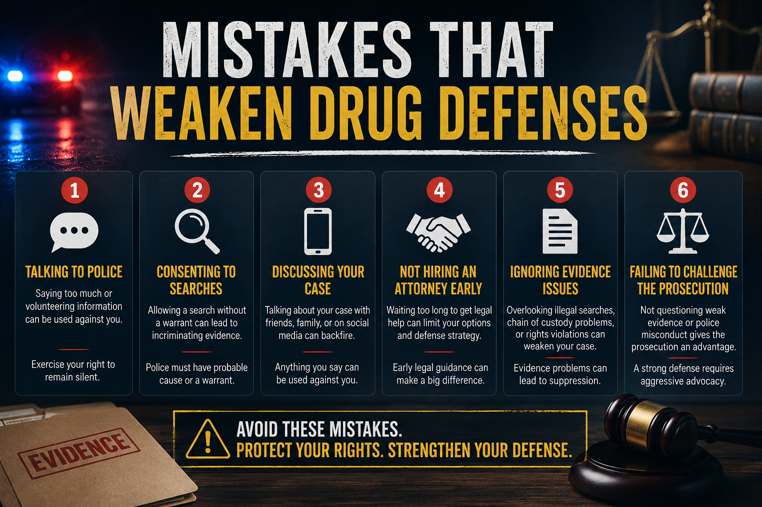

In a rapidly growing city like Phoenix, law enforcement agencies and prosecutors continue to pursue drug-related offenses aggressively, often building cases around traffic stops, searches, digital evidence, and statements made during stressful encounters with police. For many people, an arrest happens suddenly and creates immediate fear about jail time, employment, housing, professional licenses, and long-term damage to their reputation. In those moments, even small decisions can have serious legal consequences that follow a person long after the case begins.
Misunderstanding search rights, speaking too freely to investigators, delaying legal guidance, or overlooking important records can weaken defenses before the prosecution’s evidence is fully examined. Drug cases are rarely as straightforward as they first appear, especially when constitutional violations or flawed investigative procedures may exist beneath the surface. Working with a Phoenix drug crimes defense attorney can help individuals better understand how early mistakes affect the strength of a case and what steps may help protect their future moving forward.
Talking Too Much
Many people speak after an arrest because silence feels suspicious or cold. That urge often works against the defense. In many cases, a defense attorney examines whether officers had lawful grounds for a stop, respected search limits, stored evidence correctly, and honored basic protections during questioning. One casual remark can still support possession claims, imply intent, or narrow later arguments that might otherwise challenge the state’s version of events.
Forgetting Search Limits
Search issues often shape the strength of the prosecution. A person who assumes police may inspect anything at any time may miss a serious defense point. Consent, warrant scope, probable cause, and the length of a traffic stop all matter. If those limits were ignored, drugs, cash, devices, or containers may become disputed evidence. Early review can expose defects before the record hardens.
Waiting Too Long
Delay can weaken facts that might help later. The video may be erased. Memory can lose sequence, tone, and timing within days. Phone data may also become harder to secure. Prompt review helps preserve material while it still exists. Early work may also reveal mistakes in testing, storage, labeling, or questioning. A slow response often gives prosecutors a simpler narrative than the evidence truly supports.
Assuming Small Amounts Mean Small Trouble
People often treat a low quantity as minor exposure. That assumption can cause lasting trouble. Weight, location, prior record, and nearby items may increase legal risk. Scales, packaging, messages, or cash can shift a case from simple possession to allegations involving sale. Even a first charge may affect work, licensing, school options, and household stability long after court supervision ends.
Ignoring Medical and Prescription Records
Some accusations involve lawful medication or treatment history that explains possession. If those records are gathered late, the defense may lose useful context. Prescription dates, refill intervals, pill counts, and physician instructions can matter. Prosecutors may present a narrow account unless the file shows a fuller picture. Strong documentation by lawyers does not erase every allegation, but it can shape charging decisions and negotiation posture.
Treating Social Media as Harmless
Posts, images, and messages on social media can quickly become evidence. A joke, an old photograph, or a borrowed item may be framed as proof of use or knowledge. Friends may tag names without permission. Private chats may also surface after a device seizure. Careless online activity after arrest can create fresh problems. Quiet restraint usually protects a case better than public explanation or argument.
Overlooking Paraphernalia Allegations
Drug cases often include added counts tied to pipes, grinders, baggies, scales, or residue. Many people focus on the main accusation and ignore related claims. That choice can be costly. Extra counts may increase pressure during plea discussions. They also help prosecutors build a broader story about intent. Each item deserves close review, because small objects can carry outsized weight in court.
Missing Treatment Optics
Courts often watch conduct after arrest. Voluntary screening, counseling, or treatment may signal accountability in some cases. That step does not replace a legal defense, and it should never be handled blindly. Still, untreated substance use can affect judgment, sleep, appetite, and stress control, which may shape courtroom impressions. Thoughtful action, taken with legal guidance, can improve how a judge reads the overall record.
Why Details Matter
Drug cases are built from many small pieces. One weak choice may seem harmless alone, yet several together can damage the full defense. Statements, consent, delay, records, and online conduct often combine in ways that help prosecutors. Stronger cases usually grow from discipline, preserved evidence, and close review of police conduct.
Looking Only at the Present Charge
A drug case may appear limited to one count or one hearing. The long view is often more serious. Immigration status, student aid, firearm rights, and future sentencing exposure may all affect you. People who focus only on immediate relief may accept outcomes that create larger harm later. Sound defense choices consider present risk, future consequences, and the full legal record.
Conclusion
Weak drug defenses often fail long before the trial begins. They fail through rushed speech, delayed action, missing records, and false assumptions about what matters most. Stronger responses start with restraint, fact-gathering, and a close review of police conduct. In Phoenix, where drug allegations can carry lasting consequences, each early step shapes later options. Careful choices protect rights, reduce preventable harm, and give the defense a better chance to challenge the case well.