
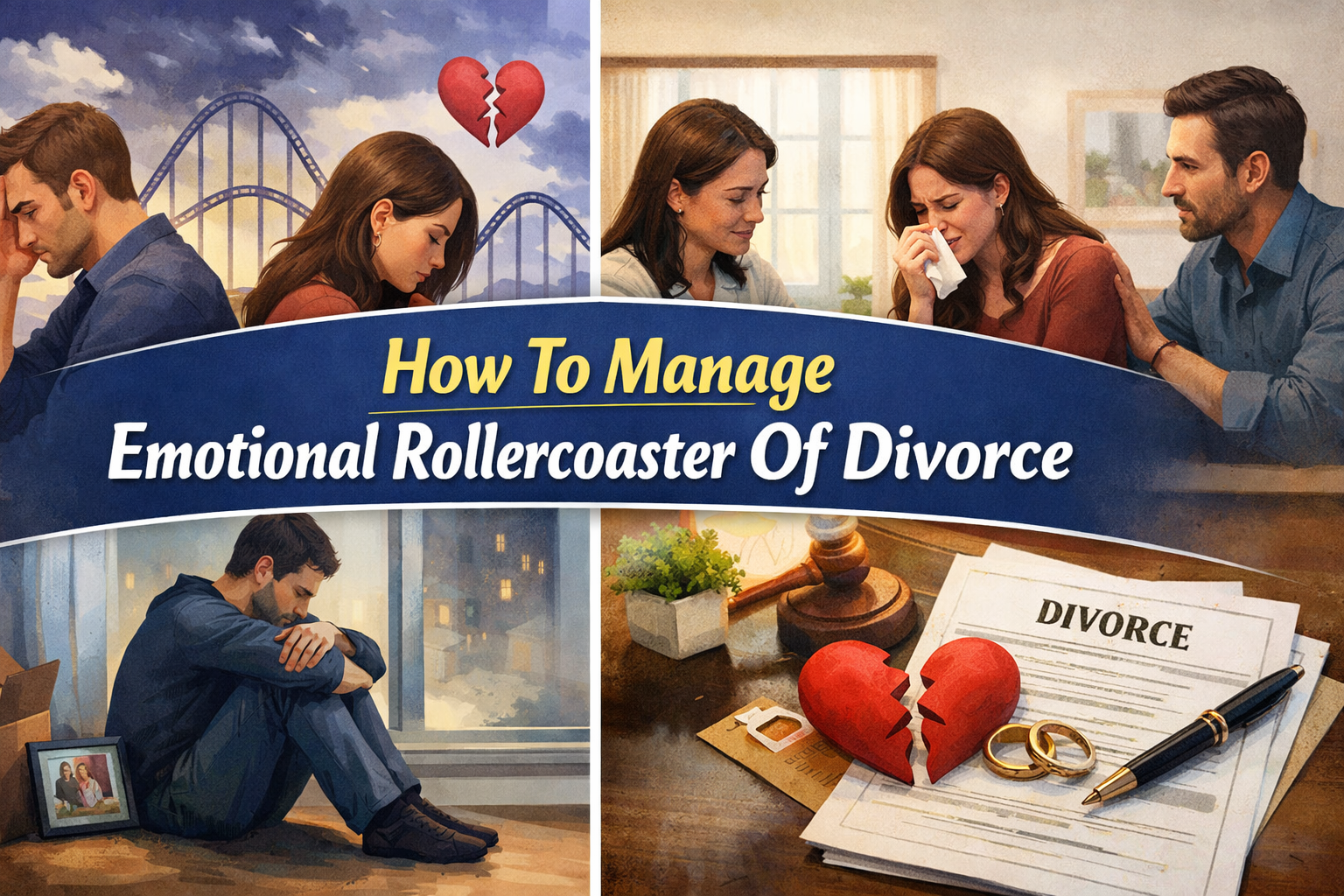

The Emotional Rollercoaster Of Divorce can affect mental health, family stability, and decision-making. Learn how to cope and navigate legal challenges.
Divorce can feel like a wild ride, filled with emotional highs and lows. You might experience a mix of relief, sadness, anger, and fear all in one day. Understanding these feelings is crucial. Family law attorneys often see how emotional turbulence affects decisions. You might feel overwhelmed, but you are not alone. Recognizing that these feelings are normal can be comforting. Consider seeking support from friends or professionals. They can provide a safe space for you to express yourself.
Remember, it is important to care for your mental well-being during this time. Focus on what helps you feel balanced and centered. By acknowledging and addressing your emotions, you can navigate this challenging journey with greater clarity. Change is hard, but with patience, you can find your path forward. Embrace the idea that better days will come. Your strength can guide you through this difficult time.
Understanding Common Emotions
During a divorce, emotions can change rapidly. You may feel relieved when making progress, then sad about changes in family dynamics. Anger might arise from perceived injustices or misunderstandings. Fear often surfaces when uncertainty looms about the future. Recognizing these emotions helps you cope. They are understandable responses to life shifts.
Seeking Support
Support from others is crucial during divorce. Confide in friends who listen without judging. They can provide comfort and perspective. Professional support, such as a therapist or counselor, offers a neutral space to voice concerns. They can help you process emotions constructively. Finding a support group can also be empowering. Shared experiences with others in similar situations can reduce feelings of isolation.
Practical Steps For Emotional Management
- Stay active. Exercise can boost your mood and reduce stress.
- Maintain a routine. This provides structure and stability.
- Prioritize sleep. Rest is essential for emotional resilience.
You might also consider writing in a journal. Reflecting on your thoughts can offer clarity and help track emotional progress. Additionally, set realistic goals for yourself. Small achievements can provide a sense of accomplishment and control.
Children and Divorce
Children may also ride the emotional rollercoaster. They may feel confused or anxious about changes. Honest, age-appropriate communication is key. Reassure them of your love and support. Stability helps children adapt. Consistent routines and familiar environments provide comfort.
The Role of Professionals
Engaging with family law attorneys helps clarify legal matters, reducing anxiety about the unknown. They can guide you through the legal steps, helping you make informed decisions. Parents can also help children during divorce by seeking therapists specializing in family dynamics.
Managing Financial Stress
Financial worries often accompany divorce. Creating a clear budget provides a sense of control. List income and expenses, and adjust as needed. You might find resources at local community centers or through government programs.
Comparing Emotional Impact: Pre-Divorce vs. Post-Divorce
| Emotion | Pre-Divorce | Post-Divorce |
|---|---|---|
| Relief | Occasional | Increases as decisions finalize |
| Sadness | Common | Decreases with time |
| Anger | Frequent | Varies, but can lessen |
| Fear | High | Reduced with stability |
Long-Term Emotional Growth
Post-divorce can become a time of personal growth. Learning about emotional triggers can improve future relationships. New hobbies or interests can develop, bringing joy and fulfillment. Volunteering or community involvement can foster connection and purpose.
Conclusion
Going through a divorce is challenging, but manageable with support and strategies. Recognize and accept your emotions. Seek help when needed. Care for your mental well-being and that of your children. With time, patience, and effort, you can find stability and happiness again. Remember, you are stronger than you think. Your journey forward, while difficult, can lead to newfound resilience and peace.