
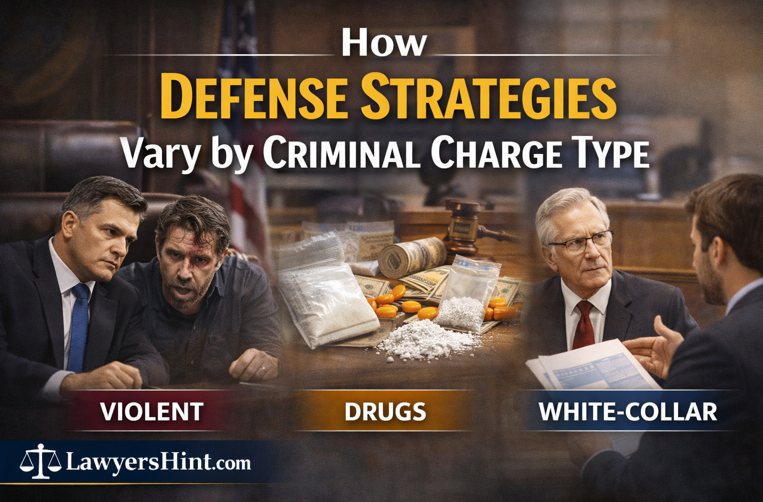

Defense strategies vary based on the type of criminal charge. Learn how tailored legal approaches can impact outcomes and protect your rights.
Seattle is a city defined by its layers, where the industrious hum of the Port of Seattle meets the sleek, high-tech ambition of South Lake Union. While the Pacific Northwest provides a stunning backdrop of evergreen horizons and Puget Sound, the local legal system is as rigorous and complex as the traffic on the I-5. For those caught in the web of Washington’s criminal justice statutes, the stakes are incredibly high, and a one-size-fits-all approach simply does not work. This is because how defense strategies differ by type of criminal charge is a fundamental reality of the courtroom, where the tactics used to fight a DUI are vastly different from those required for a white-collar financial allegation.
Navigating these nuances requires a deep understanding of local prosecutorial habits and the specific evidentiary standards for each unique offense. The criminal defense lawyers from Puget Law provide the tailored, aggressive advocacy necessary to deconstruct the state’s case based on the specific category of the accusation. By aligning a strategic defense with the exact nature of the charges, you can better protect your rights and your future.
Hybrid Defense to Theft or Property Offenses
As such, it usually shifts the focus to entitlement and intent in accusations involving stolen goods or damaged property. Defense attorneys may argue that the defendant had no intent to do so. Other times, mistaken identity or a misunderstanding is key. In other words, evidence such as surveillance video or witness testimony can make a big difference. A major aspect of the defense is to test the reliability of this evidence.
Approaches for Violent Crime Charges
A defense against assault, battery, or similar offenses typically involves an examination of the events surrounding the incident. Justifiable catchphrase, defense of self, or defense of others. It can be essential to present evidence of provocation or disprove the alleged victim’s account. Secondary information, such as witness statements, medical records, and forensic analysis, enhances the quality of the argument.
Strategies for Drug-Related Accusations
With allegations of illegal substances, it often pertains to possession, distribution, or manufacturing. During searches or traffic stops, defense teams might seek to challenge how evidence was gathered. Procedural failures may cause the dismissal of improperly gathered evidence. An enemy knows that it sometimes strengthens a defense to demonstrate that the accused was unaware of the substances. If the case goes to court, questions regarding ownership or intent to distribute can become the focus.
Handling White-Collar Crime Defenses
A different approach is needed when it comes to financial crimes, such as fraud or embezzlement. Many defenses revolve around intent, knowledge, and transaction complexity. Matching communications across financial records identifies flaws in the prosecution’s case. Technical data might need some experts to explain as well.
Approaches for Driving Offenses
Vehicles are also a technical subject — your defense must focus on the evidence — the technical evidence is compelling; range of impaired driving or intoxicated driving, careless, or reckless. Breathalyzer results, field tests, and officer observations are often challenged. Defense representatives may raise doubts about the testing equipment or training used on human subjects. Occasionally, a medical condition or actions taken during the stop can be grounds for disputing the charges.
Defending Against Sexual Offense Accusations
Sexual allegations must be treated delicately, but they must be addressed. Evidence: always complicated, always reliant on testimony and forensic vouching. Witnesses may be called into question by legal counsel, or physical evidence may be found not to be as it originally appeared. Consent concerns are scrutinized heavily. Messages and video recordings may become crucial supporting documents on the way to the truth. The proceedings should thus be conducted in such a manner that maintains a respect for both sides.
Juvenile Crime Defense Tactics
Defending minors charged with a crime requires special considerations. There is more emphasis on rehabilitation than retribution. Representatives may also look for other solutions, such as counseling or community service. Defenses can be shaped by psychological assessments and family circumstances. The strategy chosen is based on what is best for the young person in the future. To arrive at a result that serves the best interests of the individual and the public.
Conclusion
Every different class of criminal accusation requires specific information from you. A well-developed understanding of the legal and factual issues unique to a case is critical to effective defense strategies. This allows legal professionals to better defend the rights of those who may be prosecuted. Each successful defense requires careful preparation, attention to detail, and a commitment to fairness. Justice must reflect the unique nature of every case and how each should be addressed.