
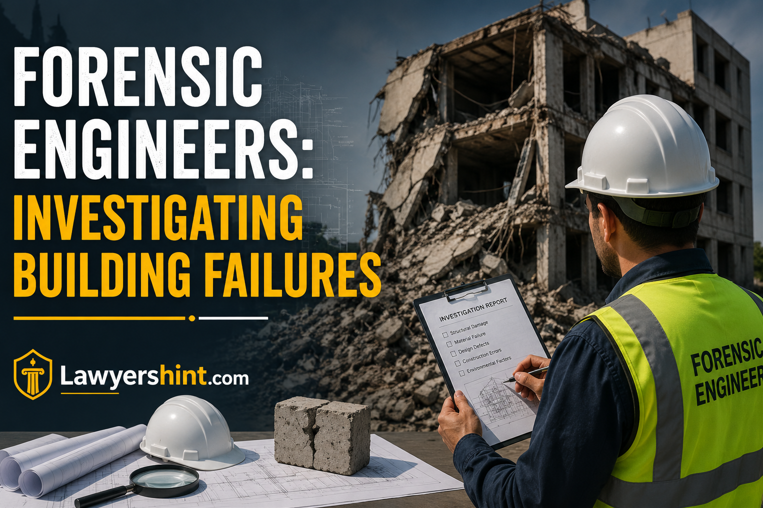

Forensic engineers play a crucial role in understanding why structures, systems, and materials fail. When accidents, collapses, or construction defects occur, forensic engineers are the professionals who step in to investigate the root cause. Their work combines engineering knowledge, scientific analysis, and investigative techniques to uncover what went wrong and why.
From collapsed bridges to faulty building systems, they help provide answers that are essential for legal cases, insurance claims, and future safety improvements.
What Do Forensic Engineers Do?
Forensic engineers specialize in analyzing failures or performance issues in buildings, infrastructure, machinery, and materials. Unlike traditional engineers who focus on design and construction, their focus on post-failure investigation.
They are often called upon to determine whether a failure was caused by:
- Design flaws
- Construction errors
- Material defects
- Poor maintenance
- Environmental factors
- Code violations
Their findings are often used in legal disputes, insurance investigations, and safety assessments.
A forensic engineer’s work is highly detailed and evidence-based. They collect data from the site, examine physical damage, review blueprints, and study relevant documentation to form an objective conclusion.
The Process Forensic Engineers Follow
The investigation process used by forensic engineers is structured and methodical. It ensures that conclusions are accurate, defensible, and based on solid evidence.
Site Inspection and Evidence Collection
The first step in any forensic engineering investigation is visiting the site of the failure or incident. Engineers document conditions through photographs, measurements, and samples. They may also preserve physical evidence such as fractured materials or structural components for laboratory testing.
This step is critical because it captures the scene before any repairs or changes are made.
Analysis and Testing
Once evidence is collected, forensic engineers conduct detailed analyses. This may include material testing, computer simulations, and structural modeling. The goal is to recreate the conditions that led to the failure.
They also review engineering drawings, maintenance records, and environmental data to identify contributing factors.
Reporting and Expert Opinions
After completing their analysis, forensic engineers prepare comprehensive reports. These documents explain their findings in clear, technical language supported by data and evidence.
In many cases, forensic are also required to serve as expert witnesses in court. They may present their findings, answer questions from attorneys, and help judges and juries understand complex engineering concepts.
Why Forensic Engineers Are Important
The work of forensic engineers is essential for safety, accountability, and justice. Their investigations help determine liability in legal cases and prevent similar failures in the future.
Key benefits include:
- Identifying the true cause of structural or mechanical failures
- Supporting insurance and legal claims with technical evidence
- Improving building codes and safety standards
- Preventing future accidents through lessons learned
- Providing unbiased, science-based conclusions
Without engineers, many technical failures would remain misunderstood or incorrectly attributed.
Where Forensic Engineers Are Commonly Used
Forensic engineers are involved in a wide range of industries and scenarios, including:
- Building collapses and structural damage
- Bridge and highway failures
- Construction defect litigation
- Fire and explosion investigations
- Product liability cases involving mechanical systems
Their expertise is valuable anywhere engineering systems intersect with risk, damage, or failure.
Conclusion
Forensic engineers provide a vital service in today’s complex built environment. By combining engineering principles with investigative analysis, they uncover the causes behind failures and help ensure accountability. Their work not only supports legal and insurance processes but also contributes to safer, more reliable infrastructure for the future.