
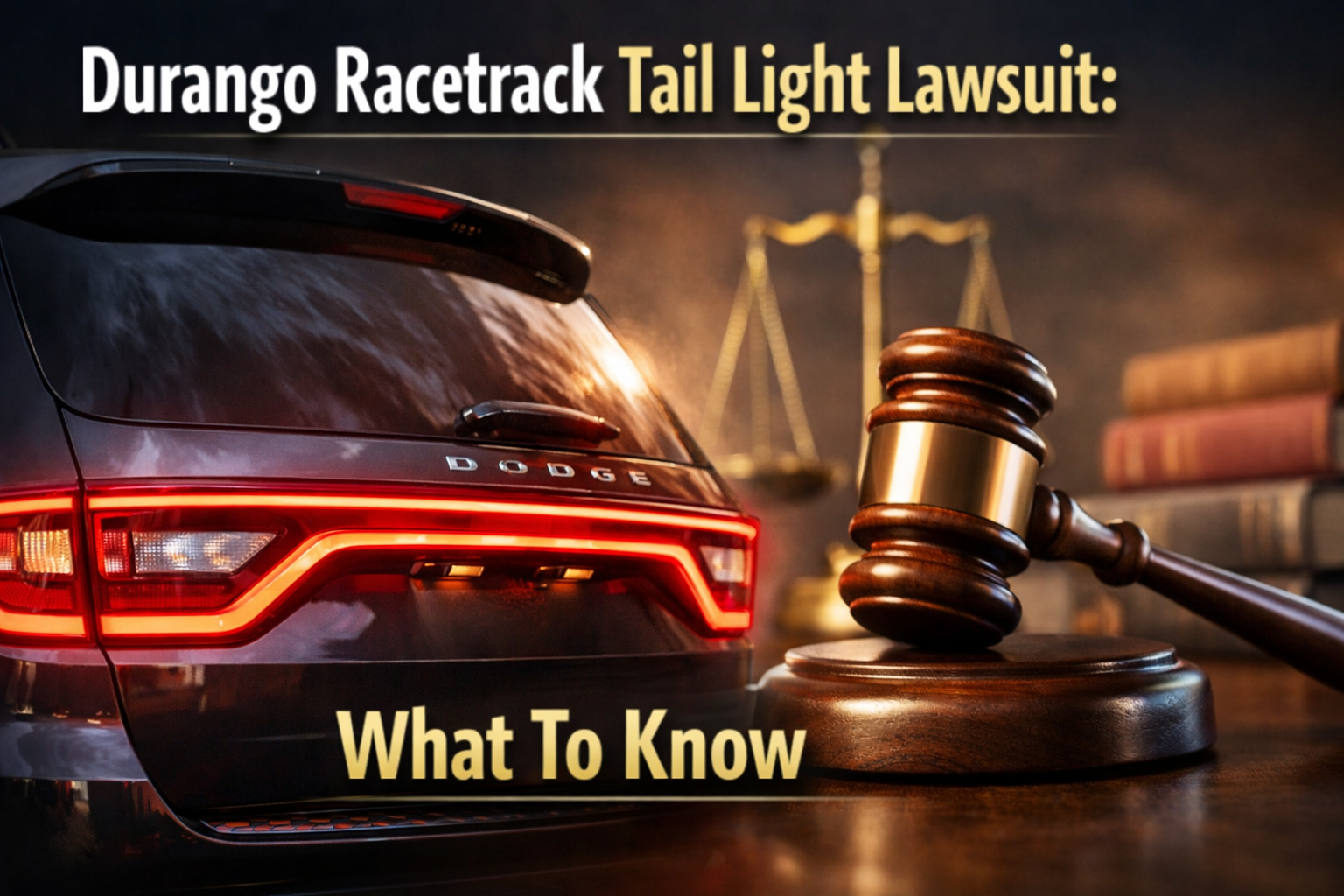

Learn about the Durango racetrack tail light lawsuit, including defects, legal claims, safety concerns, and what affected vehicle owners should know.
The durango racetrack tail light lawsuit has emerged as a significant legal issue in the automotive industry, particularly affecting owners of certain Dodge Durango models. This class action case centers on alleged defects in the vehicle’s distinctive LED “racetrack” tail lights, raising concerns about safety, repair costs, and manufacturer responsibility.
This article provides a detailed, professional overview of the lawsuit, including its background, legal claims, consumer impact, and potential outcomes.
What Is the Durango Racetrack Tail Light Lawsuit?
The lawsuit involves claims against FCA US LLC (the manufacturer of Dodge vehicles) regarding defective tail light assemblies in 2014–2023 Dodge Durango models. These vehicles feature a unique wraparound LED light design known as the “racetrack” tail light.
According to court filings, plaintiffs allege that:
- The tail light assembly allows water intrusion
- Moisture damages internal electrical components
- The defect leads to lighting failure and safety risks
The case has been filed as a class action lawsuit, meaning it may represent thousands of affected vehicle owners.
Core Allegations in the Lawsuit
1. Defective Design
The central claim is that the racetrack tail light system has a flawed design that allows water to enter through seals or gaskets. Once inside, water accumulates and causes corrosion and electrical damage.
2. Electrical Failures
The lawsuit states that water intrusion can lead to:
- Flickering or dim lights
- Complete tail light failure
- Malfunctioning reverse lights
- Backup camera issues
These failures may increase the risk of accidents, especially in low-visibility conditions.
3. High Repair Costs
Another major issue is cost. Plaintiffs claim that:
- Repairs can cost up to $2,000 per replacement
- Replacement parts may have the same defect
- Owners often pay out-of-pocket, even under warranty
4. Failure to Disclose
The lawsuit also alleges that the manufacturer knew about the defect but failed to inform consumers or issue a recall, which could constitute deceptive business practices.
Legal Basis of the Case
The durango racetrack tail light lawsuit is grounded in several legal theories:
- Product Liability: Manufacturers are responsible for defective products
- Breach of Warranty: Failure to honor express or implied warranties
- Consumer Protection Violations: Misrepresentation or omission of key facts
- Unjust Enrichment: Profiting from defective products
If proven, these claims could result in significant financial liability for the automaker.
Key Facts at a Glance
| Aspect | Details |
| Vehicles Affected | 2014–2023 Dodge Durango |
| Main Issue | Water intrusion in racetrack tail light assembly |
| Reported Problems | Flickering lights, total failure, camera issues |
| Estimated Repair Cost | Up to $2,000 per replacement |
| Legal Type | Class action lawsuit |
| Alleged Risks | Reduced visibility, increased accident risk |
| Manufacturer Response | No widespread recall reported |
| Court Timeline | Trial potentially scheduled around 2027 |
Safety Concerns
One of the most serious aspects of the lawsuit is the potential safety risk. Faulty tail lights can:
- Reduce visibility to other drivers
- Increase the chance of rear-end collisions
- Disable critical systems like reverse cameras
In some claims, electrical short circuits caused by water intrusion may even pose a fire hazard, further intensifying legal scrutiny.
Timeline and Case Progress
The lawsuit is currently progressing through the U.S. legal system, with a structured litigation timeline that may extend into 2027 for trial proceedings.
This long timeline is typical for class action cases, especially those involving large corporations and complex technical issues.
Consumer Impact
Financial Burden
Many Durango owners report paying repeatedly for repairs due to recurring failures. Since the issue may appear after the warranty expires, consumers often bear the full cost.
Lack of Permanent Fix
A major frustration among plaintiffs is that replacement parts allegedly do not resolve the issue permanently, leading to repeated expenses.
Broader Industry Implications
If the plaintiffs succeed, the case could:
- Force stricter quality control in automotive lighting systems
- Encourage manufacturers to improve transparency
- Lead to recalls or extended warranties
What Owners Should Do
If you own a Dodge Durango affected by this issue, consider the following steps:
- Inspect your tail lights regularly for moisture or condensation
- Document any failures or repairs
- Contact your dealership regarding warranty coverage
- Monitor class action updates for eligibility
Consumers may automatically be included in the class if the lawsuit is certified and proceeds toward settlement.
Potential Outcomes
The durango racetrack tail light lawsuit could result in several possible outcomes:
- Settlement: Compensation for repairs or diminished vehicle value
- Recall: Mandatory repair or replacement program
- Extended Warranty: Coverage for future failures
- Dismissal: If claims are not sufficiently proven
The outcome will likely depend on evidence regarding the defect and the manufacturer’s knowledge of the issue.
Final Thoughts
The durango racetrack tail light lawsuit highlights the growing importance of product accountability in the automotive industry. What may seem like a minor design feature, a stylish LED tail light, has become the center of a major legal dispute involving safety, cost, and consumer rights.
For vehicle owners, this case serves as a reminder to stay informed about potential defects and to take action when problems arise. For manufacturers, it underscores the legal and financial risks of overlooking design flaws.
Frequently Asked Questions (FAQ)
1. What is the Rebeca Mingura Credit One lawsuit about?
The Rebeca Mingura Credit One lawsuit involves allegations related to improper credit card practices, such as unauthorized charges, hidden fees, or misleading account terms. It focuses on potential violations of consumer protection laws.
2. Who is Rebeca Mingura?
Rebeca Mingura is the named plaintiff in the lawsuit against Credit One Bank. As the filing party, she represents claims that may also affect other consumers facing similar issues.
3. What is Credit One Bank accused of?
Credit One Bank is accused of practices that may include:
- Charging undisclosed fees
- Misrepresenting credit card terms
- Improper billing or account handling
- Failing to resolve disputes properly
4. Is this a class action lawsuit?
The case may be filed or pursued as a class action lawsuit, meaning multiple affected consumers could join if they experienced similar issues with Credit One Bank.
5. What laws could be involved in this case?
The lawsuit may involve key U.S. consumer protection laws such as:
- Truth in Lending Act (TILA)
- Fair Credit Billing Act (FCBA)
- Fair Debt Collection Practices Act (FDCPA)
6. What compensation could consumers receive?
If the lawsuit is successful, affected consumers may receive:
- Refunds for unauthorized charges
- Compensation for financial damages
- Coverage of legal fees
- Possible punitive damages
7. How can I know if I am affected?
You may be affected if you have a Credit One credit card and experienced:
- Unexplained fees or charges
- Billing errors
- Poor dispute resolution
Review your statements and account history carefully.
8. What should I do if I face similar issues?
You should:
- Document all charges and communications
- Contact Credit One Bank immediately
- File a complaint with consumer protection agencies
- Consider consulting a legal professional
9. Has the lawsuit been resolved?
As of now, the case may still be ongoing or under review. Final outcomes depend on court proceedings or potential settlement agreements.
10. Why is this lawsuit important?
The Rebeca Mingura Credit One lawsuit highlights the importance of transparency in financial services and helps protect consumers from unfair credit card practices.