
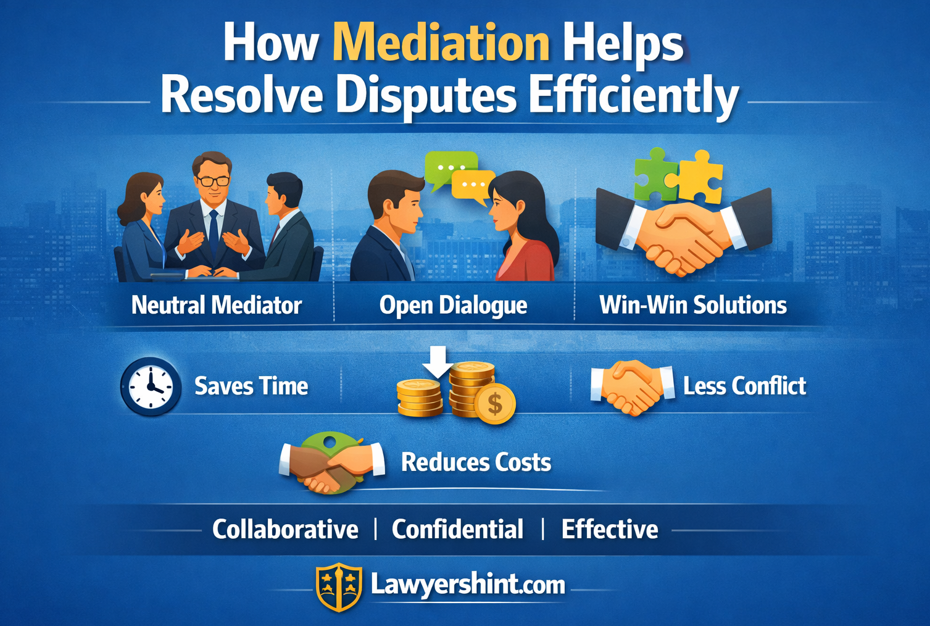

Mediation is a structured yet flexible process of alternative dispute resolution in which a neutral third party assists disputing individuals or groups in reaching a mutually acceptable agreement. Unlike litigation, mediation emphasizes collaboration, communication, and voluntary decision-making rather than imposed judgments. It is commonly used in civil, family, workplace, and commercial disputes, offering parties an opportunity to explore solutions in a confidential and less adversarial setting. The process supports preserving relationships while reducing the time and costs often associated with formal court proceedings.
In certain contexts, such as Florida mediation practices, the role of the mediator remains strictly facilitative, ensuring that all parties maintain control over the final outcome while encouraging constructive dialogue. This approach highlights key principles such as neutrality, confidentiality, and informed participation, which are central to effective mediation across different legal and organizational environments. It is widely applied in both formal and informal dispute settings.
Benefits of Mediation Over Litigation
Mediation provides notable benefits over conventional court processes, chiefly in time and cost savings. It allows parties to split the mediator’s fee, thereby avoiding substantial legal bills, motions, and discovery costs, which aids in financial planning and eases stress. Additionally, mediation is quicker, typically settling disputes within weeks rather than months, an advantage in business and family conflicts where delays could impact daily routines and mental well-being. Moreover, it encourages respectful communication, fostering honest dialogue aimed at repairing or maintaining relationships, in contrast to litigation, which can deepen divisions. The process also maintains confidentiality by protecting sensitive information and reputations, while encouraging open and honest dialogue.
The Mediation Process
Mediation is a well-structured yet adaptable process that typically unfolds in several distinct stages:
- Initial Meeting: The mediator meets with both parties to explain the process, answer questions, and set expectations about how the sessions will proceed. Setting ground rules at this stage creates an environment conducive to respectful dialogue.
- Statement of Issues: Each party has the opportunity to present its account of the dispute without interruption. This stage ensures all perspectives are heard and that grievances are made clear.
- Identification of Interests: The mediator helps participants identify their underlying interests and mutual objectives, distinguishing wants from critical needs. This focused approach often uncovers common ground overlooked amid conflict.
- Exploration of Options: Parties, guided by the mediator, brainstorm resolutions to meet as many needs as possible for everyone involved. This collaborative step empowers participants to craft creative, workable solutions.
- Negotiation and Agreement: If consensus is reached, parties work together to outline the agreed-upon terms in writing. The resulting agreement can be as formal or informal as participants wish and is typically enforceable as a contract.
Role of the Mediator
The success of mediation often hinges on the mediator’s skills. Mediators are neutral facilitators who remain impartial throughout the process. Their main objective is not to render a decision or judgment but to help guide the conversation, clarify points of contention, and encourage collaborative problem-solving. A good mediator listens actively, diffuses tension, and asks probing questions to help parties explore the root of the conflict and potential ways forward.
Unlike a judge, a mediator cannot impose a solution or force a settlement. Their role is to balance group dynamics and keep discussions productive and on track. By maintaining neutrality, mediators ensure that both sides feel heard and respected, which is often essential for durable agreements.
Confidentiality in Mediation
One of the foundational pillars of mediation is confidentiality. This means that discussions occurring within a mediation session are not disclosed outside it. Confidentiality shields participants from having their words or offers used against them in later proceedings, making it easier to communicate openly and honestly. It also minimizes the risk of reputational damage arising from public legal filings.
This protection further distinguishes mediation from litigation, where proceedings and records are public and may expose sensitive or proprietary information. Knowing the conversations and documents shared in mediation are private allows parties to propose solutions or admit mistakes with greater candor, increasing the likelihood of a mutually agreeable resolution.
Real-Life Examples of Successful Mediation
Mediation’s effectiveness can be found in a wide array of settings. For example, professional sports leagues have turned to mediation to resolve labor disputes and contract disagreements swiftly and with less public drama than legal battles. According to the Program on Negotiation at Harvard Law School, mediation has repeatedly helped resolve sports conflicts efficiently by opening the channels of communication and encouraging creative, mutually beneficial agreements.
In the workplace, mediation has successfully de-escalated conflicts between supervisors and employees. In family law, mediation helps separating couples settle property, custody, and visitation arrangements, often resulting in less acrimonious and more stable outcomes than courtroom litigation. Even in commercial disputes, mediation facilitates productive settlements that allow companies to preserve important business relationships and avoid costly legal battles.
When to Choose Mediation
Mediation is best suited when all parties are interested in resolving the issue without prolonged acrimony and are willing to communicate openly. It is especially viable for parties seeking to avoid the extensive costs and delays associated with court cases. Mediation is also recommended when maintaining an ongoing relationship post-dispute is valuable, such as with business partners, spouses, or neighbors. If privacy is paramount and the parties are motivated to explore compromise, mediation is often the most practical first step in the dispute resolution process.
Conclusion
Mediation stands out as a modern, effective tool for resolving disputes of all kinds. It reduces costs, expedites solutions, and preserves valuable relationships by fostering a confidential, respectful, and collaborative environment. As demand for alternatives to litigation grows, mediation’s combination of flexibility, privacy, and efficiency makes it a smart choice for individuals and businesses alike seeking to resolve their conflicts constructively.