
Understanding who investigates police misconduct is crucial for justice and accountability. Police departments often have internal affairs units to look into complaints. These units aim to maintain integrity within the force. However, their findings may not always satisfy public expectations. External oversight bodies often step in to provide an impartial review. Some cities have independent review boards or civilian oversight committees. These bodies work to ensure investigations are fair and transparent.
In serious cases, federal agencies like the FBI may investigate. They usually step in when there are allegations of civil rights violations. Additionally, legal professionals play a vital role. Police Brutality Lawyers Chicago work diligently to gather evidence and represent those affected. They often work alongside investigators to ensure cases are thoroughly examined. Understanding these processes helps maintain trust in the justice system. This trust is essential for communities to feel safe and respected.
Internal Affairs Units
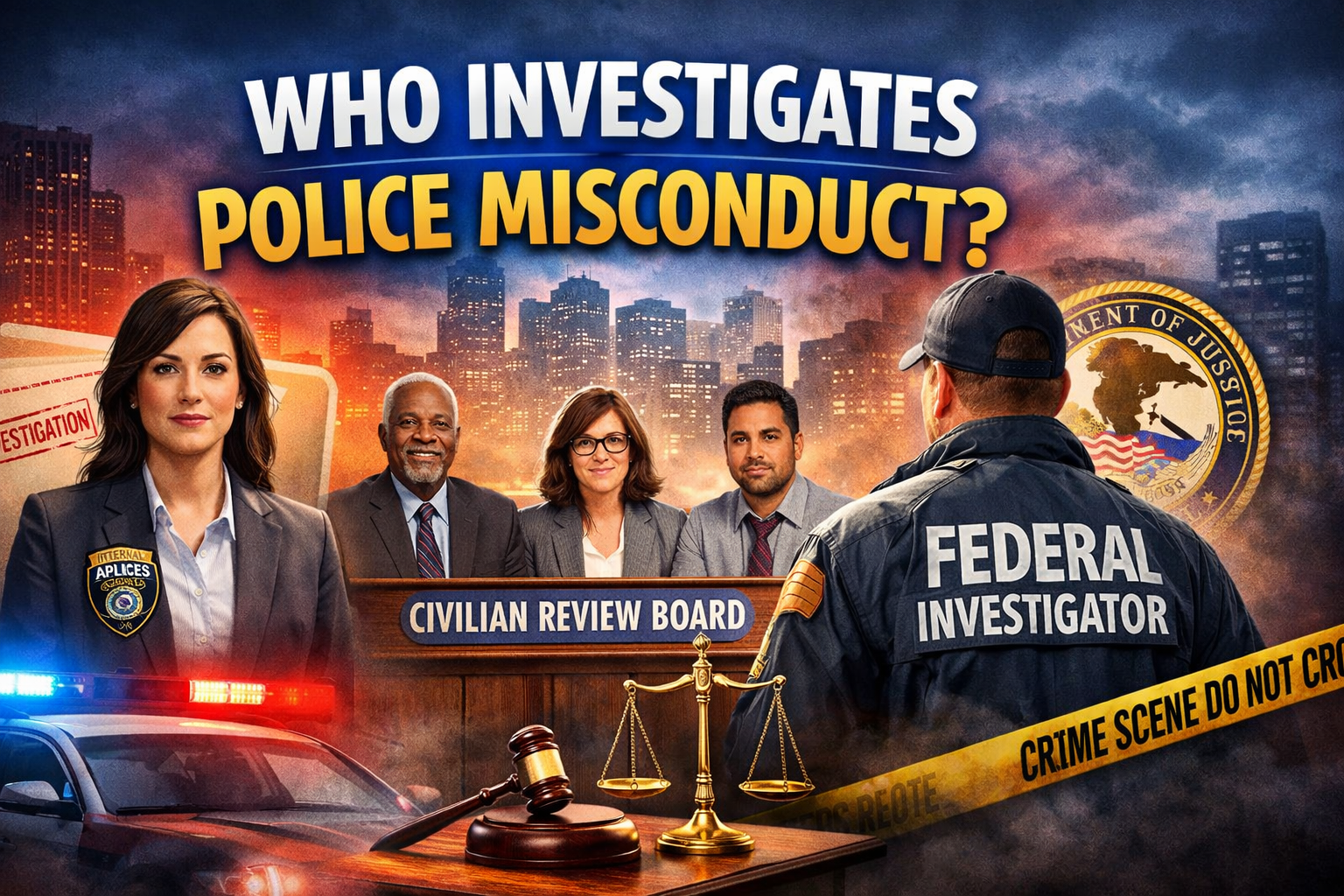
Most police misconduct investigations start within the police department. Internal affairs units handle complaints against officers. They focus on maintaining department standards and officer conduct. These units work independently from regular police duties. Their role is crucial because they have direct access to police records and officer testimony.
Civilian Oversight Committees
Civilian oversight committees play an important role in monitoring police conduct. These boards consist of members from the community. They offer an independent perspective on investigations. By reviewing cases and suggesting policy changes, they help ensure transparency and accountability. According to the National Association for Civilian Oversight of Law Enforcement, these committees can vary widely in their power and scope. Some can only make recommendations, while others have the authority to conduct their own investigations.
Federal Involvement
The federal government sometimes steps in to investigate police misconduct. Agencies like the FBI investigate when there’s a pattern of misconduct or civil rights violations. They bring an external perspective that can be particularly important in serious cases. Federal involvement often leads to more comprehensive investigations, addressing systemic issues within the police force.
Legal Professionals
Lawyers play a significant role in police misconduct cases. They represent victims and ensure their cases are heard. Legal professionals gather evidence, interview witnesses, and build a strong case for their clients. By working with external investigators, they push for thorough and impartial investigations. Lawyers often help bridge the gap between victims and the justice system.

Steps in a Police Misconduct Investigation
Understanding the steps involved in a police misconduct investigation can provide clarity on the process:
- Complaint Filed: A complaint is lodged against an officer or the department.
- Initial Review: The complaint is reviewed to determine if it warrants a full investigation.
- Investigation: Evidence is gathered, interviews are conducted, and reports are compiled.
- Report Findings: The findings are documented, and recommendations are made.
- Action Taken: Disciplinary actions, policy changes, or legal proceedings may follow.
Comparison of Investigation Bodies
| Body | Scope | Authority |
|---|---|---|
| Internal Affairs | Within the department only | High, but limited to department policies |
| Civilian Oversight | Community-based review | Varies; often advisory |
| Federal Agencies | Nationwide, systemic issues | High, includes legal enforcement |
The Importance of Transparency and Accountability
Transparency and accountability are essential in maintaining public trust. When investigations are thorough and fair, they can help restore faith in law enforcement. This is vital for maintaining a healthy relationship between police and the community. Ensuring accountability through proper channels can deter future misconduct and promote a culture of integrity within police forces.
By understanding these investigative processes, we can better appreciate the checks and balances in place to safeguard citizen rights. This knowledge empowers us to advocate for fair treatment and justice for all.
FAQ: Investigates Police Misconduct
1. What does it mean when an agency investigates police misconduct?
When an agency investigates police misconduct, it reviews complaints, collects evidence, interviews witnesses, and determines whether an officer violated department policies or laws.
2. Does Internal Affairs investigate police misconduct?
Yes. Internal Affairs is one of the primary units that investigates police misconduct, including excessive force, corruption, harassment, and abuse of authority.
3. Can the federal government investigate police misconduct?
Yes. The U.S. Department of Justice can investigate police misconduct, especially when civil rights violations are suspected or there is a pattern of unlawful behavior.
4. Do civilian review boards investigate police misconduct?
Many cities have civilian oversight boards that investigate police misconduct or review complaints to ensure accountability and transparency.
5. What happens after investigators review a police misconduct complaint?
After investigators review the case, they may recommend disciplinary action, termination, criminal charges, or policy reforms depending on the findings.
6. How long does it take to investigate police misconduct?
The timeline varies, but investigations can take weeks or months depending on evidence, witness availability, and the complexity of the incident.
7. Can citizens file complaints that lead to investigations of police misconduct?
Yes. Citizens can file complaints through police departments, civilian review boards, or state and federal agencies to trigger an official process that investigates police misconduct.
8. What evidence is used to investigate police misconduct?
Common evidence includes body camera footage, dashcam video, witness statements, dispatch records, medical reports, and police reports.
9. Why is it important to investigate police misconduct?
It is important to investigate police misconduct to protect public trust, uphold civil rights, ensure accountability, and prevent repeated abuse of power.