
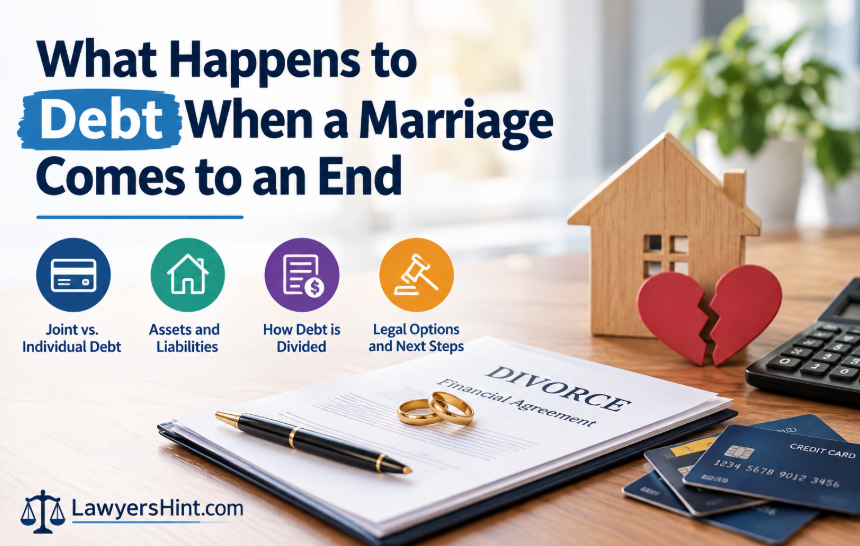

Understanding what happens to debt when a marriage ends is an important part of planning for life after divorce. A Texas divorce lawyer can help spouses understand their financial obligations as they work through decisions that may affect their credit, property, and future finances. In Texas, dividing debt involves more than simply determining whose name appears on a bill. The nature and timing of an obligation, along with how it was incurred, can influence how it is addressed during divorce.
- Start With a Complete Debt List
- Marital Debt and Separate Debt
- The Name on an Account
- Mortgages and Home Loans
- Vehicles and Personal Loans
- Credit Cards and Medical Bills
- Student Loans and Tax Balances
- Settling Debt During Divorce
- Court Orders and Enforcement
- Protecting Future Finances
- Protecting Your Finances After Divorce
For spouses facing the end of a marriage, gaining clarity about these responsibilities early can make financial decisions more manageable. Knowing what questions to ask and which records to gather can also help individuals approach the transition with greater confidence and fewer unexpected financial complications.
Start With a Complete Debt List
A divorce lawyer can explain how state rules may apply to joint accounts and separate obligations. Couples should collect statements, loan contracts, tax records, and payment histories. A complete list should show balances, interest rates, account numbers, monthly duties, and whose name appears on each contract. This record gives both parties a reliable starting point before property discussions, settlement talks, or courtroom decisions begin.
Marital Debt and Separate Debt
Texas generally treats obligations acquired during marriage as community debt, even if only one spouse signed the paperwork. Separate debt usually belongs to the person who incurred it before the wedding or after legal separation. However, timing alone may not answer every question. A charge connected to a family residence, shared business, or household need can require closer review. Records often provide stronger evidence than assumptions about who benefited.
The Name on an Account
A divorce decree can assign payment duties between former spouses, but it cannot rewrite a lender’s contract. If both names appear on a credit account, each borrower may remain responsible under the original agreement. One spouse’s failure to pay can affect the other person’s credit report. Written communication with creditors, timely payments, and account monitoring can reduce financial harm while the case moves forward.
Mortgages and Home Loans
Home loans create special concerns because missed installments can lead to foreclosure, penalties, and lasting credit damage. Spouses may sell the property, refinance the note, or let one person keep the residence. Refinancing may remove one borrower from the lender’s contract, but approval depends on income, credit history, debt ratios, and property value. A court assignment does not guarantee that a bank will release either signer.
Vehicles and Personal Loans
Vehicle financing often remains tied to the person named in the loan documents. A spouse who receives the car may need to refinance, sell it, or continue payments under an agreed plan. Personal loans require similar attention, especially if proceeds paid household expenses or supported a jointly operated venture. Any written statement should include insurance, registration, maintenance costs, and remaining balances.
Credit Cards and Medical Bills
Credit card debt can grow quickly through interest, late fees, and new charges. Couples should stop using shared accounts once separation becomes likely, unless both parties approve a temporary plan. Medical bills deserve separate review because treatment dates, insurance coverage, and payment agreements can affect responsibility. Closing an account may not erase the balance, so save statements before cancellation.
Student Loans and Tax Balances
Student loans often raise questions about ownership, repayment, and reimbursement. A loan taken before marriage may remain separate, while payments made with marital income can create a claim for consideration. Tax balances also need prompt review. Joint returns can expose both spouses to collection action, interest, or penalties. Each person should obtain tax transcripts and examine whether amended filings or payment arrangements are necessary.
Settling Debt During Divorce
A settlement can state who will pay each balance, the required deadline, and the remedy for missed installments. Clear language should identify account numbers, payment amounts, transfer dates, and proof requirements. Property trades may help cover large obligations, but the figures must be realistic. A promise unsupported by income, assets, or lender approval may create another dispute after the marriage formally ends.
Court Orders and Enforcement
If spouses cannot agree, a judge may divide obligations through temporary or final orders. Courts can enforce those orders through contempt proceedings, reimbursement awards, or other available remedies. Enforcement may still take time and cost legal fees. Payment records, bank statements, written messages, and creditor notices can help show whether a party followed the assigned duty. Accurate evidence often matters as much as the original agreement.
Protecting Future Finances
Separate bank accounts, updated passwords, credit alerts, and regular report reviews can help limit further exposure. Spouses should notify lenders about address changes and retain copies of every payment confirmation. Avoid new borrowing unless an urgent household need requires it. Professional tax, lending, and legal advice may identify risks that ordinary account review misses. Careful preparation gives both parties better control over the next financial chapter.
Protecting Your Finances After Divorce
Debt does not disappear because a marriage ends. Responsibility depends on account contracts, Texas property rules, payment history, and the terms of a court order or settlement. Former spouses should list every obligation, protect their credit, and address lender requirements before accepting a final division. Clear documents reduce confusion and help enforce the order if payments stop. With accurate records and timely advice, families can move forward with fewer financial surprises and stronger protection for future income.