
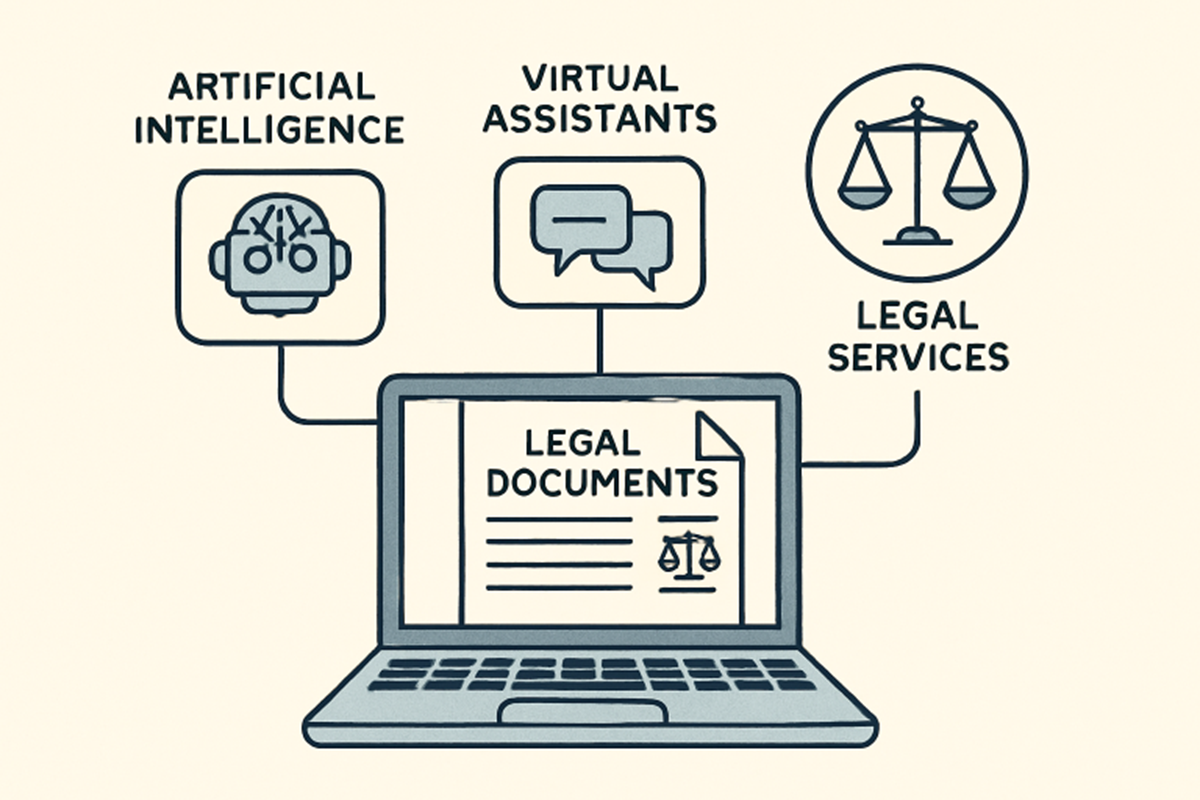

Staying ahead in the legal field requires understanding the advanced technology and evolving practices transforming legal support services today. Law firms and solo practitioners alike are confronting dramatic shifts, from the integration of artificial intelligence to the ascent of new business models. These developments not only shape how attorneys practice law but also impact service quality and client satisfaction. In major legal hubs like Los Angeles, working with an experienced attorney service LA can help streamline case management and adapt to these modern trends.
With growing client expectations and rapid regulatory changes, attorneys are increasingly reliant on efficient solutions and specialized expertise. By embracing digital tools and alternative support models, legal professionals can reallocate their time from routine administrative tasks to high-value problem-solving and advocacy. As these changes continue, competitive firms will be distinguished by their ability to integrate the latest innovations and maintain excellence in every aspect of representation.
Innovations in legal service delivery are shaping operational models throughout the profession. Whether leveraging AI-powered document review platforms or securing reliable compliance technology, attorneys are re-imagining their workflows to meet ever-rising demands for accuracy, speed, and transparency.
While the challenges are significant, the opportunities to adopt new efficiencies and grow your legal practice have never been greater. The future belongs to those willing to adapt and thrive in this dynamic environment.
Artificial Intelligence in Legal Research and Document Management
Artificial intelligence has become indispensable in legal research and document management, offering unprecedented speed and accuracy in handling information. AI-driven legal platforms rapidly scour legal databases to locate case law, track legislative changes, and formulate strategic litigation insights. To quickly identify risks and optimize negotiation strategies. According to a comprehensive Reuters report, AI has saved millions of attorney hours by automating review and research processes. Law firms can now delegate repetitive due diligence and contract scrutiny to AI, freeing professionals for more substantive work and client engagement. Large-scale adoption by legal departments and major firms underscores the effectiveness of AI in reducing costs and increasing accuracy.
Virtual Legal Assistants Enhancing Client Interactions
Virtual legal assistants, powered by machine learning and natural language processing, are becoming essential to law firm operations. These intelligent systems manage everything from appointment scheduling and client intake to drafting preliminary responses and archiving communications. Attuned to client needs, virtual assistants provide consistent information and maintain real-time contact, which is especially beneficial for solo practitioners and smaller practices striving for operational efficiency. According to the 2023 ABA Legal Technology Survey Report, these tools also help bridge communication gaps, ensuring that no inquiry goes unanswered and streamlining legal teams’ workflows.
Expansion of Alternative Legal Service Providers (ALSPs)
Alternative Legal Service Providers have established themselves as mainstays in the industry by delivering specialized support services to law firms and corporate counsel. ALSPs handle a wide array of tasks, including e-discovery, legal research, document review, compliance monitoring, and beyond. Their popularity is driven by their ability to offer predictable pricing models, such as flat fees, subscriptions, and outcomes-based billing, making legal services more accessible to businesses and individuals.
By strategically partnering with ALSPs, traditional law firms can reduce costs while maintaining high professional standards. Smaller firms especially benefit from the scalability and resource flexibility that ALSPs provide, while larger firms use ALSPs to manage the peaks of complex or document-heavy cases. As this model continues to evolve, expect even more overlap between technology, legal know-how, and streamlined service delivery.
Compliance Pressures Reshaping Legal Workflows
The web of compliance obligations facing today’s attorneys is more complex than ever. Technology has become indispensable in maintaining secure data practices, tracking legal deadlines, and ensuring proper process service. Secure retrieval and transfer of sensitive medical records, for example, help maintain HIPAA compliance and mitigate the risk of data breaches. Automation of case tracking and documentation not only protects against costly compliance failures but also improves transparency for clients and litigation partners. Integrating compliance platforms and digital workflow tools allows law firms to provide safer, more reliable legal solutions in a fast-paced regulatory environment. Ongoing regulatory changes, as noted in recent coverage by Business Law Today, are accelerating digital transformation in legal practice across industries.
Specialization and Niche Expertise
The rise of specialized practice areas signals a new era for law firms and clients. As legal matters become more technical and industries like data privacy, fintech, and life sciences introduce unique legal risks, the importance of niche expertise rises. Clients are now prioritizing legal partners who understand sector-specific regulations and can deliver accurate, tailored counsel rather than generalized advice. Trends across the legal industry, discussed in LawPay, indicate that attorneys who can demonstrate depth of skill and up-to-date knowledge in trending fields will attract and retain high-value clients. Specialization strengthens a firm’s ability to innovate. The widespread adoption of technology, greater client-centricity, and increasing specialization define the ongoing transformation of legal support services. Attorneys adapting to these trends are positioned to provide superior service, operate more efficiently, and deliver better outcomes for their clients. Firms willing to innovate and implement new tools and strategies will remain leaders as the profession continues to evolve in the years ahead.
FAQ: Legal Support Services for Attorneys
What are legal support services for attorneys?
Legal support services assist attorneys with research, document preparation, case management, and administrative tasks to improve efficiency and accuracy.
Why do attorneys use legal support services?
They help attorneys save time, reduce costs, maintain compliance, and focus on higher-level legal strategy and client advocacy.
What types of legal support services are available?
Services include paralegal support, litigation support, legal research, document review, transcription, and case management services.
How can legal support services improve case outcomes?
By providing thorough research, accurate documentation, and organized case files, support services help attorneys build stronger cases.
Are legal support services suitable for small firms?
Yes. Small firms often rely on support services to scale operations and provide high-quality legal services without hiring full-time staff.
Can legal support services handle confidential information?
Yes. Reputable legal support services adhere to strict confidentiality agreements and comply with legal ethics and data protection standards.
How do legal support services reduce workload for attorneys?
They handle time-consuming administrative and research tasks, freeing attorneys to focus on strategy, client interactions, and court preparation.
Are there specialized legal support services for certain practice areas?
Yes. Many providers offer specialized support for areas like corporate law, intellectual property, family law, litigation, and more.
How do attorneys select the right legal support service?
Attorneys consider expertise, reliability, confidentiality, pricing, and compatibility with their workflow and practice area.
Can legal support services be used remotely?
Yes. Many services are offered virtually, allowing attorneys to access support from anywhere while maintaining security and efficiency.