
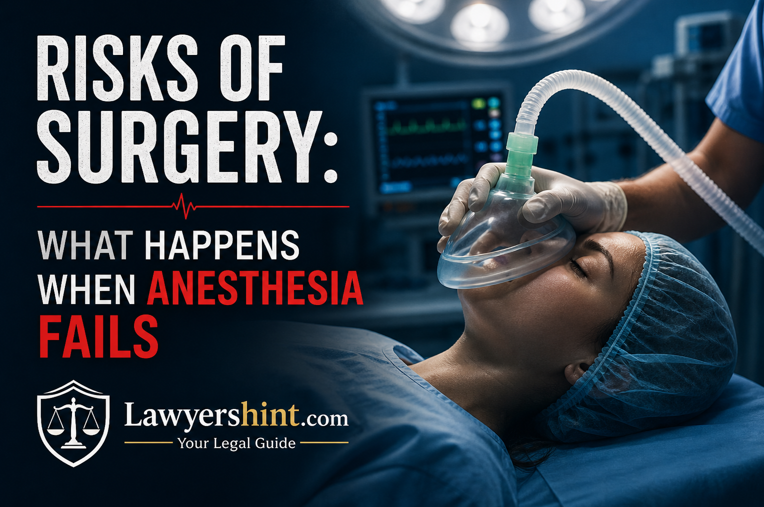

Surgery is inherently stressful, but for most patients, the deepest anxiety centers on the procedure itself. The anesthesia—the medication that allows the surgery to happen without pain or awareness—is often viewed as a routine preliminary step. Patients trust that they will go to sleep, the surgeon will do their work, and they will wake up in recovery.
In the vast majority of cases, that is exactly what happens. But when anesthesia goes wrong, the consequences are rarely minor. Because these medications suppress the central nervous system, control breathing, and regulate heart rate, even a momentary lapse in attention or a slight miscalculation in dosage can lead to catastrophic outcomes.
For patients and families navigating the aftermath of a surgical complication, understanding the role anesthesia played is often the first step toward finding answers.
How Anesthesia Errors Occur
Anesthesiology is a highly precise medical specialty. It requires constant monitoring, rapid adjustments, and a deep understanding of a patient’s unique medical history. When errors occur, they typically fall into one of several distinct patterns of negligence.
Dosage Miscalculations: Administering too much anesthesia can suppress the respiratory and cardiovascular systems to the point of brain damage, coma, or death. Conversely, administering too little can result in “anesthesia awareness,” a horrifying condition where a patient is paralyzed and unable to speak, but fully conscious and able to feel the pain of the surgery.
Failure to Monitor: A patient under general anesthesia cannot regulate their own vital signs. The anesthesiologist or nurse anesthetist must continuously monitor oxygen levels, heart rate, and blood pressure. Failing to notice a drop in oxygen saturation for even a few minutes can cause permanent hypoxic brain injury.
Intubation Errors: Many patients under general anesthesia require a breathing tube (intubation) to keep their airway open. If the tube is placed incorrectly, damages the vocal cords, or is not monitored to ensure it remains clear, the patient can suffer severe oxygen deprivation.
Ignoring Medical History: Anesthesia is not one-size-fits-all. A patient’s weight, age, allergies, and underlying health conditions (such as sleep apnea or heart disease) dictate the type and amount of medication used. Failing to review a patient’s chart or ignoring known risk factors is a fundamental breach of the standard of care.
The Long-Term Impact on Patients
The injuries resulting from anesthesia errors are often life-altering. While a surgical mistake might require a corrective procedure, an anesthesia error frequently results in systemic damage.
Hypoxic or anoxic brain injuries—caused by a lack of oxygen to the brain—can leave a patient with permanent cognitive deficits, loss of motor function, or requiring lifelong institutional care. Other severe outcomes include spinal cord injuries from improperly administered epidurals, heart attacks, strokes, and fatal organ failure.
The financial and emotional toll on families is immense. Patients may require round-the-clock care, specialized medical equipment, and years of rehabilitation, all while losing their ability to work and provide for their families.
Seeking Accountability After an Error
Hospitals and medical professionals rarely admit fault voluntarily when an anesthesia error occurs. The initial explanation provided to the family is often vague, attributing the poor outcome to “unforeseen complications” or the inherent risks of surgery.
Uncovering the truth requires a meticulous review of surgical logs, anesthesia records, and machine data. Because these cases are highly complex and fiercely defended by hospital insurance companies, families suspecting negligence often find answers at https://www.vscplaw.com/philadelphia-anesthesia-error-attorney and seek guidance from an anesthesia error attorney in Philadelphia who has the resources to investigate the surgical timeline and consult with independent medical experts.
To prove malpractice, it must be established that the anesthesiologist or medical staff deviated from the accepted standard of care, and that this specific deviation directly caused the patient’s injuries.
Protecting Yourself Before Surgery
While patients cannot control what happens in the operating room, they can take steps beforehand to reduce their risks.
- Be exhaustive about your medical history. Disclose every medication, supplement, and prior reaction to anesthesia, no matter how minor it seems.
- Ask who will be administering the anesthesia. Will it be a board-certified anesthesiologist, or a nurse anesthetist? If it is a nurse, will an anesthesiologist be supervising in the room?
- Follow pre-operative instructions strictly. Fasting guidelines exist specifically to prevent aspiration (inhaling stomach contents into the lungs) while under anesthesia.
When the unthinkable happens, families are left to pick up the pieces. Recognizing the signs of an anesthesia error and understanding the legal avenues for accountability can help victims secure the care they need and ensure that similar mistakes are not repeated.
Disclaimer: This article is provided for general informational purposes only and does not constitute legal advice. Reading this article does not create an attorney-client relationship. Readers should consult a qualified attorney regarding the specific facts of their situation.