
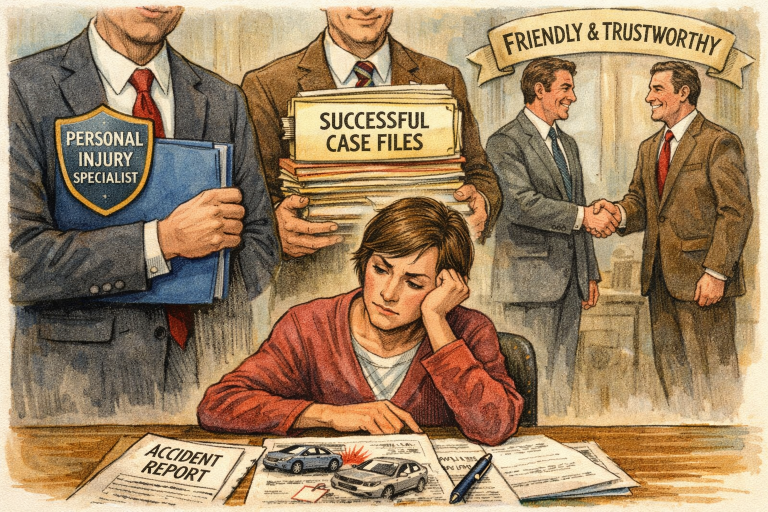

Find the right personal injury attorney for your case with expert tips on experience, fees, and results to secure the compensation you deserve.
- Understanding Personal Injury Law
- Importance of Specialization
- Evaluating Experience and Track Record
- Assessing Reputation and Client Reviews
- Communication and Personalized Service
- Fee Structures and Affordability
- Red Flags to Avoid
- Additional Tips for Selecting an Attorney
- Navigating Insurance Companies
- Preparing for Your Initial Consultation
- Final Thoughts
When you have experienced injury due to another party’s negligence, finding legal support is paramount. Selecting an attorney who truly understands your needs and the complexities of personal injury law can impact not just the outcome of your case but your entire recovery process. For those seeking a board-certified denied claim attorney, understanding what sets the most effective representatives apart is vital.
With an abundance of legal professionals advertising similar services, it can be difficult to discern the right fit for your unique circumstances. By learning how to identify specialized skills, a proven record, and strong client service, you give yourself the best chance at fair compensation and peace of mind during a challenging period.
This guide provides a structured approach to evaluating potential attorneys, ensuring you partner with someone who has your best interests at heart and the expertise to secure positive results. Empower yourself by reviewing what credentials, experience, and communication skills matter most in your personal injury attorney selection process.
Understanding Personal Injury Law
Personal injury law is the legal framework that protects individuals harmed by the wrongful or negligent actions of others. These cases often arise from incidents such as auto accidents, workplace injuries, slip-and-fall events, defective product claims, and medical malpractice. According to the Nolo Legal Encyclopedia, personal injury cases are civil disputes in which the main goal is to compensate the injured party for losses, rather than to punish the wrongdoer through criminal prosecution. J. Fine Law personal injury attorneys specialize in guiding clients through these complex cases, ensuring their rights are protected and pursuing maximum compensation for injuries and damages.
Comprehending the foundational concepts, such as liability and damages, helps clients have informed discussions with potential attorneys and improves their ability to make decisions throughout the claims process.
Importance of Specialization
Choosing an attorney with a primary focus on personal injury claims is essential for optimal case management. Specialized attorneys are up to date on changing statutes and procedural rules and are familiar with the tactics used by opposing insurance companies. They are better positioned to evaluate complex medical records, negotiate equitable settlements, and, when necessary, present cases compellingly in court.
Those who specialize in personal injury law also possess established networks of trusted medical experts and investigators, increasing the chances of building a robust claim grounded in evidence and expert testimony.
Evaluating Experience and Track Record
Examining a lawyer’s experience goes beyond asking about the years they have practiced. Key indicators of ability include both the number and types of cases successfully handled, and particularly whether those cases mirror your circumstances. An attorney’s willingness to go to trial signals a readiness to pursue every possible avenue for client justice, which can result in higher settlement offers from insurers poised to avoid courtroom battles.
- Trial Experience: Attorneys who prepare cases as though they will be tried in court often secure better outcomes. This approach ensures they gather compelling evidence and are ready to fight tenaciously for their clients.
- Success Rate: Consistent wins and favorable settlements in similar matters are real-world markers of legal acumen. Reputable lawyers will not hesitate to share case results or provide references.
Assessing Reputation and Client Reviews
Objective feedback from previous clients and industry peers is a powerful resource when evaluating attorneys. In addition to reading reviews on platforms, seek professional ratings and recognitions that affirm a lawyer’s credibility, such as those found through Martindale-Hubbell or Super Lawyers. Peer awards can provide assurance that the attorney commands respect within the local legal community and maintains a high ethical standard. Legal services are personal, and the best insight often comes from those who have walked in your shoes.
Communication and Personalized Service
Responsiveness and a personalized approach are distinguishing marks of an effective personal injury attorney. During initial consults, note whether the lawyer listens actively, answers questions thoroughly, and explains complex legal terminology in accessible language. This clarity fosters trust and encourages collaborative decision-making throughout your case.
Attorneys offering individualized service will maintain open lines of communication from day one. They often provide direct contact information, proactively update clients at every case milestone, and ensure you never feel overlooked or uninformed about your claim’s progress.
Fee Structures and Affordability
Nearly all reputable personal injury attorneys use contingency fee arrangements. This structure means that you pay no legal fees unless you recover compensation. It is important to review, in writing, what portion of the settlement the attorney will collect and clarify any additional costs for court filings or expert witnesses so that there are no surprises down the line. Transparency regarding financial terms is crucial for establishing trust and ensuring you remain comfortable throughout the process.
Red Flags to Avoid
- Guarantees of Specific Outcomes: Attorneys cannot ethically guarantee a specific settlement or verdict. Beware of those making such promises during consultations.
- Lack of Trial Experience: Lawyers who routinely advise their clients to settle early may do so because they are inexperienced or unconfident in the courtroom, which can impact your compensation.
- Poor Communication: Delayed responses, missed calls, or vague updates can all signal a lack of dedication to your case and should prompt you to look elsewhere for counsel.
Additional Tips for Selecting an Attorney
Beyond examining credentials and reviews, it can be helpful to meet with several attorneys before making your decision. Many offer free consultations, which give you the chance to assess compatibility and comfort without financial pressure. Bring any relevant documents, such as accident reports, medical records, or correspondence with insurance companies, to help the attorney evaluate your case’s merits.
During these meetings, pay attention to the attorney’s demeanor and level of professionalism. Do they show genuine concern for your situation, or do you feel rushed? A good lawyer should instill confidence, clearly explain your chances of success, and provide an honest evaluation of your options, even if that means advising you not to pursue a claim. Also, consider the support staff, paralegals, and administrative professionals often play a large role in case management and communication, so their responsiveness and courtesy are equally important.
Ask about the attorney’s approach to negotiation and litigation. Will they handle your case personally or delegate it to a less experienced associate? How often do they update clients, and what is their typical strategy for pushing settlement negotiations forward? These questions can reveal how invested the attorney is in client outcomes and whether they can adapt their strategy to different cases. Another key indicator of a law firm’s dedication is its willingness to work with you through every step, including complex appeals and post-settlement matters. Some firms continue to offer support to resolve outstanding medical bills or insurance issues after the case concludes, providing an invaluable service during the healing process.
Navigating Insurance Companies
Dealing with insurance adjusters is often one of the most difficult aspects of a personal injury claim. Insurance companies have teams of lawyers and adjusters whose primary goal is to minimize the payout on claims. An experienced personal injury attorney will act as your advocate, handling all communication with insurers and ensuring that you are not pressured into accepting an unfair settlement. Your lawyer will gather documentation, calculate the true value of your claim (including medical costs, lost wages, pain and suffering), and negotiate aggressively on your behalf to maximize your compensation.
Your attorney may also advise you on what statements or documents to provide, and can protect you from common pitfalls such as inadvertently admitting fault or underestimating the long-term impact of your injuries. Because personal injury law is complex and insurance policies are often dense and full of exclusions, having a legal expert to interpret and challenge the insurer’s assessments is invaluable for a successful claim.
Preparing for Your Initial Consultation
To get the most from your first meeting with a personal injury attorney, preparation is key. Gather all paperwork and evidence related to your accident, police reports, medical records, accident scene photos, witness contact information, and any communication with insurance companies. This will allow your attorney to offer a realistic assessment of your case right from the outset. Prepare a written timeline of events and a list of questions covering key concerns such as how your case will be managed, legal fees, expected timelines, and the potential challenges you may encounter.
An attorney will also use the consultation to gauge the strengths and weaknesses of your claim and to discuss realistic outcomes. It is your chance to assess the communication style and transparency of the attorney as well as learn about each stage of the legal process in your jurisdiction. Bringing along a trusted friend or family member can help you remember important details and provide emotional support, particularly in complicated or high-stakes cases.
Final Thoughts
Securing the right personal injury attorney can make a significant difference, not only in the compensation you might recover but also in your sense of support during a challenging time. Assess your options carefully, focusing on specialization, demonstrable success, client-centered communication, and transparent fee structures. By choosing wisely, you position yourself for a smoother claims process and ultimately, a fairer result for your injury case.