
Boating accidents can happen suddenly and leave victims facing serious injuries, property damage, and complicated insurance questions. Whether the crash involves another boat, a dock, or hazardous water conditions, determining who is responsible often requires a detailed investigation.
- What exactly happened during the accident?
- Where did the accident occur?
- Who was operating the boat?
- Were alcohol or drugs involved?
- Were there witnesses?
- Did law enforcement respond to the accident?
- What injuries did you suffer?
- What medical treatment have you received?
- Was there damage to the boat or other property?
- Have you spoken with an insurance company?
- The importance of early legal guidance
If you contact a personal injury attorney after a boating accident, one of the first steps will be a consultation where your lawyer asks a series of questions about what happened. These questions help the attorney evaluate liability, identify potential claims, and determine whether compensation may be available for medical bills, lost wages, and other damages.
Here are some of the most common questions a lawyer will ask after a boating accident.
What exactly happened during the accident?
Your attorney will begin by asking you to describe the accident in as much detail as possible. They will want to know the timeline of events leading up to the crash, including where the boat was located, how fast it was traveling, and what actions each operator took.
This information helps establish the circumstances surrounding the accident and whether negligence may have played a role. For example, boating accidents may involve reckless operation, distracted boating, excessive speed, or failure to follow navigation rules.
Where did the accident occur?
Location matters in boating accident cases. Your lawyer will ask whether the incident happened on a lake, river, canal, or coastal waters.
Different bodies of water may involve different jurisdictions, safety regulations, and enforcement agencies. For example, an accident on a local lake could involve state boating laws, while an incident on navigable waterways may also involve federal maritime regulations.
Providing the exact location helps your attorney determine which laws apply to the case.
Who was operating the boat?
Identifying the boat operator is a critical step in determining liability. Your lawyer will want to know who was driving the boat at the time of the accident and whether that person owned the vessel.
In some cases, the operator may have been inexperienced, under the influence of alcohol, or unfamiliar with the boat’s controls. If someone other than the owner was operating the vessel, additional liability questions may arise.
Were alcohol or drugs involved?
Boating under the influence is a leading cause of serious boating accidents. Your lawyer will likely ask whether anyone involved in the accident had been drinking or using drugs.
If law enforcement responded to the scene, they may have conducted sobriety tests or issued citations. Evidence of impairment can significantly strengthen a claim against the responsible party.
Were there witnesses?
Witness statements can be valuable when reconstructing a boating accident. Your lawyer may ask whether other boaters, passengers, marina staff, or bystanders saw what happened.
Witnesses may provide details that help clarify how the accident occurred and whether another operator acted negligently.
Did law enforcement respond to the accident?
In many cases, boating accidents are investigated by marine patrol officers, local police, or state environmental agencies. Your lawyer will ask whether an official accident report was filed.
These reports often include diagrams, officer observations, witness statements, and possible citations issued to boat operators. They can serve as important evidence in a legal claim.
What injuries did you suffer?
Your attorney will ask about any injuries resulting from the accident. This may include broken bones, head injuries, spinal injuries, lacerations, or internal trauma.
The lawyer will also want to know whether you sought medical treatment and what doctors have said about your condition. Medical records help establish the extent of your injuries and the potential value of a claim.
What medical treatment have you received?
Closely related to your injuries is the medical care you received. Your lawyer will ask whether you visited an emergency room, urgent care center, or specialist after the accident.
They may also ask about ongoing treatments such as physical therapy, surgery, or rehabilitation. This information helps estimate the long-term impact of the injury and any future medical costs.
Was there damage to the boat or other property?
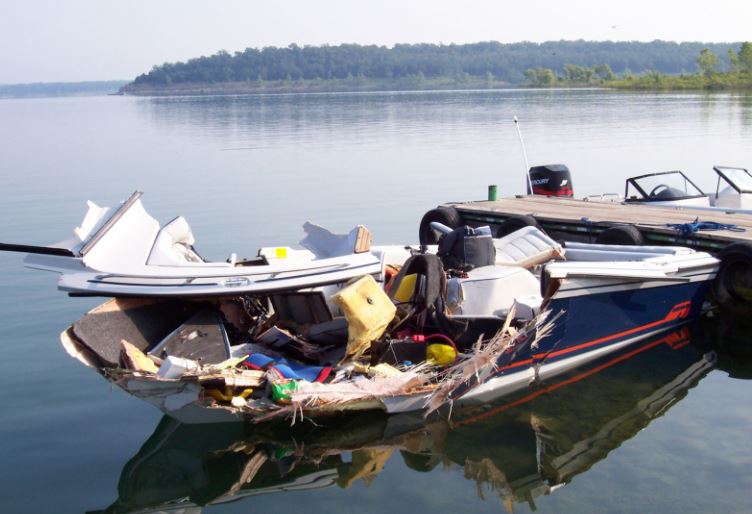
Property damage can also be part of a boating accident claim. Your lawyer will ask whether the boat was damaged, whether repairs were required, and whether other equipment was destroyed in the crash.
Photographs of the damage can be especially helpful in documenting the severity of the incident.
Have you spoken with an insurance company?
Insurance companies often contact accident victims shortly after an incident. Your attorney will ask whether you have spoken with an insurer, given a statement, or accepted any settlement offer.
It is generally recommended that victims avoid providing recorded statements or signing documents before speaking with a lawyer, as insurers may attempt to minimize payouts.
The importance of early legal guidance
The answers to these questions help attorneys evaluate the strength of a boating accident case and determine what evidence may still need to be collected. Investigations may involve reviewing accident reports, interviewing witnesses, analyzing navigation rules, and examining the condition of the vessels involved.
Because boating accident cases can involve complex liability questions and maritime regulations, seeking legal guidance early can help protect your rights and ensure that important evidence is preserved.
For individuals injured in boating accidents, understanding the legal process and the types of questions a lawyer may ask can help make the first consultation more productive and ensure that key details about the incident are documented from the start.