
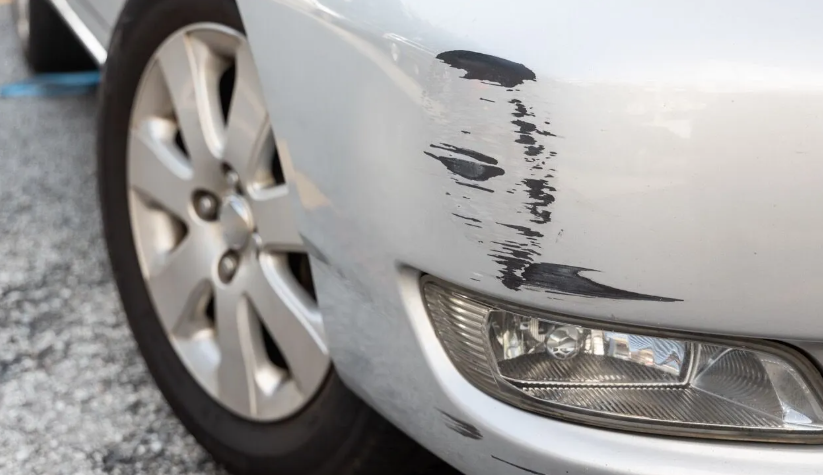

Minor car damage can still lead to serious injuries. Learn why even small crashes shouldn’t be ignored and when to seek medical or legal help.
- Human Bodies Absorb Force Differently Than Cars
- Soft Tissue Injuries Rarely Show Immediately
- Modern Safety Features Don’t Prevent All Injuries
- Low-Speed Impacts Can Still Affect the Spine
- Insurance Companies Often Focus on Vehicle Damage
- Delaying Treatment Can Make Injuries Worse
- Why Legal Perspective Matters in These Cases
- Photographs Don’t Tell the Whole Story
- Your Health Matters More Than the Car
- Minor Damage Does Not Mean Minor Injury
After a car accident, people often judge injury severity by looking at the vehicles involved. When damage appears minor, injured individuals may feel pressured to believe they “should be fine.” In reality, the visible condition of a vehicle does not reliably indicate the physical impact on the human body.
This article explains why serious injuries can occur even when vehicle damage seems minimal.
Human Bodies Absorb Force Differently Than Cars
Modern vehicles are designed to absorb impact through crumple zones, bumpers, and frames. While this reduces vehicle damage, it does not eliminate the force transferred to occupants.
Sudden acceleration and deceleration place stress on:
- Neck and spine
- Soft tissues
- Joints
- Internal organs
Even low-speed collisions can generate harmful forces.
Soft Tissue Injuries Rarely Show Immediately
Whiplash and other soft tissue injuries often do not produce visible signs right away. Pain and stiffness may increase over several days as inflammation develops.
Because these injuries are internal, vehicle appearance provides no reliable clue to severity.
Modern Safety Features Don’t Prevent All Injuries
Seatbelts and airbags save lives, but they cannot prevent all injuries. In some cases, they contribute to:
- Shoulder or chest injuries
- Airbag-related abrasions
- Seatbelt bruising
- Joint strain
Safety systems reduce risk—but they do not eliminate it.
Low-Speed Impacts Can Still Affect the Spine
Even impacts under 10–15 miles per hour can cause spinal strain due to sudden motion. The neck and lower back are especially vulnerable to rapid movement.
Biomechanics—not speed alone—determine injury potential.
Insurance Companies Often Focus on Vehicle Damage
Insurers frequently argue that minimal damage equals minimal injury. This assumption is not supported by medical science, yet it is commonly used to question claims.
Medical evaluation—not visual inspection—determines injury severity.
Delaying Treatment Can Make Injuries Worse
When people assume they are uninjured because damage is minor, they may delay medical care. This can:
- Prolong recovery
- Worsen inflammation
- Complicate diagnosis
- Weaken documentation
Early evaluation helps protect both health and records.
Why Legal Perspective Matters in These Cases
Claims involving minimal vehicle damage often face skepticism. Consulting a Personal Injury Attorney helps ensure injuries are evaluated based on medical facts rather than assumptions about vehicle appearance, allowing claims to be assessed fairly.
Legal context supports medical reality.
Photographs Don’t Tell the Whole Story
Photos of vehicles capture metal and paint—not pain, stiffness, or nerve damage. Injuries require medical diagnosis, not visual guesswork.
Understanding this distinction is critical.
Your Health Matters More Than the Car
Vehicle repair estimates fade from memory, but untreated injuries can last for years. Judging recovery based on car damage risks ignoring serious physical harm.
Listening to your body is more important than appearances.
Minor Damage Does Not Mean Minor Injury
Accidents affect people differently than machines. Even when a car looks fine, the body may not be.
With prompt medical care and guidance from a trusted Personal Injury Attorney, injured individuals can ensure their injuries are taken seriously—based on evidence and health, not assumptions.