
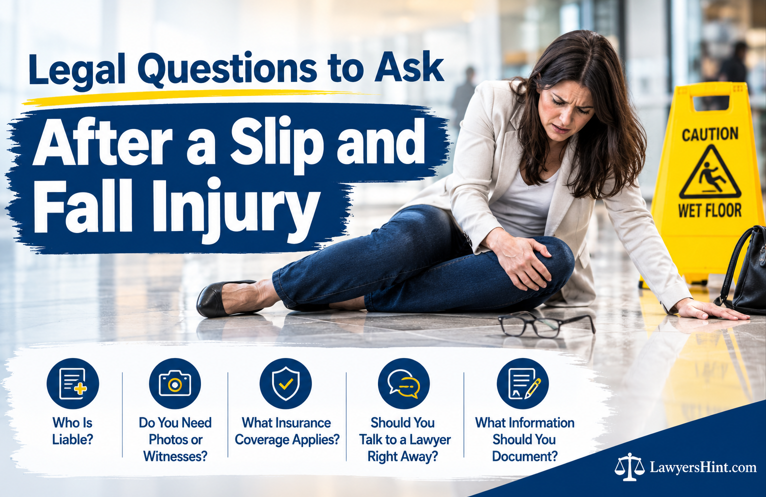

For people dealing with the aftermath of a slip and fall in Buffalo, the legal side of an injury can raise difficult questions while medical care and daily responsibilities already demand attention. Determining whether a property owner or another party may be responsible often depends on details that are easy to overlook in the days after an accident. A Buffalo slip and fall attorney can help an injured person understand what evidence matters, who may be responsible, and which legal issues should be addressed before pursuing a claim. Clear early guidance can make it easier to protect important information and make informed decisions about what comes next.
Questions to Ask After a Slip and Fall
1. What caused the fall?
The exact hazard often determines whether a legal claim exists. Common examples include wet floors, spilled substances, snow or ice, broken pavement, loose rugs, poor lighting, damaged stairs, and missing handrails. The injured person should describe the condition as soon as possible. Photographs, clothing, shoes, surveillance footage, incident reports, and witness statements can help establish the cause of the accident. A property owner could repair or remove the hazard soon afterward, so prompt documentation matters.
Anyone who witnessed the fall should provide contact information. Employees, maintenance workers, security personnel, and other visitors could also know how long the condition existed. A Buffalo resident should discuss these facts with Steve Foley Law Firm Slip and Fall Attorneys after receiving medical care.
2. Who controlled the property?
The property owner is not always the only potentially responsible party. A tenant, store operator, property manager, snow-removal contractor, or maintenance company may have controlled the area where the accident occurred.
Identifying the responsible party requires examining the property, lease arrangements, maintenance duties, and accident location. A claim against the wrong party can delay the case and create problems before the filing deadline.
A legal review can identify who controlled the property, which evidence should be preserved, and which parties should receive notice of the claim.
3. Did the responsible party know about the hazard?
New York slip and fall cases generally require proof of negligence. A property owner or occupier must keep the premises reasonably safe for lawful visitors.
The injured person must show that the responsible party created the dangerous condition, knew about it, or should have discovered it through reasonable inspections. Actual notice means someone knew about the hazard. Constructive notice means the condition existed long enough that reasonable care should have revealed it.
The hazard’s timing often matters. An employee who ignored a spill for an extended period presents different evidence than a substance that appeared moments before the accident.
4. What evidence supports the claim?
Evidence should answer four questions: What happened, where did it happen, who controlled the area, and what losses followed?
Photographs should show the hazard, nearby signs, lighting, floor layout, and warning markers. Medical records can connect the injury to the accident, while pay records can document missed work or reduced earnings.
The injured person should keep medical bills, pharmacy receipts, transportation costs, repair invoices, and correspondence with insurers. Social media posts and recorded statements can also affect a claim, so do not discuss accident details publicly.
5. What losses resulted from the fall?
A claim can include more than emergency treatment. Recoverable losses can include medical expenses, future medical care, rehabilitation, therapy, lost wages, reduced earning capacity, pain and suffering, permanent disability, scarring, and necessary home or vehicle modifications.
The value of a claim depends on the injury, treatment, recovery outlook, work impact, and available proof. A complete record gives insurers and courts a clearer view of the accident’s financial and personal effects.
6. What deadline applies?
Most New York personal injury lawsuits must be filed within three years of the accident under N.Y. C.P.L.R. § 214. Government defendants often involve shorter deadlines, with a formal claim commonly required within 90 days.
Those deadlines can change based on the defendant and the circumstances. Waiting also gives surveillance footage time to disappear, allows witnesses to forget details, and lets dangerous conditions go unrepaired. You should seek legal advice soon after the accident.
7. How will legal fees work?
Many injury firms handle qualifying slip-and-fall cases on a contingency fee basis. Under that arrangement, the client does not pay attorney fees upfront, and the firm receives a fee only if it obtains compensation through a settlement or court verdict.
The agreement should explain the fee percentage, case expenses, and the client’s responsibilities. Reviewing those terms early prevents confusion during settlement discussions or litigation.
Conclusion
After a slip and fall, the injured person should photograph the condition, report the accident, seek medical care, preserve records, and avoid discussing fault with an insurer. Next, identify the property controller and confirm the filing deadline, especially if a government entity is involved. A prompt consultation with a Buffalo slip and fall attorney can protect evidence, clarify legal options, and prevent a missed deadline from ending a valid claim.