
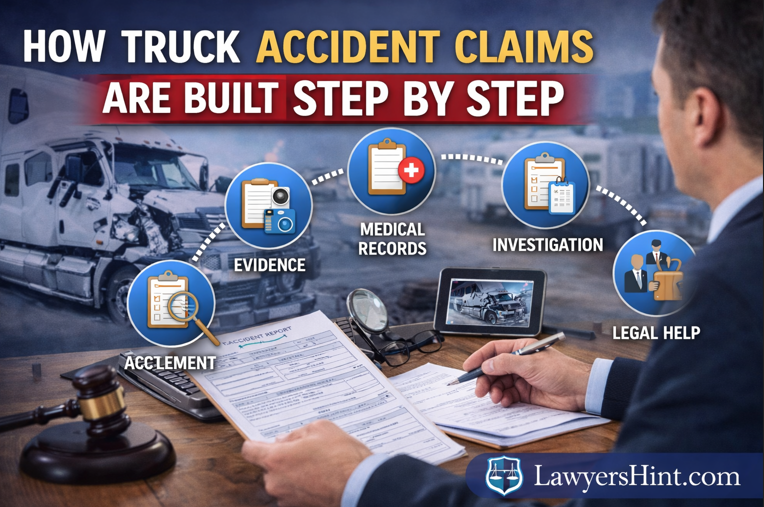

Truck accident claims involve complex liability, evidence, and insurance factors that impact compensation and legal outcomes for victims.
In Kansas City, where major highways and freight routes keep commerce flowing day and night, large trucks are an everyday presence on the road. While they support the city’s economic momentum, collisions involving these vehicles can leave individuals facing serious injuries, financial strain, and uncertainty about what comes next.
For those affected, understanding how a truck accident claim takes shape is an important part of regaining control after a traumatic event. Building a strong case requires more than a single report or statement, it’s a layered process that unfolds over time, with each step contributing to a clearer picture of responsibility and loss.
From the earliest moments after a crash to the final resolution, every decision matters. With guidance from experienced teams like Kevin McManus Law: Kansas City Personal Injury & Accident Lawyers, individuals can approach this process with greater confidence and clarity.
Immediate Actions After the Collision
What happens in the moments after a truck accident is crucial. First and foremost, the safety of everyone comes first. After calling emergency services and treating any injuries, the next step is for anyone involved to exchange essential details. This includes the names, addresses, and phone numbers of drivers, passengers, and any witnesses at the scene. Pictures of the vehicles, the road, and other visible injuries can be used to back up the claim later.
Notifying the Authorities
Another key aspect of an accident after it occurs is law enforcement. An arrest report is an objective account of the experience. They play a critical role in the claim process, as these documents are, more often than not, integral to it. These formal records will also include statements from drivers and witnesses.
Seeking Medical Attention
Never ignore a seemingly minor injury; get a medical evaluation as soon as possible. In some cases, the symptoms do not occur until many hours or days later. Medical records are typically necessary to establish this connection between injuries and the accident. All this—doctors’ notes, test results, and prescriptions—goes into a file. Such detailed documentation will serve as a guide to claim all your injuries.
Preserving Evidence and Documentation
Every piece of evidence helps strengthen a truck accident claim. If at all possible, do not change the state of any personal property, vehicle pieces, or clothing that were damaged. The value of the claim is substantiated by receipts for repair work, towing, and medical bills. Photographs and written statements to offer added credibility from witnesses.
Contacting Insurance Providers
Timely correspondence of details with insurance agencies initiates the claim procedure. By providing a narrative description of what transpired and the supporting documentation collected, the narrative assists adjusters in determining culpability and assessing damages. During these conversations, policyholders must refrain from accepting blame or making assumptions. As the investigation develops, insurers may seek more documents.
Consulting Legal Professionals
The laws and the insurance policies involved in truck accident cases are complicated. Legal professionals will help to understand rights or other possible courses of action. With an experienced attorney, he will analyze the evidence, guide on subsequent steps, and deal with the insurers on behalf of the injured victim. A legal counsel may help you to win the case.
Investigating the Accident Thoroughly
Investigation reveals reasons for the collision. Proficient specialists could examine vehicle condition, driver records, traffic camera footage, or citizenship. Truck black box data can provide speed, braking, and more. This other phase must relate to the roadway design, weather, and visibility. Every detail helps establish responsibility.
Calculating Damages and Losses
Calculating damages is more than just adding up medical bills. Standard compensation for lost wages, prospective treatment, and emotional distress will also be part of the calculation. Both economic and non-economic damages are considered. An expert may be utilized to calculate future care needs or lost earning potential. A justified claim shows the real situation of the losses.
Negotiating with Insurance Companies
Often, negotiations proceed from a submitted demand package. After reviewing the evidence, an insurance company representative will often present a settlement offer. With Counsel, claimants consider the fairness of the proposal. The seller may counter, or you may go back and forth with offers until you find a middle ground. Most cases settle at this stage, during negotiations.
Conclusion
A truck accident claim ends when both parties reach an agreement or a court issues a verdict. The money awarded is used to pay settlement payments and outstanding bills. This will hopefully allow those who were harmed to move on to healing and rebuilding their life. With every step, performed with intentionality and care, claimants come one step closer to closure and justice.