

Discovering mold can be alarming and stressful for homeowners and renters alike, as it poses risks to both health and property. Recognizing and addressing mold issues promptly is crucial to minimizing damage and safeguarding your well-being. For Kansas residents dealing with mold-related health issues or landlord disputes, consulting a Kansas mold injury lawyer at Mold Law King can help you understand your legal options and protect your rights.
Mold growth thrives in environments that combine warmth, moisture, and organic material. Factors such as plumbing leaks, poor ventilation, and flooding can drastically increase the risk. Understanding how to identify, address, and ultimately prevent mold is essential for keeping your home safe.
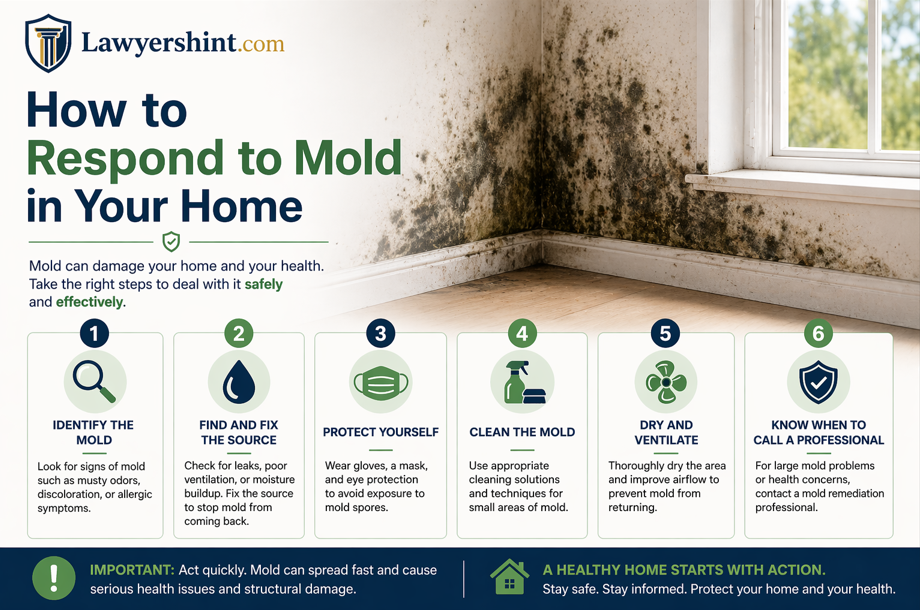
Identifying Mold in Your Home
Begin your inspection in areas with the highest humidity and moisture, such as bathrooms, basements, and kitchens. Mold may appear as green, black, gray, or even white fuzzy patches, with a texture that can be slimy or powdery. Musty odors that linger, especially after heavy rainfall or water spills, are a strong indicator of hidden growth. Early identification and intervention are critical to minimize the spread and damage.
Check behind furniture, under carpets, and within cupboards or closets for any subtle discoloration or unusual odors. For hard-to-reach areas, consider professional assistance to prevent unintentional disturbance and spread of spores.
Health Risks Associated with Mold
Exposure to indoor mold can impact anyone, though young children, seniors, and people with asthma or immune challenges are most at risk. Immediate symptoms of mold exposure may include persistent sneezing, coughing, itchy or watery eyes, headaches, and skin irritation. With chronic exposure, respiratory conditions such as asthma or bronchitis can worsen, and more severe complications may develop. The U.S. Environmental Protection Agency confirms that it exposure can trigger allergic reactions and respiratory symptoms in sensitive individuals.
Immediate Steps Upon Discovering Mold
If you notice mold, identify and address the moisture source immediately, such as a leaking pipe or poor window sealing. Stop water intrusion to slow mold growth. Minimize airflow from fans or heating and air systems in the affected area to prevent mold spores from traveling throughout the home. Seal off the contaminated room by closing doors and covering vents. If you are sensitive to allergens or have respiratory conditions, avoid spending time in the affected areas until it is removed.
Cleaning and Removing Mold
For small-scale growth, basic cleaning supplies can be effective. Use soap and water or undiluted white vinegar to scrub moldy surfaces. Avoid bleach whenever possible, as its fumes can irritate the lungs and it is less effective on porous materials. During cleaning, wear gloves, non-vented goggles, and an N95 respirator to minimize contact with spores. After cleaning, discard used sponges or rags in sealed plastic bags, and launder contaminated clothing separately. If mold is deeply embedded in drywall, carpet, or insulation, remove and replace the affected material.
If the affected area exceeds 10 square feet, or if you suspect hidden growth within walls or beneath flooring, consult specialized mold remediation professionals for safe and effective removal.
Preventing Future Mold Growth
Prevention is the most effective way to protect your home. Keep humidity levels below 50 percent through dehumidifiers or air conditioners, especially in basements and laundry rooms. Kitchens and bathrooms should have exhaust fans or windows that can be opened to improve airflow. Repair leaks as soon as possible and dry water-damaged areas within 24 to 48 hours. Controlling indoor moisture is widely recognized as the most important factor in preventing mold growth.
When to Call Professionals
Contact mold remediation experts if you find large patches of mold, if the growth returns after cleaning, or if mold is on HVAC systems, in wall cavities, or under floors. Symptoms such as persistent coughing, nosebleeds, or skin irritation that begin after discovering mold may also warrant professional health and remediation advice.
Legal Rights for Kansas Homeowners and Tenants
Kansas law places important responsibilities on landlords to maintain rental properties in habitable condition. Under the Kansas Residential Landlord and Tenant Act (K.S.A. § 58-2553), landlords are required to maintain the premises in a fit and habitable condition and to keep common areas safe. [3] While Kansas does not have a specific mold statute, mold conditions resulting from unrepaired leaks, water damage, or ventilation failures may constitute a breach of the landlord’s habitability obligations.
Tenants who discover mold should notify their landlord in writing and request remediation. If the landlord fails to address the issue within a reasonable timeframe, tenants may have legal grounds to pursue damages for health effects, property damage, or relocation costs. Kansas has a two-year statute of limitations for personal injury claims, including mold-related health claims, that runs from the date the injury is discovered.
Homeowners may also have claims against builders, contractors, or previous sellers who concealed or failed to disclose mold issues. For both homeowners and tenants in Kansas, a Kansas mold injury lawyer at Mold Law King can evaluate your situation, explain your legal options, and help you pursue appropriate remedies.
Final Thoughts
Mold is a common but manageable threat. Timely identification, effective cleaning, and routine prevention measures will considerably reduce the risks mold poses to health and property. Understanding your legal rights in Kansas empowers you to hold responsible parties accountable when it exposure causes harm. By practicing regular maintenance and seeking expert help for larger problems, you can ensure your home remains safe and mold-free.
References
- U.S. Environmental Protection Agency (EPA). What Are Molds? https://www.epa.gov/mold/what-are-molds
- Harvard Health Publishing. Mold in the Home: Identifying and Treating the Issue. https://www.health.harvard.edu/healthy-aging-and-longevity/mold-in-the-home-identifying-and-treating-the-issue-to-prevent-health-problems
- Kansas Legislature. Kansas Residential Landlord and Tenant Act, K.S.A. § 58-2553. https://www.kslegislature.org/li/b2023_24/statute/058_000_0000_chapter/058_025_0000_article/058_025_0053_section/058_025_0053_k/