

Experiencing an accident can be overwhelming, but taking the right steps immediately afterward can significantly impact your ability to secure fair compensation. Consulting a personal injury attorney is crucial in navigating the complexities of accident claims. Ahlander Injury Law, based in Las Vegas, Nevada, specializes in personal injury cases, offering expert guidance to ensure your rights are protected and you receive the compensation you deserve.
- Seek Immediate Medical Attention
- Document the Accident Scene
- Report the Accident to Law Enforcement
- Exchange Information Without Admitting Fault
- Notify Your Insurance Company Promptly
- Consult a Personal Injury Attorney
- Keep Detailed Records
- Be Cautious with Social Media
- Understand Your Legal Time Limits
- Follow Up with Ongoing Medical Care
- Do Not Rush to Settle Your Claim
- Understand the Role of Comparative Fault
- Seek Emotional and Psychological Support
- Preserve All Evidence
- Cooperate with Your Attorney
- Know What Damages You Can Claim
- Stay Informed About Your Case
- Don’t Ignore Minor Injuries
- Protect Yourself from Unsolicited Offers
- Final Thoughts
Seek Immediate Medical Attention
Even if you feel fine, it’s crucial to see a doctor as soon as possible after an accident. Injuries like concussions or internal damage may not be immediately apparent. Prompt medical evaluation not only ensures your well-being but also creates a record of your injuries, which is vital for any future claims.
Document the Accident Scene
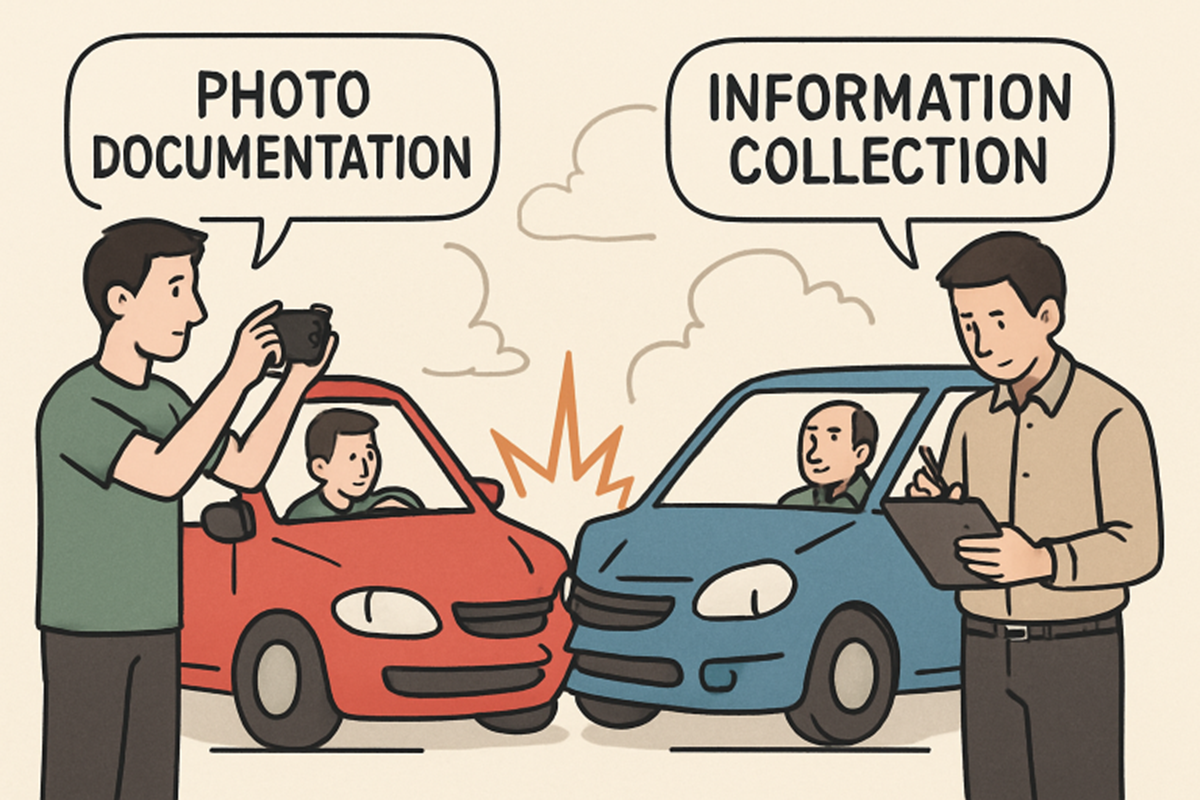
Use your smartphone to take comprehensive photos of the accident scene, including vehicle damage, road conditions, traffic signs, and any visible injuries. Collect contact information from witnesses, as their statements can be invaluable if liability is disputed.
Report the Accident to Law Enforcement
Always report the accident to the police, regardless of its severity. An official police report provides an unbiased account of the incident, which can be crucial when dealing with insurance companies or legal proceedings.
Exchange Information Without Admitting Fault
Politely exchange names, contact details, driver’s license numbers, and insurance information with all parties involved. Avoid discussing fault or making statements that could be interpreted as an admission of liability.
Notify Your Insurance Company Promptly
Inform your insurance provider about the accident as soon as possible. Provide factual information without speculating about fault or the extent of injuries. Be cautious about giving recorded statements without legal advice.
Consult a Personal Injury Attorney
Engaging a personal injury attorney can help you navigate the complexities of accident claims. For instance, Ahlander Injury Law, a reputable firm specializing in personal injury cases, offers expert guidance to ensure your rights are protected and that you receive fair compensation.
Keep Detailed Records
Maintain a file with all accident-related documents, including medical bills, repair estimates, police reports, and any correspondence with insurance companies. Organized records can strengthen your case during negotiations or legal proceedings.
Be Cautious with Social Media
Avoid posting about the accident or your injuries on social media platforms. Insurance companies may monitor your accounts, and any posts could be used to undermine your claim.
Understand Your Legal Time Limits
Be aware of the statute of limitations for filing personal injury claims in your state. Missing these deadlines can forfeit your right to seek compensation. Consulting with an attorney can help you stay informed about these critical timelines.
By following these steps, you can effectively protect your rights and improve your chances of receiving the compensation you deserve after an accident.
Follow Up with Ongoing Medical Care
It’s important to follow all recommendations from your healthcare provider, including attending follow-up appointments, taking prescribed medications, and participating in physical therapy if needed. Consistent medical care not only supports your recovery but also substantiates your injuries, showing insurance companies the seriousness of your condition.
Do Not Rush to Settle Your Claim
Insurance companies may offer quick settlements soon after the accident, often before the full extent of your injuries is known. Resist the urge to accept these offers. Medical complications might develop later, and a premature settlement could leave you responsible for future expenses. Consulting with your attorney before signing any agreement ensures your long-term interests are protected.
Understand the Role of Comparative Fault
Many states, including Nevada, operate under comparative negligence laws, which means your compensation could be reduced if you are partially at fault for the accident. Knowing how these laws apply to your case is vital. Even if you believe you are partially responsible, you may still be eligible for compensation. Your attorney can help assess your degree of fault and advocate for your best interests during negotiations.
Seek Emotional and Psychological Support
The aftermath of an accident isn’t just physical—emotional trauma, anxiety, depression, and PTSD are common, especially after serious accidents. Don’t hesitate to seek counseling or mental health services. These records can also support your claim if you are seeking damages for emotional distress as part of your personal injury case.
Preserve All Evidence
Do not repair or dispose of anything that could be important evidence in your case until your attorney advises it is safe to do so. This includes damaged vehicles, defective products, or torn clothing. Preserving physical evidence can help support your claim when establishing liability.
Cooperate with Your Attorney
Communication with your attorney is crucial. Be honest and thorough when discussing your accident, injuries, and any related medical history. Provide your attorney with all requested documents and promptly inform them of any changes in your medical condition or life circumstances. Your cooperation allows your attorney to build the strongest case possible.
Know What Damages You Can Claim
Depending on the circumstances, you may be entitled to recover various types of damages, including:
- Medical expenses (current and future)
- Lost wages and loss of future earning capacity
- Pain and suffering
- Emotional distress
- Property damage
- Loss of enjoyment of life
- Out-of-pocket expenses
Your attorney will help you identify and document all possible damages to ensure your compensation is complete.
Stay Informed About Your Case
Ask questions and request updates from your attorney throughout the process. Understanding the progress of your claim can give you peace of mind and help manage your expectations. If your case proceeds to trial, being familiar with the steps and potential outcomes helps you prepare for every possibility.
Don’t Ignore Minor Injuries
Even minor injuries should be reported to your doctor and documented appropriately. Seemingly negligible issues can develop into more significant health problems later. Insurance companies often look for gaps in treatment or delayed injury reports to devalue your claim, so timely and consistent documentation is essential.
Protect Yourself from Unsolicited Offers
Do not respond to unsolicited calls or messages from the other party’s insurance provider, even if they seem friendly or helpful. Anything you say could be used to challenge your claim. Instead, direct all inquiries to your attorney, who will handle all communications and safeguard your interests.
Final Thoughts
The steps you take immediately following an accident and throughout your recovery can have a significant effect on your future. Keeping organized, protecting your privacy, and entrusting your case to experienced legal professionals like Ahlander Injury Law will put you in the best position to recover both physically and financially. Remember, the road to recovery begins with diligently protecting your rights at every stage after an accident.