

Pedestrian accidents are challenging for anyone. But elderly people face increased risks: slower recovery, medical complications, and more complex claims. Caregivers and families should remain patient and diligent to secure proper care and fair compensation. This blog examines the unique issues seniors encounter in pedestrian accidents.
1. Understanding the Physical Vulnerabilities of Older Pedestrians
The human body undergoes a number of changes that naturally occur with age, and these have a direct impact on how seniors are affected in pedestrian accidents. Bone density also reduces. This increases the likelihood of fractures even from a collision that might cause bruises in a younger individual. The skin becomes more fragile, making seniors more prone to serious cuts and slow-healing wounds. Seniors often have health conditions that make treatment more difficult and recovery slower. What may seem a mild trauma to a younger individual can prove life-changing to an older individual.
These physical realities mean that an even greater urgency for medical care is important for older accident victims. It is important that families demand thorough investigations, even if the elderly person seems fine. Signs of injury usually appear days after the accident. Medical documentation can directly link injuries to the accident. Pedestrian accident injury statistics show that adults over sixty-five make up a large share of pedestrian fatalities. Ultimately, age transforms a minor bump into a major crisis.
2. Navigating Immediate Aftermath and Medical Considerations
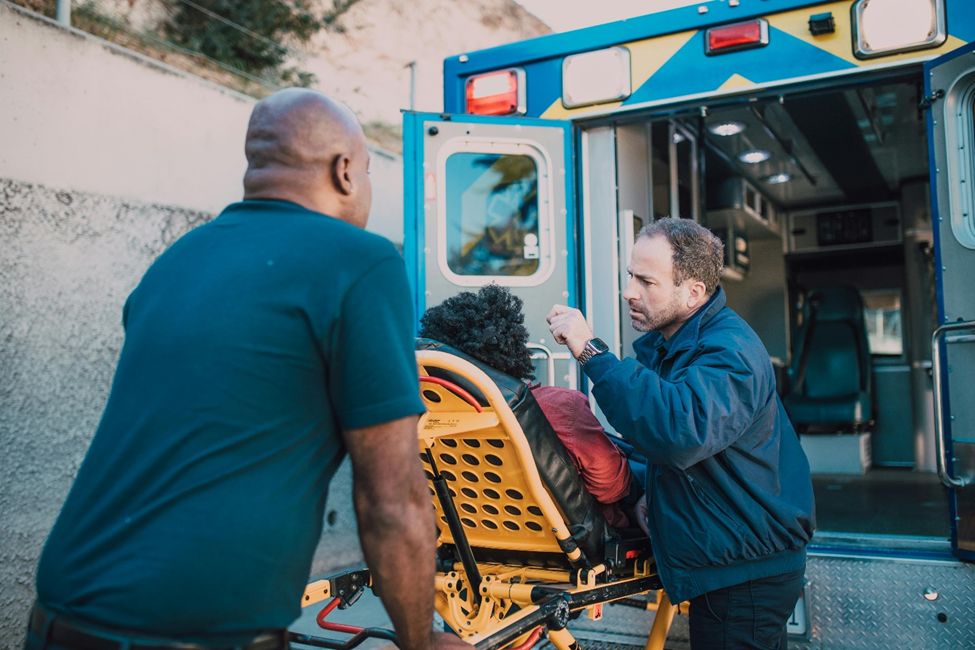
The first focus is to stabilize their health and secure evidence to support possible claims when a senior is involved in a pedestrian accident. Emergency responders should be called even for minor accidents. Their evaluation provides official documentation of the situation and the victim’s initial state. The family members/witnesses should take photographs of the arena, any apparent injuries, and environmental conditions. These photos are important evidence showing who was at fault.
Older adults may need specialized medical care beyond emergency care. Geriatric specialists understand how medications interact. They also recognize how existing conditions affect healing and the realistic timelines older adults face in rehabilitation. Post-incident care may include physical and occupational therapy. It can also require continued observation for complications that develop weeks after the initial event. Families must keep comprehensive documentation of every medical appointment, prescription, and care advice. This documentation serves two roles. It ensures the senior receives appropriate care and provides a detailed account of accident-related costs and impacts for insurance claims or legal actions.
3. Legal and Financial Considerations Unique to Senior Victims
Accidents involving elderly individuals frequently result in expenses that go well beyond just immediate healthcare costs. The financial impact of long-term care requirements, changes in living arrangements, and loss of independence must be included in any settlement or claim. An older adult who previously lived independently might need home assistance or supportive housing following an accident. These costs accumulate over time and have to be factored into compensation evaluations. The reduced quality of life, suffering, and the emotional effects of lost mobility should also be acknowledged in any agreement.
Deadlines for submitting claims differ by region. But delays can be particularly harmful for senior citizens. Witness memories fade, evidence weakens, and the victim’s condition may decline. Families should consult legal professionals experienced in elder cases once the senior’s health has stabilized. These lawyers can assess long‑term care needs and present the full range of damages. They can deal with insurance companies that might try to downplay claims by linking health problems to pre-existing conditions. The point is to obtain compensation that effectively meets both present demands and future needs resulting from the incident.
Endnote
Pedestrian accidents for elderly individuals require special care. Recovery takes longer, medical needs often extend beyond emergency treatment, and compensation claims cover extended periods of damage. With patience, documentation, and proper guidance, families can secure both the care and compensation seniors deserve.