
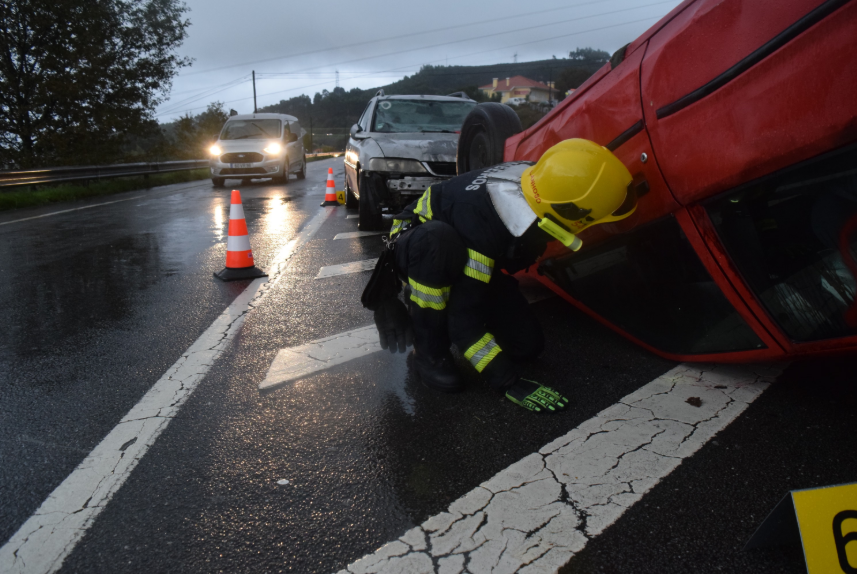

Car accidents can be stressful regardless of where they happen. However, they can be even more complicated when they happen abroad. You may have to deal with unfamiliar traffic regulations, a different language, local insurance, and more.
Whether you are on a business trip or a holiday, knowing how to tackle the situation will help you remain safe financially and legally. Although every country has its own regulations regarding car accidents, following certain steps can make things easier. This article highlights some tips for handling a car accident in a foreign country.
Prioritize Safety
The first moments that follow an accident are critical. Before thinking about documents or taking the insurance details, ensure that the people involved are safe. If you feel that it is safe to do so, try to move your car away from the road to avoid another accident.
Make sure to turn on the hazard lights and check if everyone is fine. Even if no one seems injured, the shock of the accident can mask pain, and some injuries will manifest later. If there are injuries or you are not sure, call the emergency services and wait for the experts to assist you.
Notify the Police about the Accident
In some countries, the police are legally required to attend the scene of an accident even if it appears minor. It is, therefore, important for travelers to always notify the proper authorities after an accident.
An official report can provide an unbiased account of what happened. It is important to talk to the police and be honest when asked for information. Do not speculate about the causes of the accident. You should ask the police how to get a copy of the report before leaving.
Document Everything You Can
If you want to protect yourself, make sure to collect as much evidence as possible at the accident scene. Here are some important things to do:
- Take photographs of each car involved in the accident from different angles.
- Capture any visible damage caused by the accident.
- Document the road and weather conditions.
Be sure to exchange your contact details, driver’s licences, insurance information, and vehicle registration information with the other driver. It is essential to record the names and contact information of any witnesses present at the time of the accident, as their statements can be beneficial.
Do Not Apologize or Admit Fault
Apologizing for an accident comes naturally, even if it is just showing sympathy for the other parties involved. However, avoid admitting fault before all relevant facts have been ascertained.
Statements made at the scene may affect how insurance companies assess your claim and could reduce the compensation you receive. Instead, your focus should be on sharing relevant information with the relevant authorities. These authorities are better placed to find the truth.
Contact a Lawyer When Things Get Complex
International travel accidents typically involve legal systems that differ from those at home. If you suffer serious injuries, find yourself battling an insurance company, or if liability is unclear, seeking advice from a qualified attorney may be necessary.
If your trip involves the United States, or you’re a U.S. resident dealing with the aftermath of an overseas accident, speaking with a knowledgeable Albuquerque car accident lawyer can help clarify your rights and determine how international insurance laws may affect your case.
Endnote
Even though being involved in an accident abroad is never part of anyone’s travel plans, knowing what to do can lessen the burden at the time. Following these tips and taking thoughtful, informed steps after an accident can help you navigate unfamiliar systems with confidence.