
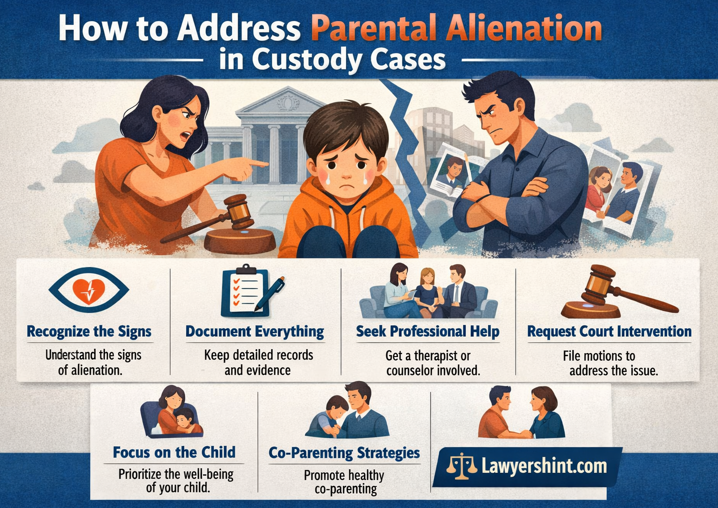

Parental alienation is the process of one parent influencing a child to reject or fear their other parent. It most often happens during or after separation or divorce and can have severe consequences for legal proceedings and the child’s well-being.
Addressing parental alienation is crucial for helping a child maintain a balanced and healthy relationship with both of their parents and ensuring fair legal outcomes for all. If you’re currently addressing this very issue, the following information may help you work toward a resolution:
Identifying Parental Alienation
While punishment for parental alienation is rare, it can happen in severe cases where a parent has severely undermined a child’s relationship with their other parent and gone against legal orders in place.
Parental behavior can include limiting contact, badmouthing, creating false narratives, and encouraging the child to feel conflicted about their loyalties. It’s distinctly different from when a child resists a parent due to abuse or neglect. Parental alienation can also be obvious in children, with common characteristics being:
- A child expressing unjustified, strong negativity toward one parent
- Automatic support for their favored parent
- A lack of guilt over how they treat their rejected parent
- Repeated accusations or phrases that seem coached
The Psychological Impact of Parental Alienation
The impact of parental alienation isn’t just about possible legal repercussions and hurt for the parent being rejected. There can be serious psychological consequences for the involved child, as well.
According to studies involving adults who were once children affected by parental alienation, there were four broad themes identified across many participants: mental health difficulties, addiction and substance abuse, emotional pain, and coping and resilience. Children can experience anxiety, low self-esteem, depression, and difficulty forming healthy relationships later in life. They can also form distorted beliefs about their alienated parents.
The Legal Approach to Parental Alienation
Family law systems across several jurisdictions recognize that parental alienation is a serious concern. It’s not always explicitly defined, but it comes under the broader principle of the “best interests of the child”. When determining an outcome from such behavior, a judge may evaluate:
- The willingness of each parent to support the child’s relationship with the other parent
- Evidence of interference and manipulation
- The preferences of the child, while weighing them against their maturity and potential influence
Custody evaluators, such as social workers and psychologists, may also become involved to assess family dynamics and provide recommendations to the court. Their findings can influence the interventions put in place and parenting plans. During legal proceedings for custody disputes, experienced lawyers regularly say that documentation can be crucial for bringing a case to a successful conclusion, including:
- Communication records, such as messages and emails
- Journal entries discussing concerning behavior or missed visits
- Reports from therapists, counselors, and teachers
How to Resolve Cases of Parental Alienation
There’s no denying that resolving cases of parental alienation is no easy task. However, there are two common strategies: mediation and therapeutic interventions, as well as legal actions and court orders.
Mediation and therapeutic interventions are generally the best starting point. They can help parents focus on their child’s well-being, rather than themselves. Courts may also recommend parenting coordination as a tool where a neutral third party helps manage conflicts and enforce agreements. When parents can’t cooperate, and there doesn’t appear to be an end in sight, courts may intervene with legal measures, such as:
- Modified custody agreements
- Enforced, court-ordered visitation
- Mandated parenting programs or counseling
In severe cases, due to how damaging parental alienation can be, punishment for parental alienation can involve primary custody being transferred to the alienated parent.
Multiple parties can be involved in bringing a case of parental alienation to a successful conclusion, including mental health experts, legal professionals, and cooperative parents. Early recognition, proper documentation, and a focus on the child’s best interests can go a long way toward resolving such a complex situation.