
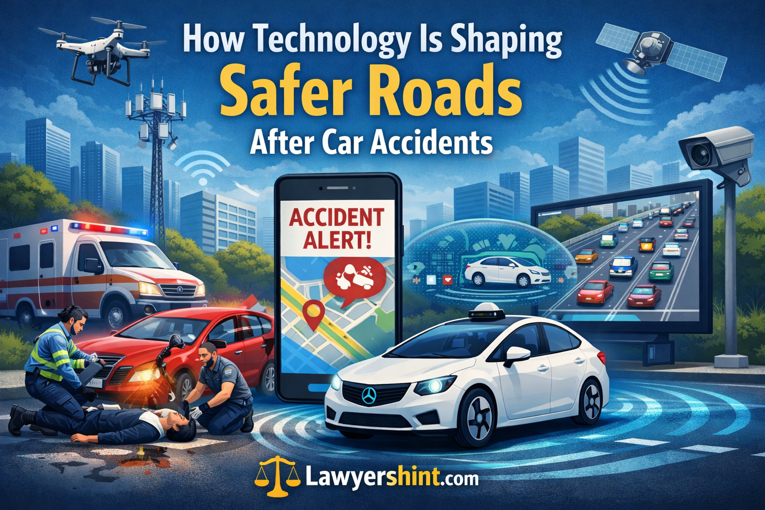

How technology is shaping safer roads after car accidents, improving response times, enhancing vehicle safety, and reducing risks for drivers everywhere.
Advancements in technology are revolutionizing road safety, aiming to reduce accidents and enhance post-accident responses. This article explores how innovations are making our roads safer and improving outcomes after collisions. For individuals affected by car accidents, seeking legal assistance is crucial. Consulting a Richmond car accident injury lawyer can help you understand your rights and navigate the legal process effectively. Tronfeld West & Durrett, a reputable law firm based in Richmond, Virginia, specializes in personal injury cases, including car accidents. With over five decades of experience, they have a proven track record of securing favorable outcomes for their clients. Their dedicated team understands the complexities of Virginia’s legal system and is committed to providing personalized representation to those in need.
Road safety has long been a critical concern, with over 1.2 million fatalities occurring globally each year due to traffic accidents. Despite advancements in vehicle design and infrastructure, the reduction in road fatalities has been gradual. However, recent technological innovations are poised to accelerate this progress, offering new tools to prevent accidents and improve responses when they occur. For those impacted by such incidents, seeking guidance from a trusted Tronfeld West & Durrett injury law firm can help ensure proper legal support while navigating recovery and claims.
Advanced Driver Assistance Systems (ADAS)
ADAS encompasses a range of technologies designed to enhance vehicle safety and prevent accidents. Features such as automatic emergency braking, lane departure warnings, and adaptive cruise control assist drivers in maintaining control and avoiding collisions. These systems utilize sensors and cameras to monitor the vehicle’s surroundings, providing real-time feedback and interventions when necessary. The integration of ADAS into modern vehicles has shown a promising reduction in accident rates, highlighting the importance of continued development and adoption of these technologies.
Additionally, further advancements are being made in ADAS calibration and maintenance. As systems become more sophisticated, regular checks are vital to ensure accurate sensor alignment and functionality. This is especially important after repairs or replacements, where even subtle misalignments can hinder the performance of vital safety features. Automotive manufacturers and certified repair centers now use advanced diagnostics and tools to keep ADAS systems operating at peak efficiency, ultimately contributing to safer roads. Continuous driver education on utilizing and understanding ADAS features is also increasingly recommended, ensuring users are aware of their vehicle’s capabilities and limitations.
Artificial Intelligence in Road Safety
AI is transforming road safety by enabling predictive analytics and real-time hazard detection. Machine learning algorithms analyze vast amounts of data from various sources, including traffic patterns, weather conditions, and driver behavior, to identify potential risks before they materialize. This proactive approach allows for timely interventions, such as adjusting traffic signals or alerting drivers to hazardous conditions. Moreover, AI-driven systems can enhance emergency response times by providing accurate information to first responders, thereby improving outcomes for accident victims.
Further, AI is increasingly integrated into infrastructure, not just vehicles. Smart intersections, powered by AI and IoT (Internet of Things) devices, can actively monitor intersections for erratic movements and swiftly adapt signal phases to reduce collision risks. Roadside AI cameras can recognize distracted or impaired driving behaviors and automatically relay alerts to law enforcement or dispatchers. These networked, learning systems foster a data-driven approach, enabling municipalities to identify accident hotspots and invest in targeted interventions, such as improved signage, surface upgrades, or extra patrols based on empirical evidence.
Satellite Technology and Road Safety
Satellite technology offers a comprehensive perspective on road conditions and traffic management. By providing real-time data on traffic flow, weather patterns, and infrastructure status, satellites enable authorities to make informed decisions to enhance road safety. For instance, satellite imagery can identify areas prone to accidents, allowing for targeted interventions such as improved signage or road repairs. Additionally, satellite-based navigation systems can guide drivers through safer routes, especially during adverse weather conditions or emergencies.
Beyond navigation, satellites also play a crucial role in disaster management. In the wake of major accidents or weather-related disruptions, high-resolution imagery enables rescue coordinators to assess damage, plan detours, and deploy resources with precision. This technology also assists insurance companies and investigators, providing before-and-after views that can clarify the causes and consequences of traffic incidents. Global positioning data collected by satellites is increasingly used by researchers to understand traffic flow trends and develop more resilient, adaptive infrastructure planning policies.
Post-Accident Technologies
In the aftermath of an accident, technology plays a vital role in facilitating efficient emergency responses and legal processes. Telematics systems installed in vehicles can automatically alert emergency services upon detecting a collision, providing precise location data and critical information about the incident. This rapid communication can significantly reduce response times, potentially saving lives. Furthermore, data collected from these systems can assist in reconstructing accidents, aiding legal professionals in determining liability and ensuring justice for all parties involved.
Emerging technologies such as digital dashcams, advanced event data recorders, and smartphone-based reporting apps further streamline the post-accident process. Dashcams and event recorders now capture multi-angle, high-definition footage, offering unbiased evidence in litigation or insurance claims. Smartphone apps guide users through the necessary steps at an accident scene, capturing documentation, sharing insurance details, and transmitting information directly to concerned parties. These developments, in unison with 911 call integration, help to remove ambiguity and preserve vital evidence, creating a clearer path for both medical and legal follow-ups.
The Role of Legal Experts in Technology-Driven Road Safety
As technology becomes increasingly integrated into vehicles and road infrastructure, the legal landscape surrounding road accidents is evolving. Legal experts specializing in car accident injury cases, such as those at Tronfeld West & Durrett, are essential in navigating these complexities. With a deep understanding of both traditional legal principles and emerging technologies, they provide invaluable assistance to individuals seeking justice after an accident. Their expertise ensures that victims receive fair compensation and that the nuances of technology-related evidence are accurately interpreted in legal proceedings.
It is important to note that as new devices and applications are developed, legal standards are frequently updated to address issues such as data privacy, device reliability, and responsibility-sharing between automated systems and human drivers. Attorneys specializing in personal injury and auto accident law stay current on these regulations and apply them when building robust cases for their clients. Their guidance can be crucial for victims trying to interpret complex accident data, challenge liability disputes, or secure compensation from large corporations or insurance entities. This partnership between law and technology serves to both protect public interests and ensure equitable resolutions.
Conclusion
Technology is undeniably reshaping the landscape of road safety, offering innovative solutions to prevent accidents and improve post-accident responses. From ADAS and AI to satellite technology and telematics, these advancements hold the promise of significantly reducing road fatalities and enhancing the overall safety of our transportation systems. As we continue to embrace these technologies, it is crucial to also consider the evolving legal implications and ensure that individuals have access to knowledgeable legal support when needed.