
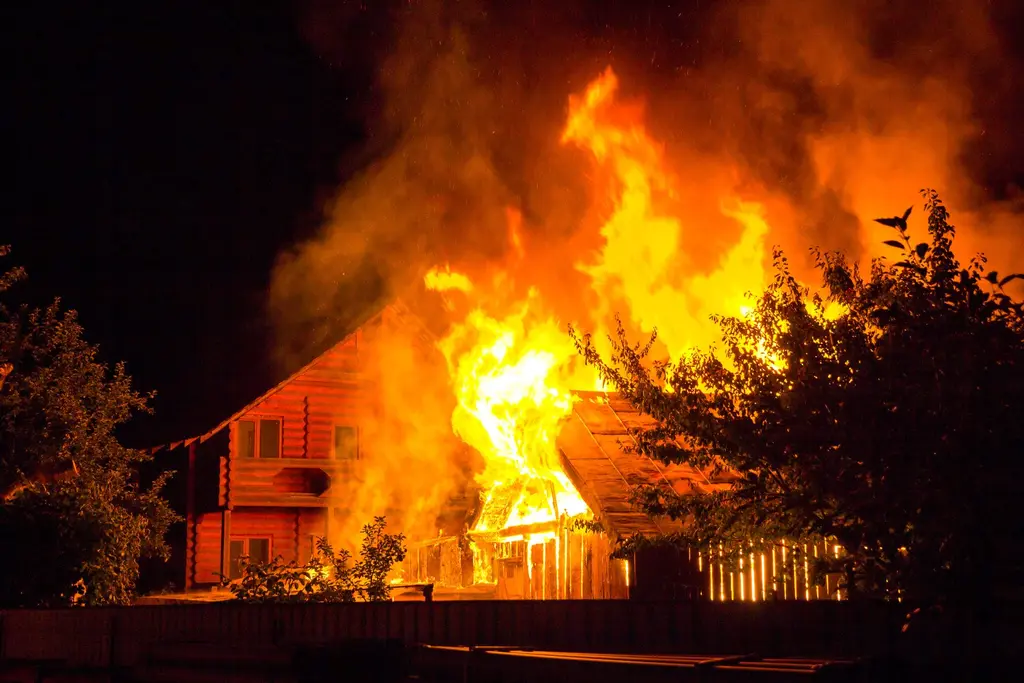

For many wildfire survivors, the financial consequences of a disaster prove considerably more complicated than they initially anticipated. The destruction of a home is perhaps the most obvious loss, but it represents only part of the wider economic damage a family may experience. Temporary accommodation, interrupted employment, rising construction costs, and the replacement of personal belongings can place enormous pressure on household finances. What makes the situation particularly difficult is that insurance settlements do not always reflect the full extent of these losses.
From a legal perspective, establishing the financial impact of a wildfire involves looking beyond the immediate destruction of property. If negligence contributed to the outbreak or spread of a fire, affected individuals may have grounds to pursue compensation for losses that are not adequately addressed by insurance. Understanding the distinction between an insurance claim and a civil claim against a responsible party can be important when considering how to finance a recovery that may take several years.
When insurance coverage falls short
Most homeowners take out insurance believing that they would be financially protected should their property be destroyed. In practice, the amount available following a wildfire depends on the wording of the policy, applicable coverage limits, exclusions, and how individual losses are valued. Homeowners who have not reviewed their policies for several years may discover a considerable difference between their insured rebuilding costs and what contractors are actually charging.
The problem is particularly acute following a widespread disaster. Construction materials become more expensive, demand for skilled labor increases, and contractors may have substantial waiting lists. Rebuilding a property to comply with current building codes can introduce further expenses that were never anticipated when the original insurance policy was arranged.
Disagreements between insurers and policyholders sometimes arise over repair estimates, the valuation of possessions, or whether particular forms of damage are covered. Smoke damage, for example, can affect properties that remain structurally intact. Establishing whether contamination has rendered furnishings, ventilation systems, or other parts of a property unsafe may require independent professional assessments.
Homeowners should retain copies of correspondence with their insurers, including explanations for reduced or rejected claims. If a dispute subsequently develops, these documents can help establish how the claim was handled and whether the insurer fulfilled its contractual obligations.
Establishing responsibility for wildfire losses
Not every wildfire gives rise to a viable legal claim. Some occur naturally, while others develop under circumstances that make it difficult to attribute responsibility to a particular individual or organization. However, where evidence suggests that inadequately maintained electrical infrastructure, defective equipment, or other negligent conduct contributed to a fire, civil litigation may provide an additional avenue for financial recovery.
Determining liability is rarely straightforward. Investigators may need to examine equipment maintenance records, previous safety complaints, weather conditions, inspection reports, and decisions made in the period preceding the fire. Expert testimony can be particularly important where several factors contributed to the incident or where the physical evidence has been extensively damaged.
For homeowners researching their legal options, information concerning Frantz Law Group wildfire litigation can provide further insight into the circumstances under which compensation may be pursued. An important consideration is whether a third party’s conduct contributed to the losses suffered and whether sufficient evidence exists to establish a legal basis for liability.
The existence of an insurance policy does not necessarily prevent someone from pursuing a claim against a negligent third party. There can, however, be complications involving insurance reimbursement rights and amounts already recovered. These issues need to be considered carefully when calculating potential damages.
Claiming for temporary accommodation and relocation
One of the most immediate financial concerns for displaced families is finding somewhere to live. Many homeowners insurance policies include additional living expenses (ALE) coverage, which may contribute toward the increased costs of maintaining a household while the insured property is uninhabitable. This can extend beyond accommodation to certain transportation, storage, and relocation expenses.
There is a practical difficulty here. Families are expected to manage their available coverage without necessarily knowing how long they will remain displaced. Construction delays, difficulties obtaining permits, and disputes over rebuilding estimates can extend the recovery period considerably. Some homeowners may find themselves approaching their coverage limits while their replacement property is still months away from completion.
Where a third party is legally responsible for the wildfire, reasonable relocation costs and other expenses associated with the loss of use of a property may form part of a wider compensation claim. Keeping receipts and maintaining an accurate record of expenditure is therefore worthwhile, even when there is uncertainty about whether particular costs will ultimately be recoverable.
What about losses beyond the property itself?
An aspect of wildfire litigation that deserves greater attention is the calculation of consequential losses. The destruction of a property can trigger a succession of financial difficulties that would not otherwise have arisen. Someone operating a business from home, for instance, may lose equipment, stock, and the ability to fulfill existing contracts. A salaried employee might need to take extended periods of unpaid leave to deal with the practicalities of relocation and rebuilding.
Depending on the applicable law and the circumstances of the claim, recoverable damages could include:
- Damage to residential or commercial property.
- Destruction of furniture, vehicles, and personal belongings.
- Lost earnings and business income.
- Reasonable relocation and additional living expenses.
- Medical expenses associated with wildfire-related injuries.
- Emotional distress where legally recoverable.
Calculating some of these losses requires considerably more evidence than others. Establishing the replacement cost of a destroyed vehicle is relatively straightforward. Demonstrating how much income a self-employed individual would probably have earned had the wildfire not occurred may require historical accounts, tax returns, contractual agreements, and professional financial analysis.
Property owners should also be aware that the measure of damages in civil litigation may differ from the valuation methods used by insurance companies. An insurance payment based on the depreciated value of an item, for example, does not necessarily reflect every loss that could be considered under a separate legal claim.
The importance of documenting financial losses
People recovering from a traumatic event cannot reasonably be expected to approach every purchase with future litigation in mind. Nevertheless, incomplete financial records can create difficulties when attempting to substantiate a compensation claim. Expenses that seemed insignificant at the time may collectively amount to thousands of dollars over the course of a year.
A dedicated folder containing receipts, bank statements, photographs, contractor estimates, and insurance correspondence can make the process of establishing losses considerably easier. Records relating to employment should also be preserved, particularly where earnings have been affected. Previous photographs of the family home may help demonstrate the condition of the property and establish ownership of possessions for which purchase receipts no longer exist.
There is another reason to begin collecting this information relatively early – legal proceedings are subject to time limits. The applicable filing deadline may depend on the jurisdiction, the nature of the claim, and the identity of the defendant. Waiting until an insurance dispute has been resolved or rebuilding work has been completed could, in some circumstances, jeopardize the ability to pursue a separate claim.
Considering the long-term financial consequences
A settlement that appears substantial in the immediate aftermath of a wildfire may look rather different when assessed against several years of anticipated expenditure. Accepting a final settlement can also involve relinquishing the right to pursue certain further claims, making it important to understand the scope and terms of any proposed agreement.
Older homeowners approaching retirement may be particularly vulnerable to the long-term financial consequences of a disaster. They have fewer working years in which to replenish depleted savings, repay additional borrowing, or recover lost investments. Younger families face different difficulties, perhaps having to postpone purchasing another home or redirect savings originally intended for their children’s education.
Of course, not every financial setback following a wildfire will constitute a legally recoverable loss. A successful compensation claim generally requires evidence connecting the claimed damages to the defendant’s conduct, together with a recognized legal basis for recovery.
The real challenge in wildfire litigation is arriving at a figure that properly reflects the extent of the harm suffered. Replacing a destroyed building is one thing; restoring a family’s financial position is quite another. A thorough assessment of losses, supported by appropriate evidence and an understanding of the available legal remedies, can make a considerable difference to the prospects of long-term recovery.