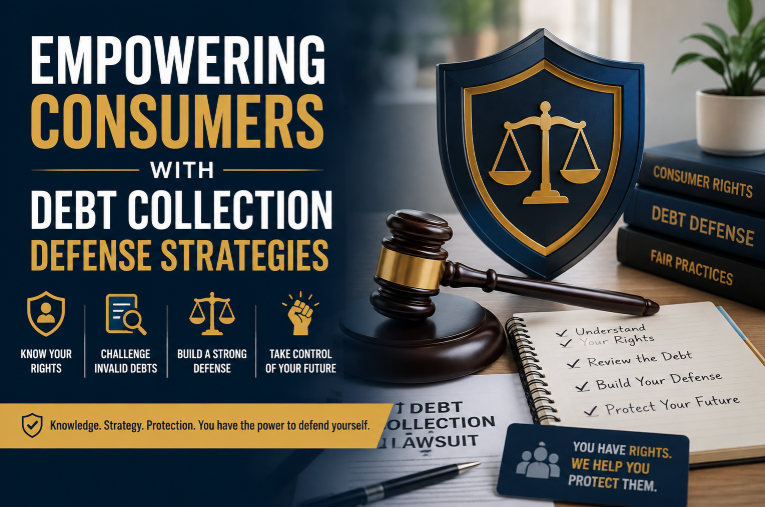

When facing a debt collection lawsuit, discovery is critical. It allows both sides to exchange information and evidence before trial to ensure fairness.
The plaintiff in a debt collection case carries the burden of proof. This means they must present sufficient evidence to convince the court that you owe the debt, that they have the legal right to collect it, and that the amount they are claiming is accurate. Without sufficient evidence, their case may fail. Discovery gives you an opportunity to compel the plaintiff to produce this evidence or expose the lack of evidence supporting their claim.
Among the various discovery tools, interrogatories are written questions sent from one party to another that generally must be answered under oath. They differ from other discovery tools, such as depositions, which involve in-person sworn testimony that is typically recorded by a court reporter. While both can be important, interrogatories are often an early formal discovery tool that allows you to gather foundational information about the debt collector’s case without the immediate expense and complexity of a deposition.
Understanding the distinctions between these methods is key to developing a defense strategy. For many individuals facing these lawsuits, utilizing a comprehensive DIY legal defense system can provide tools and templates to help navigate this complex process without the high cost of hiring a private attorney.
Here’s a quick comparison of the four main discovery methods available in civil court:
| Discovery Method | Description |
| Interrogatories | Written questions from one party to another that generally require written answers under oath. |
| Requests for Production | Requests requiring the opposing party to provide relevant documents, electronically stored information, or other materials. |
| Requests for Admission | Written statements that the opposing party is asked to admit or deny. |
| Depositions | Oral examinations of parties or witnesses conducted under oath and typically recorded by a court reporter. |
The Strategic Importance of Discovery in Debt Defense
To mount an effective defense against a debt buyer or original creditor, you must understand that plaintiffs may rely heavily on default judgments. A default judgment can occur when a defendant fails to respond to a lawsuit, allowing the plaintiff to obtain a judgment without the defendant actively contesting the case.
When you file an answer and actively participate in the discovery process, you demonstrate that you intend to defend the lawsuit. Debt buyers purchase portfolios of delinquent accounts for a fraction of their face value and may receive limited documentation. They may anticipate that many defendants will not fight back. By initiating discovery, you can require the plaintiff to devote time, legal resources, and administrative effort to supporting its claims.
Furthermore, active participation in discovery signals to the plaintiff’s attorneys that you are prepared to defend yourself. Debt collection law firms often handle cases in high volume. When you demand evidence supporting the plaintiff’s claims, you may increase the cost and effort required to litigate the case. In some instances, a defendant’s active defense may encourage the plaintiff to dismiss the case or offer a settlement rather than incur the expense of continued litigation.
The Burden of Proof: What the Plaintiff Must Prove
In a civil lawsuit, the party bringing the claim generally bears the burden of proving its case. In a debt collection action, the plaintiff may need to establish several key elements, depending on the applicable state law and the specific claims involved:
- The Existence of a Valid Contract: The plaintiff may need to prove that you entered into a legally binding agreement with the original creditor. This can involve producing the original agreement or other evidence establishing the terms that governed the account. Without sufficient evidence, the plaintiff may have difficulty proving that you agreed to the terms, interest rates, or fees it seeks to collect.
- The Chain of Title (Ownership): If the plaintiff is a third-party debt buyer, such as Midland Credit Management, Portfolio Recovery Associates, or Cavalier Portfolio Services, it generally must establish that it owns or otherwise has the legal right to enforce the debt. This may require documentation showing the transfer of the account from the original creditor to the current plaintiff. If the plaintiff cannot establish its ownership or standing as required by applicable law, the defendant may challenge its right to sue.
- The Accuracy of the Balance: The plaintiff generally must establish how it calculated the amount being claimed. Depending on the circumstances and applicable law, supporting evidence may include account statements showing charges, payments, interest, and fees. The plaintiff should be able to demonstrate that the claimed balance is accurate and properly calculated.
- Statute of Limitations: The debt must be legally enforceable. If the applicable statute of limitations has expired, the plaintiff may be barred from successfully pursuing the claim. Discovery can help uncover relevant dates, such as the date of the last payment or account activity, which may be important when determining whether the statute of limitations has expired.
Deep Dive: The Four Pillars of Civil Discovery
To successfully navigate a debt collection lawsuit, you should become familiar with the four primary discovery mechanisms. Each serves a distinct purpose and can be used strategically to challenge the plaintiff’s case.
1. Interrogatories (Written Questions)
Interrogatories are formal written questions that one party sends to another. The responding party generally must answer them in writing and under oath, subject to applicable court rules and limitations.
- When to Use Them: Use interrogatories to identify individuals with personal knowledge of the account, determine what documents the plaintiff possesses, and clarify the factual and legal basis of its claims.
- Sample Questions to Ask the Debt Collector:
- State the name, address, and job title of each person who has personal knowledge of the facts surrounding the alleged debt.
- Describe in detail the method used to calculate the principal, interest, and fees allegedly owed on the account.
- Identify each document, electronic record, or communication that supports your claim that the defendant is liable for the alleged debt.
- State the exact date, time, and amount of the last payment made on the alleged account, and identify the person or entity who made that payment.
2. Requests for Production of Documents
A Request for Production can be a powerful discovery tool in a debt defense strategy. It asks the plaintiff to provide physical or electronic copies of documents and other materials relevant to the lawsuit.
- When to Use Them: Depending on the applicable court rules and scheduling order, you may serve these requests after filing your answer. Debt buyers may not have all of the documentation necessary to prove their case readily available.
- Crucial Documents to Request:
- The Original Agreement: The signed contract or the applicable cardmember agreement governing the account.
- The Bill of Sale and Assignment: Documents showing the transfer of ownership or rights in the debt from the original creditor to the debt buyer.
- Complete Account Statements: Monthly statements, where available, showing transactions, payments, interest, and fees.
- The Purchase Agreement Schedule: The applicable portion of the debt-purchase records identifying the account, where discoverable and permitted by the court.
3. Requests for Admission
Requests for Admission are written statements that the opposing party is asked to admit or deny. The applicable deadline varies by jurisdiction and court rules. If a party fails to respond on time, matters may be deemed admitted under the applicable rules.
- When to Use Them: Use requests for admission to narrow the issues for trial, establish undisputed facts, or require the plaintiff to address weaknesses in its case.
- Strategic Statements to Propose:
- Admit that the plaintiff does not possess a copy of the original signed contract between the defendant and the original creditor.
- Admit that the plaintiff has no personal knowledge of the record-keeping practices of the original creditor.
- Admit that the plaintiff cannot produce account statements showing how the alleged balance was calculated.
- Admit that the plaintiff is not the original creditor of the alleged account.
4. Depositions
A deposition is an oral examination conducted under oath in which attorneys ask questions of a witness or party, and a court reporter typically records the proceeding. Although depositions can be highly effective, they are less common in routine consumer debt collection cases because they can be expensive and time-consuming. However, if a debt collector schedules a deposition or the amount in dispute is substantial, understanding the deposition process is important.
Step-by-Step Guide to Responding to Discovery Requests
If the debt collector sends you discovery requests, you must take them seriously. Ignoring them can lead to sanctions, waiver of certain objections, or other adverse consequences, depending on the applicable rules.
- Track the Deadlines: Note the exact date you received or were served with the requests. Calculate your response deadline based on your state’s rules of civil procedure and any applicable court orders.
- Formulate Proper Objections: You do not necessarily have to provide information that is irrelevant, overly broad, unduly burdensome, privileged, or otherwise protected. Common objections include:
- Irrelevant: The request seeks information that has no bearing on the claims or defenses in the lawsuit.
- Overly Broad/Unduly Burdensome: The request is too broad in scope or would require an unreasonable amount of effort or expense to answer.
- Privileged: The request seeks information protected by attorney-client privilege or another applicable legal protection.
- Provide Truthful Answers: For questions that are not subject to a valid objection, provide clear, concise, and truthful answers. Do not volunteer unnecessary information beyond what is specifically requested.
- Sign Under Oath: Responses to interrogatories generally must be signed and verified in accordance with applicable court rules. Depending on the jurisdiction, this may involve a notarized signature or a declaration under penalty of perjury.
How to Propound Discovery on the Debt Collector
To turn the tables on the plaintiff, you can draft and serve your own discovery requests. This process is commonly known as “propounding” discovery.
- Draft Your Requests: Use appropriate legal formatting. Clearly label the document, for example, “Defendant’s First Set of Interrogatories, Requests for Production, and Requests for Admission.”
- Serve the Plaintiff: Serve the discovery requests on the plaintiff’s attorney of record using the method permitted by the applicable court rules. Depending on the jurisdiction, this may include electronic service, certified mail, or another authorized method. Keep proof of service.
- Monitor the Plaintiff’s Response: The plaintiff generally has a deadline to respond under the applicable rules or court order. If its responses are evasive, incomplete, or untimely, you may have grounds to take further action.
- The “Meet and Confer” Requirement: Before involving the judge, many jurisdictions require the parties to make a good-faith effort to resolve discovery disputes. You may need to send a letter identifying deficiencies in the opposing party’s responses and request a conference to discuss the issues.
- Filing a Motion to Compel: If the plaintiff refuses to provide required documents or answers after the meet-and-confer process, you may be able to file a Motion to Compel Discovery with the court. This asks the judge to order the plaintiff to comply with its discovery obligations. Further noncompliance may result in sanctions or other remedies permitted by the court.
Common Pitfalls to Avoid in Discovery
- Missing Deadlines: This is one of the most common mistakes made by self-represented litigants. Missing a deadline can result in waived objections, deemed admissions, sanctions, or other adverse consequences.
- Providing Too Much Information: Answer only what is asked. Do not provide lengthy narratives or emotional explanations unless they are necessary to answer the specific request. Keep your answers factual and concise.
- Failing to Keep Copies: Always keep exact copies of everything you send to the plaintiff and everything you receive from the plaintiff, along with proof of mailing or electronic service.
- Using Informal Language: Treat all discovery documents with the same level of professionalism as you would a formal court filing. Use clear, formal language and avoid slang or emotional outbursts.
By understanding and actively participating in the discovery process, you can become an active participant in your debt collection defense. Discovery can require the debt collector to substantiate its claims and may help you identify weaknesses in the plaintiff’s case.