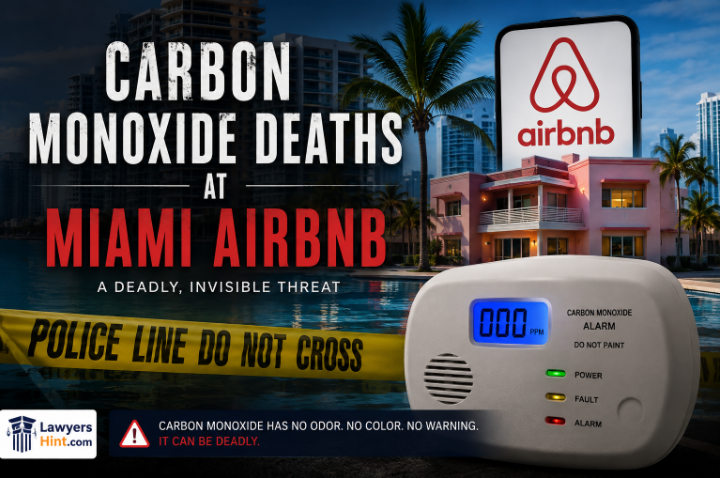

You might be reading this because a vacation rental stay turned into something no family could have imagined. One moment, it was a trip, a weekend, a place to rest. Then everything changed. When people hear about carbon monoxide deaths at a Miami Airbnb, the shock is immediate, but so is the confusion. A carbon monoxide poisoning injury lawyer can help families understand how this could happen in a rental that was supposed to be safe, who should have prevented it, and what happens now.
- Why do carbon monoxide deaths in a vacation rental feel so hard to process?
- Who may be responsible after an Airbnb carbon monoxide death?
- What makes carbon monoxide poisoning cases different from other injury claims?
- What practical issues should you weigh right away?
- What can you do now if your family is dealing with a carbon monoxide poisoning death?
- How do you move forward after a Miami Airbnb carbon monoxide tragedy?
If you are trying to make sense of a loss, or you are worried about a carbon monoxide exposure in a short-term rental, the first thing to know is this. Carbon monoxide poisoning is often preventable, and when basic safety steps are missed, the legal and financial consequences can be serious. You may have options, and a personal injury lawyer can help you understand whether an owner, property manager, host, maintenance company, or platform may share responsibility.
Why do carbon monoxide deaths in a vacation rental feel so hard to process?
Part of what makes these cases so painful is how invisible the danger is. Carbon monoxide has no smell, no color, and no warning you can trust with your senses alone. The CDC explains the basics of carbon monoxide poisoning and how it happens, and that is what makes these events so frightening. People can be sleeping, showering, or simply relaxing indoors without realizing they are being exposed.
Because of that, families are often left with haunting questions. Was there a detector in the unit? Did it work? Was there a gas appliance, generator, grill, or heater nearby? Had anyone complained before? In many cases involving a Miami Airbnb carbon monoxide tragedy, the truth only comes out after investigators, medical records, fire officials, and property documents are reviewed closely.
So, where does that leave you? Usually in a place where grief and practical pressure collide. You may be facing funeral costs, lost income, medical bills from emergency treatment, travel expenses, and the strain of dealing with insurers or property representatives who are already protecting themselves.
Who may be responsible after an Airbnb carbon monoxide death?
Responsibility is not always as simple as pointing to one person. A host may have failed to install or maintain a detector. A property owner may have ignored code requirements. A maintenance company may have missed a dangerous issue with a water heater, furnace, or venting system. In some situations, a neighboring source such as a generator in an attached area may have caused the exposure.
That is why these cases need careful legal review. A carbon monoxide death at an Airbnb can involve premises liability, wrongful death law, negligence claims, and questions about building codes or rental safety rules. If a surviving guest suffered brain injury, heart complications, or long-term neurological harm, the case may also involve a serious injury claim, not only a wrongful death claim.
What if the host says they did not know there was a problem? That does not always end the matter. Property owners and operators are often expected to inspect for hazards, follow safety standards, and respond to warning signs. Lack of action can matter just as much as direct action.
What makes carbon monoxide poisoning cases different from other injury claims?
These claims often turn on evidence that disappears quickly or gets fixed before families know what to ask for. A detector may be replaced. An appliance may be repaired. Digital platform messages may be deleted. Security footage may be overwritten. That is one reason early legal help matters.
The CDC also provides carbon monoxide fact sheets and safety guidance that show how quickly exposure can become deadly. Symptoms can look like the flu at first, including headache, dizziness, weakness, nausea, confusion, and chest pain. In a rental setting, guests may assume they are tired from travel or sick from food, which delays escape and treatment.
When that delay happens, the harm can be severe. Families are then left proving not only that carbon monoxide caused the injury or death, but that someone should have prevented the exposure in the first place. That is where an experienced injury attorney can help connect the medical evidence, the scene investigation, and the property records.
What practical issues should you weigh right away?
In the first days after a tragedy, it can be hard to know what deserves your energy. The table below can help you focus on what tends to matter most in a carbon monoxide poisoning claim.
| Issue | Why It Matters | What to Look For |
|---|---|---|
| Carbon monoxide detectors | Missing, broken, or poorly placed detectors can point to negligence | Photos, inspection records, purchase dates, battery status, local code compliance |
| Source of exposure | The source helps identify who may be liable | Water heaters, furnaces, generators, grills, blocked vents, attached garages |
| Medical evidence | Records help prove timing, exposure, and severity of harm | Hospital reports, toxicology, EMS notes, neurological findings |
| Rental records | Listings and messages can show what guests were told | Safety claims, amenity descriptions, host communications, prior complaints |
| Financial losses | Damages depend on documented costs and future impact | Funeral bills, lost income, medical expenses, travel costs, loss of support |
What can you do now if your family is dealing with a carbon monoxide poisoning death?
1. Preserve every piece of evidence you can.
Save booking confirmations, app messages, photos, videos, medical paperwork, receipts, and names of witnesses. If possible, write down the timeline while memories are still fresh. Even small details, such as where people slept or when symptoms started, can become important later.
2. Avoid quick statements or rushed settlements.
You may be contacted by an insurer, a host, or someone connected to the property. It is understandable to want answers, but early statements can lock you into facts before the full picture is known. A fast payment may also fall far short of the real losses your family has suffered.
3. Speak with a personal injury lawyer as soon as possible.
A lawyer can help secure records, send preservation notices, work with investigators, and explain whether you may have a wrongful death or injury claim. This is especially important when the case involves a short-term rental, because multiple parties may be involved and evidence can move fast.
How do you move forward after a Miami Airbnb carbon monoxide tragedy?
You do not need to have every answer before you ask for help. If your family is facing the aftermath of carbon monoxide deaths at a Miami Airbnb, it is enough to start with the facts you have and the questions that will not leave you alone. The law cannot undo what happened, but it can help uncover what went wrong, protect your rights, and pursue accountability for a death that may have been prevented.
If you are considering your next step, reach out to a personal injury lawyer who handles wrongful death and premises liability cases. A calm, early review can give you clarity, protect evidence, and help you decide what comes next.