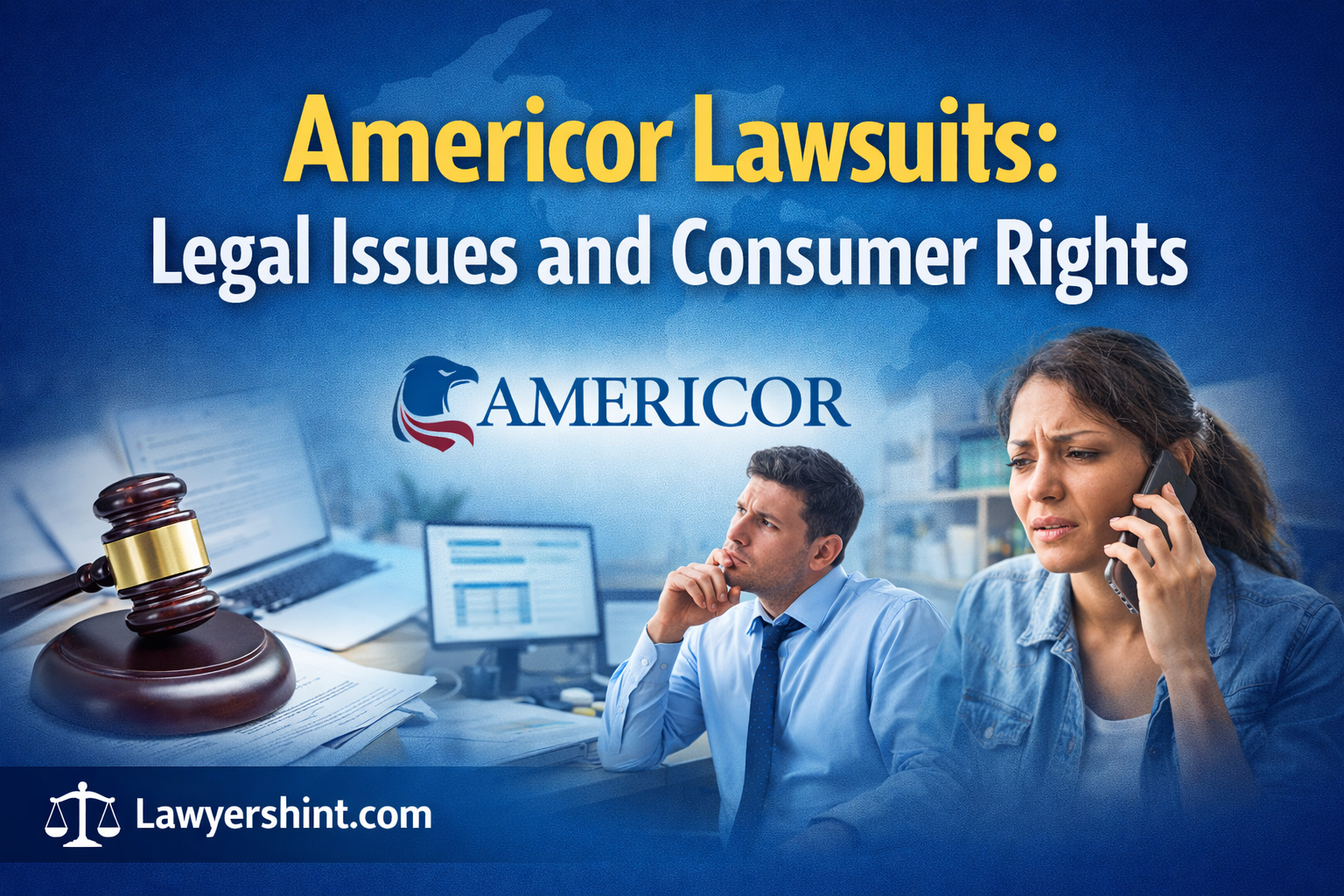

Explore Americor lawsuits, legal claims, and consumer rights. Learn risks, complaints, and what to do if affected by debt relief disputes.
- Understanding Americor and Its Services
- What Are Americor Lawsuits?
- Common Allegations in Americor Lawsuits
- Legal Framework Governing Debt Relief Companies
- Overview of Common Americor Lawsuit Claims
- Consumer Complaints vs. Lawsuits
- Real-World Implications of Americor Lawsuits
- How Americor Responds to Legal Claims
- Consumer Rights in Debt Settlement Programs
- Steps to Take If Affected by Americor Lawsuits
- Alternatives to Debt Settlement
- Are All Americor Lawsuits Valid?
- Conclusion
- FAQ: Americor Lawsuits
The rise of debt relief companies has provided millions of Americans with alternatives to bankruptcy and overwhelming financial burdens. Among these companies, Americor has gained attention as a provider of debt settlement services. However, alongside its growth, Americor lawsuits have emerged, raising concerns about consumer protection, transparency, and regulatory compliance.
This article offers a detailed and professional overview of Americor lawsuits, including common allegations, legal frameworks, consumer rights, and what affected individuals should know.
Understanding Americor and Its Services
Americor is a debt relief company that primarily offers debt settlement services. Its core business involves negotiating with creditors to reduce the total amount of unsecured debt owed by consumers.
Key Services Provided:
- Debt settlement negotiation
- Financial consultations
- Payment program structuring
- Customer support for debt management
While these services can be beneficial, they also come with risks, especially if not clearly communicated or properly executed.
What Are Americor Lawsuits?
Americor lawsuits refer to legal claims filed against the company by consumers, regulators, or other parties. These lawsuits typically arise from disputes related to business practices, fees, or the effectiveness of the debt settlement process.
Common Allegations in Americor Lawsuits
Several recurring issues have been highlighted in complaints and legal actions involving Americor. These allegations are not unique to Americor but are common across the debt relief industry.
1. Misleading Advertising
Some plaintiffs claim that Americor exaggerated the potential savings or failed to clearly explain the risks of debt settlement.
2. High or Hidden Fees
Consumers have alleged that:
- Fees were not fully disclosed upfront
- Charges were higher than expected
- Payments were taken before results were achieved
3. Failure to Deliver Promised Results
Debt settlement does not guarantee success. Some lawsuits claim Americor:
- Failed to negotiate effectively
- Did not reduce debts as promised
- Left consumers in worse financial condition
4. Impact on Credit Scores
Debt settlement programs can negatively affect credit ratings. Some consumers argue they were not adequately informed about this risk.
5. Aggressive Sales Tactics
Allegations include:
- Pressure to enroll quickly
- Lack of full disclosure during consultations
Legal Framework Governing Debt Relief Companies
Debt relief companies like Americor are subject to several federal and state laws designed to protect consumers.
Federal Regulations:
- Telemarketing Sales Rule (TSR)
Prohibits upfront fees before services are delivered - Federal Trade Commission (FTC) Act
Prevents deceptive or unfair business practices
State Laws:
Each U.S. state may have additional regulations governing:
- Licensing requirements
- Fee structures
- Consumer disclosures
Failure to comply with these laws can result in lawsuits, fines, and penalties.
Overview of Common Americor Lawsuit Claims
| Allegation Type | Description | Potential Impact on Consumers |
| Misleading Advertising | Overstated benefits or unclear risks | Financial misunderstanding |
| Hidden Fees | Undisclosed or excessive charges | Increased debt burden |
| Poor Results | Failure to settle debts effectively | Continued creditor harassment |
| Credit Damage | Negative impact not disclosed | Lower credit score |
| Sales Pressure | Aggressive enrollment tactics | Rushed financial decisions |
Consumer Complaints vs. Lawsuits
It is important to distinguish between complaints and lawsuits:
- Complaints are typically filed with agencies like the Consumer Financial Protection Bureau (CFPB) or Better Business Bureau (BBB).
- Lawsuits involve formal legal action in courts and may result in settlements or judgments.
Not all complaints lead to lawsuits, but patterns of complaints can trigger regulatory investigations.
Real-World Implications of Americor Lawsuits
Financial Consequences
Consumers may:
- Pay more than expected
- Experience delayed debt resolution
- Face additional interest or penalties
Emotional Stress
Dealing with debt and legal disputes can cause:
- Anxiety
- Financial uncertainty
- Reduced trust in financial institutions
Industry Impact
Lawsuits against companies like Americor can:
- Lead to stricter regulations
- Improve transparency standards
- Encourage better consumer education
How Americor Responds to Legal Claims
Companies facing lawsuits often respond by:
- Denying allegations
- Settling disputes out of court
- Updating policies and disclosures
In some cases, companies may also improve customer service practices or modify their fee structures to comply with legal requirements.
Consumer Rights in Debt Settlement Programs
If you are considering or already enrolled in a debt relief program, you have important rights:
1. Right to Transparency
You must receive clear information about:
- Fees
- Risks
- Expected outcomes
2. Right to Cancel
Many programs allow cancellation within a specified period without penalties.
3. Protection from Upfront Fees
Under federal law, companies cannot charge fees before settling or reducing your debt.
4. Right to File Complaints
Consumers can report issues to:
- Federal Trade Commission (FTC)
- Consumer Financial Protection Bureau (CFPB)
- State Attorney General offices
Steps to Take If Affected by Americor Lawsuits
If you believe you have been impacted by Americor or similar companies, consider the following steps:
1. Review Your Contract
Carefully examine:
- Fee structures
- Terms of service
- Cancellation policies
2. Document Everything
Keep records of:
- Payments
- Communications
- Agreements
3. Contact the Company
Attempt to resolve the issue directly before pursuing legal action.
4. File a Complaint
Submit complaints to relevant regulatory agencies.
5. Seek Legal Advice
Consult a consumer protection attorney to evaluate your options.
Alternatives to Debt Settlement
Before enrolling in a debt settlement program, consider other options:
Debt Consolidation
Combines multiple debts into a single loan with lower interest.
Credit Counseling
Nonprofit agencies offer budgeting assistance and repayment plans.
Bankruptcy
A legal process that may discharge or restructure debts.
Each option has advantages and drawbacks, so professional advice is essential.
Are All Americor Lawsuits Valid?
Not all lawsuits result in findings of wrongdoing. Some may be:
- Dismissed due to lack of evidence
- Settled without admission of liability
- Ongoing with no final judgment
Consumers should evaluate information carefully and avoid assumptions based solely on allegations.
Conclusion
The emergence of Americor lawsuits underscores the importance of transparency and accountability in the debt relief industry. While companies like Americor offer valuable services to individuals struggling with debt, legal disputes reveal potential risks that consumers must consider.
Understanding your rights, carefully reviewing agreements, and exploring alternative options can help you make informed financial decisions. If issues arise, taking prompt and informed action is essential to protect your financial well-being.
FAQ: Americor Lawsuits
1. What are Americor lawsuits about?
They typically involve allegations related to fees, misleading claims, or ineffective debt settlement services.
2. Is Americor illegal?
Not necessarily. Lawsuits are allegations, and legality depends on court findings and regulatory compliance.
3. Can I get my money back?
In some cases, refunds or settlements may be possible, depending on the outcome of disputes.
4. Does debt settlement hurt credit?
Yes, it can negatively impact your credit score.
5. Should I join a debt settlement program?
It depends on your financial situation. Always compare alternatives and seek professional advice.