
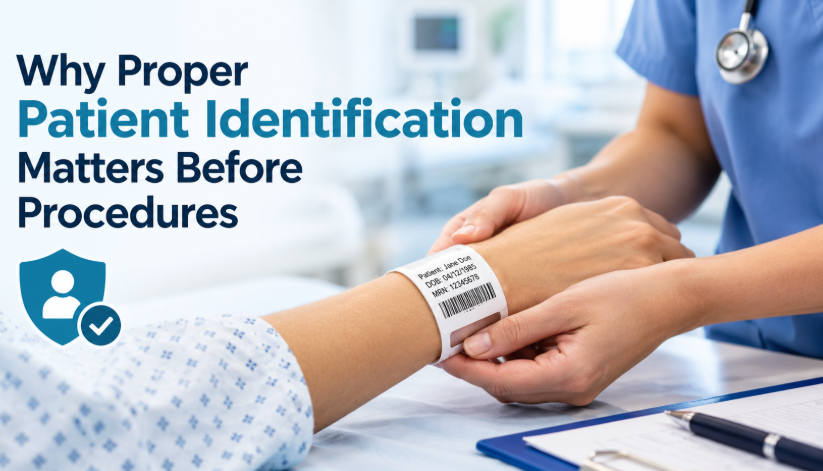

One of the most important steps that healthcare providers can take before performing medical procedures is properly identifying patients. Clinics, hospitals, and other medical facilities can treat numerous patients every single day. This makes proper identification absolutely essential for both effective care and optimal safety. Even just a small identification mistake can lead to a serious consequence for a patient who receives unnecessary procedures or the wrong medication.
Wrong-Patient Procedures
An imperative reason for proper patient identification is to prevent wrong-patient procedures. Medical facilities treat patients with similar names, identifying details, and matching birth dates. This can create confusion, and without reliable verification procedures in place, staff members may mistakenly associate medical treatments or records with the wrong patient.
A wrong-patient procedure can cause unnecessary complications, pain, and lasting physical harm. In some situations, a patient may even undergo surgery or another invasive treatment that was unnecessary. Additionally, this leaves the person who is actually in need of the procedure to experience a dangerous delay in their treatment.
It’s imperative that healthcare providers verify patient identity before beginning any procedure. They should confirm the patient’s identity against treatment orders, medical records, and other relevant documentation. Staff members should never solely rely on room numbers, a patient’s physical appearance, or bed assignments when verifying identity. These details could easily change and don’t provide a reliable way to distinguish one person from the next.
The Use of Multiple Patient Identifiers
It’s commonplace for healthcare providers to use at least two approved patient identifiers when confirming a patient’s identity before a procedure. These can include a date of birth, the patient’s full name, their medical record number, and so much more. The number of identifiers necessary really depends on the facility’s internal policies.
The use of multiple identifying factors helps provide additional safeguards against mistakes. For example, two patients can easily share the same first or last name but have different birthdays. Checking more than one identifier helps staff members appropriately recognize discrepancies before any treatments start.
It’s crucial for healthcare workers to compare the information provided by a patient with the details documented in the medical record. If the information doesn’t match, they should work to resolve the discrepancy before proceeding with any sort of medical treatment. Patients who are confused, unconscious, or unable to communicate require additional verification procedures.
Confirming the Right Treatment Site and Appropriate Procedure
Identifying that you have the appropriate patient is just one part of preventing procedural problems. Healthcare providers also need to confirm the appropriate anatomical site and the planned procedure. For example, the surgical team should identify whether the patient is scheduled for surgery on their right or left knee. A small confusion in these details could result in the wrong body part being operated on.
These pre-procedure verification practices should include reviewing relevant medical records, consent documentation, treatment orders, and other information that’s required for the planned procedure. Providers should always confirm that the correct site is properly marked. Taking a formal time-out before a procedure gives medical staff time to verify the patient’s identity, surgical site, and planned procedure.
Preventing Medication and Diagnostic Errors
Patient identity verification becomes increasingly important when it comes to performing diagnostic testing and administering medications. Medical facilities can handle numerous prescriptions, imaging orders, and laboratory samples within a given day. Incorrect identification can cause these services to go to the wrong patient.
For example, a laboratory may label a patient’s medical record incorrectly because staff members didn’t verify multiple identifying factors before marking the record. This could leave healthcare providers making treatment decisions based on incorrect information in a patient’s medical records. Staff members could administer the wrong medications to the wrong patients. Furthermore, the patient who needed the medication will experience a delay in receiving their appropriate treatment.
As a general rule of thumb, all healthcare providers should verify patient identity before administering medications, conducting diagnostic procedures, or collecting specimens. Following procedures for correctly labeling specimens and establishing proper documentation procedures will help reduce the risk of errors. This is always a fundamental part of optimal patient safety.
Healthcare Provider Internal Communication
Effective communication between healthcare providers is also an important part of proper patient identification. Technicians, surgeons, nurses, doctors, and other healthcare professionals all participate together in a patient’s treatment. Each person needs to have accurate information to ensure that the patient receives their appropriate level of care.
Miscommunication can occur during patient transfers, busy periods, or even shift changes. Incorrect verbal instructions or outdated procedure schedules can cause a healthcare worker to prepare the wrong patient for treatment. Healthcare facilities can greatly reduce these risks by using standardized identification procedures. Confirming important details with all team members will help eliminate communication discrepancies.
Taking the time to ask patients to state their full name and date of birth provides an opportunity to verify their information. Staff members should never solely rely on a patient agreeing whenever someone states their name.
What Happens When There’s a Failure With Patient Identification?
While having appropriate procedures in place can greatly minimize the risk of patient identification errors, they can still happen. Failure to identify a patient correctly has consequences that extend well beyond the immediate procedure. Depending on the particular type of error, the patient may experience physical injury, unnecessary treatments, complications, or even delays in receiving the medical care that they need.
Some errors can require additional medical intervention to address the harm that was caused. Patients may have additional medical expenses, extended recovery times, and longer hospital stays. In more severe cases, incorrect treatment can lead to life-threatening complications and permanent injuries. All of these can easily affect the patient emotionally by causing anxiety, uncertainty about future treatment, and a loss of trust in the healthcare system.
All healthcare providers have a responsibility to follow appropriate identification procedures and maintain accurate patient records. Healthcare facilities should investigate identification errors and document any relevant findings. Understanding how an error occurred allows the healthcare organization to address any weaknesses in its current system. If you have been injured as a result of improper patient identification, it’s important to speak with a qualified medical malpractice lawyer like the attorneys at Shrager, Sachs, & Blanco.