
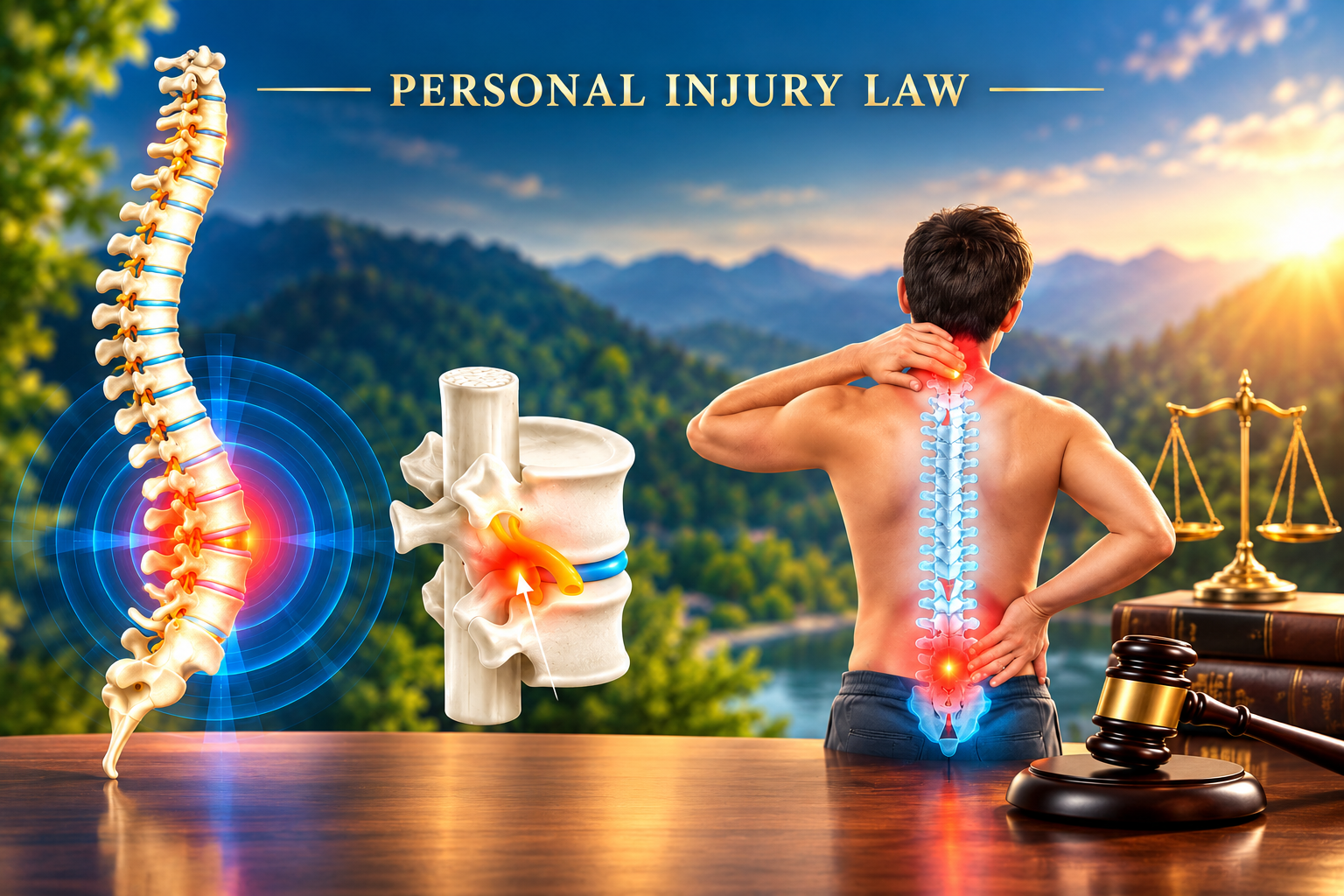

A spinal cord injury changes life in an instant, but the hospital stay is only the beginning. Once the emergency passes and the initial rehab wraps up, people face a new reality that stretches on for years. Some challenges are physical, some are emotional and many are financial. Knowing what to expect can make the road ahead a little less overwhelming, whether the injury is yours or a loved one’s.
Here’s a closer look at the long-term challenges that come with spinal cord injuries and why they often reach far beyond the injury itself.
The Physical Challenges That Don’t Go Away
The spinal cord acts as the main highway between your brain and the rest of your body. When it’s damaged, messages get delayed, distorted or blocked completely. How much function you lose depends on where the injury is and how severe it is. Injuries higher in the neck tend to affect more of the body, sometimes causing tetraplegia, which involves all four limbs. Injuries lower down can lead to paraplegia, which mainly affects the legs and trunk. An incomplete injury leaves some signals getting through, while a complete injury blocks them below the damaged point. Mobility is the most obvious issue, but it’s rarely the only one. Many people deal with a long list of ongoing health problems:
- Chronic pain. Nerve damage can cause burning, stabbing or tingling pain that doesn’t respond well to ordinary pain relievers. Some people also develop muscle and joint pain from overusing the parts of their body that still work, especially the shoulders and wrists.
- Muscle spasms and stiffness. Spasticity can make limbs tighten or jerk without warning. It can be uncomfortable and can interfere with sleep and daily tasks.
- Bladder and bowel problems. Many people lose normal control, which means ongoing management routines and a higher risk of urinary tract infections.
- Pressure sores. Sitting or lying in one position for too long can break down the skin. Because sensation is often reduced, a small sore can turn serious before anyone notices.
- Breathing and circulation issues. Higher injuries can weaken the muscles used for breathing, which raises the risk of pneumonia. Blood pressure can change rapidly, and blood clots are a constant concern.
- Autonomic dysreflexia. This is a sudden, dangerous spike in blood pressure that can happen in people with injuries at a certain level of the spine. It’s triggered by something as simple as a full bladder.
Over time, the body also changes in quieter ways. Bones can lose density, which makes fractures more likely. Muscles can shrink without regular use. Staying on top of all this takes a steady routine of medical visits, therapy and daily care.
The Emotional and Financial Weight
The physical side gets the most attention, but plenty of people say the emotional side is just as hard. Losing independence is a big adjustment. Tasks that once took seconds, such as getting dressed, cooking or getting in the car, can take much longer or require another person’s help. That shift can cause frustration and a real sense of loss for the life you had before.
Depression and anxiety are common after a spinal cord injury. It’s a normal response to a major life change. Relationships can feel the strain as well. Spouses, parents and friends often become caregivers, and that can change the dynamic between people in ways nobody planned for. Socialization can change when buildings, restaurants and transportation aren’t accessible.
Then there’s the money. Spinal cord injuries are among the most expensive injuries a person can have. Costs show up in different ways: the initial hospital stay, surgeries, rehabilitation, medications, medical equipment, home modifications, a modified vehicle and ongoing personal care. For severe injuries, lifetime costs can climb into the millions. At the same time, many people can’t return to their old job or work at all, so income drops just as expenses rise.
Adapting and Planning for the Years Ahead
None of this means a full and meaningful life is out of reach. Plenty of people with spinal cord injuries work, raise families, travel and build strong communities. Advances in rehabilitation, assistive technology and research continue to improve what’s possible. Still, a good outcome usually comes from planning ahead and building a solid support system.
Consistent rehabilitation matters, even years after the injury. Physical and occupational therapy can help you keep strength, improve independence and prevent further complications. Mental health support, whether that’s counseling or a peer group, can make a real difference. Talking with others who’ve been through something similar often helps in ways that friends can’t.
Practical planning matters too. That includes adapting your home, learning about disability benefits and understanding what your insurance will and won’t cover. If someone else’s negligence caused the injury, such as a driver who ran a red light, the long-term costs may be recoverable. Many families speak with an experienced personal injury lawyer like those at Frost Law Firm, PC early on to understand how future medical needs, lost earning ability and lifestyle changes are measured. Because spinal cord injuries affect a person for decades, accurately estimating those future needs is a big part of the process, and a personal injury lawyer can explain how that works in practice.
Final Thoughts
Spinal cord injuries bring challenges that last long after the accident itself. Chronic pain, ongoing medical needs, emotional strain and serious financial pressure can all take a toll. But with proper medical care, a reliable support network and careful planning, many people find ways to adapt and live full lives. The more you understand about what’s ahead, the better prepared you’ll be to face it one step at a time.