
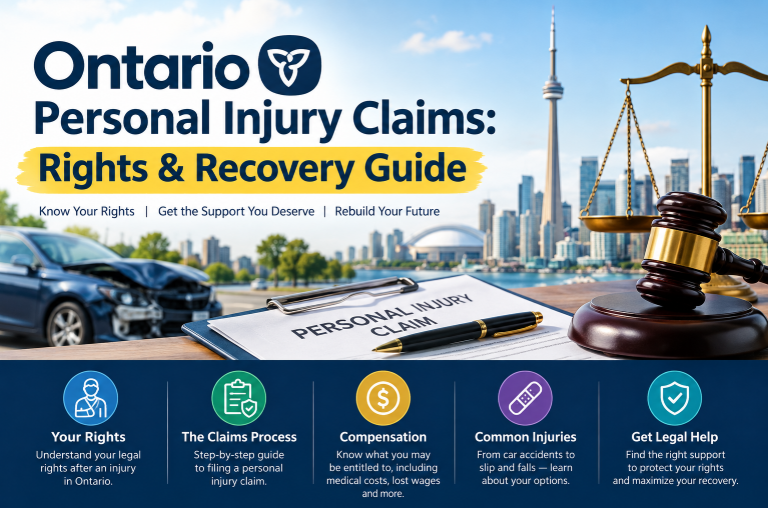

Experiencing an unexpected traumatic injury can dramatically disrupt your daily life, physical health, emotional stability, and financial security. Whether confronting the sudden aftermath of a major motor vehicle collision, a complex pedestrian incident, a severe slip and fall hazard, or workplace negligence, navigating rehabilitation requires both comprehensive healthcare support and clear legal guidance. For residents across Eastern Ontario, understanding provincial injury laws, statutory insurance frameworks, and dispute resolution mechanisms is a vital first step toward securing complete rehabilitation and proper financial recovery.
Understanding Personal Injury Law and Legal Frameworks in Ontario
Ontario operates under an intricate legal system established to protect individuals who suffer severe physical or psychological harm due to the wrongful acts or negligence of others. In automobile and transit accident scenarios, the province maintains a hybrid system involving statutory no-fault accident benefits alongside civil tort remedies. Under the Statutory Accident Benefits Schedule (SABS), injured parties are entitled to immediate medical, rehabilitation, attendant care, and income replacement assistance regardless of who was at fault for the collision.
However, when serious or catastrophic injuries occur due to another party’s provable negligence, accident victims also hold the legal right to file a civil tort lawsuit against the at-fault driver or property owner. A tort action allows the claimant to pursue general damages for pain and suffering, future healthcare costs, housekeeping expenses, and compensation for lost earning capacity that exceeds standard statutory limits. Successfully advancing a tort claim requires proving legal liability, establishing causation through credible expert testimony, and overcoming statutory threshold requirements. Because strict limitation rules under Ontario’s Limitations Act apply, consulting a knowledgeable Ottawa personal injury lawyer is essential to protect your rights, coordinate specialized medical assessments, and handle negotiations effectively against well-resourced insurance corporations.
Crucial Steps to Take Following an Accidental Injury
The immediate and ongoing actions you take after sustaining an injury have a profound impact on both your physical recovery trajectory and the viability of your legal claims. Following established legal and medical protocols safeguards your well-being and ensures critical evidence is preserved:
- Obtain Prompt Medical Evaluation: Always seek thorough clinical assessment from qualified medical professionals or emergency healthcare departments immediately. Complete medical records serve as the primary documentation connecting your diagnosed injuries directly to the incident.
- Document Scene Details and Preserve Physical Evidence: When safely possible, take photographs and video footage of the incident scene, visible hazards, property damage, and initial physical trauma. Collect contact details from independent witnesses who observed what happened.
- Report the Incident to Authorities: Ensure formal accident reports are filed with local police services for motor vehicle collisions, or with municipal staff and property managers for premises liability incidents, without making premature statements regarding fault.
- Maintain Comprehensive Expense Records: Keep an organized file of all out-of-pocket prescription expenses, assistive device purchases, travel expenses for medical appointments, and detailed logs of missed work hours or career disruptions.
Overcoming Common Insurance Challenges and Dispute Tactics
Dealing with insurance adjusters during a period of physical vulnerability presents substantial hurdles. Insurance companies frequently attempt to settle injury claims quickly before the full medical prognosis and permanent impacts of an injury are known. Without legal representation, claimants may inadvertently accept low settlement offers that fail to account for future rehabilitation therapies, home modifications, or sustained loss of competitive advantage in their profession. Dedicated legal counsel levels the playing field, managing all communications, countering insurer disputes, and ensuring every facet of your injury is thoroughly valued.
Long-Term Impact and Comprehensive Legal Representation
Severe injuries—such as traumatic brain injuries, spinal trauma, complex fractures, and chronic pain syndromes—frequently demand lifetime multi-disciplinary treatment, occupational therapy, and specialized caregiving. Experienced legal advocates work closely with medical specialists, forensic economists, and vocational rehabilitation experts to build an exhaustive valuation of your claim. This rigorous approach ensures that any settlement agreement or judicial award accurately reflects the true lifelong cost of your injury, providing you and your family with peace of mind and financial security throughout the recovery process.