

Victoria, Texas, sits at a busy crossroads between Houston, Corpus Christi, and San Antonio, where local streets and regional highways carry residents, commuters, and commercial traffic each day. With so many vehicles moving through the area, a sudden crash can leave an injured person facing unfamiliar questions about responsibility, financial losses, and what compensation may realistically cover. The choices made after an accident can also influence how clearly the circumstances get documented and whether victims can connect losses to another driver’s conduct.
For someone considering a claim, understanding Texas liability rules and the types of damages available provides a stronger foundation before dealing with an insurer or accepting an offer. Legal guidance can be particularly valuable when fault is under dispute, several parties are involved, or injuries affect a person’s ability to work. Carrigan & Anderson personal injury attorneys serving Victoria, TX, can help injured individuals assess these issues and understand their options. With that foundation, attention can turn to the practical actions that follow a collision.
Get Medical Care And Report The Crash
An early case review helps identify available insurance, preserve records, and assess whether another driver violated a duty of care. A Victoria crash victim who needs guidance can contact personal injury attorneys. The local practice page lists car accident claims, evidence gathering, insurer contact, settlement negotiations, and trial representation.
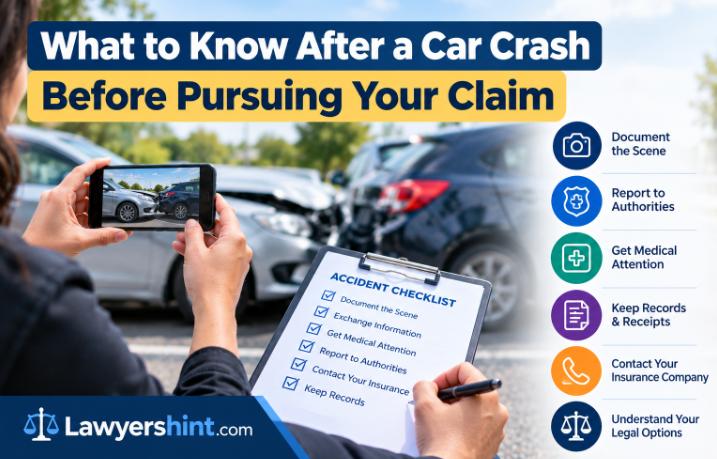
Anyone injured in a crash should request emergency medical care or visit a doctor promptly. Some conditions, including head, neck, and internal injuries, do not appear immediately. A driver should report the collision to law enforcement when required. The crash report can record road conditions, vehicle positions, statements, citations, and visible injuries. Those details can support later decisions about responsibility.
Preserve Evidence Before It Disappears
Photographs should show the vehicles, license plates, roadway, traffic signs, lighting, weather, and visible injuries. A crash victim should photograph damage before repairs begin and keep copies in a secure location.
Collect witness names and contact information at the scene when possible. Dashcam footage, nearby security video, repair estimates, medical records, and written communications can also clarify what happened. Avoid deleting messages, altering photographs, or discarding damaged vehicle parts. Evidence becomes harder to obtain as vehicles move, memories fade, and video systems overwrite older recordings.
Handle Insurance Communications Carefully
Insurance companies often request recorded statements, medical authorizations, or quick settlement agreements. A crash victim should read each document carefully and avoid guessing about injuries, speed, fault, or future treatment.
The other driver’s insurer does not represent the injured person. Statements should remain accurate and limited to known facts. Social media posts about the collision, medical condition, work activities, or recovery can also create unnecessary disputes. A settlement should account for medical bills, lost wages, property damage, pain and suffering, and reduced earning capacity when supported by the evidence. Signing a release usually ends the claim against the covered parties.
Account For Texas Fault Rules
Texas uses modified comparative fault in personal injury cases. A person can recover damages when assigned 50 percent fault or less, but the award decreases by that percentage.
For example, a $100,000 award reduced by 20 percent produces an $80,000 recovery. Insurance adjusters often examine traffic signals, following distance, lane changes, speed, phone use, and other conduct when assigning responsibility. A careful account of the crash should separate confirmed facts from assumptions. Consistent medical records, photographs, witness statements, and the police report can help establish how each person’s conduct caused harm.
Watch The Filing Deadline
Texas generally gives an injured person two years from the accident date to file a personal injury lawsuit under Texas Civil Practice and Remedies Code § 16.003. Missing that deadline can prevent court action, even when the injuries and losses remain documented.
Early legal attention gives time to collect records, identify responsible parties, calculate losses, and address disputed fault. A crash victim should record the collision date and discuss the claim before the deadline approaches.
Conclusion
A car crash claim starts with disciplined decisions, not a quick settlement. Medical care, accurate reporting, preserved evidence, careful insurer communication, and timely legal review each affect the available recovery. A person injured in Victoria should gather the crash report, photographs, medical records, wage information, and insurance correspondence before seeking advice. Next, a prompt case evaluation examines fault, damages, coverage, and the applicable Texas deadline.