
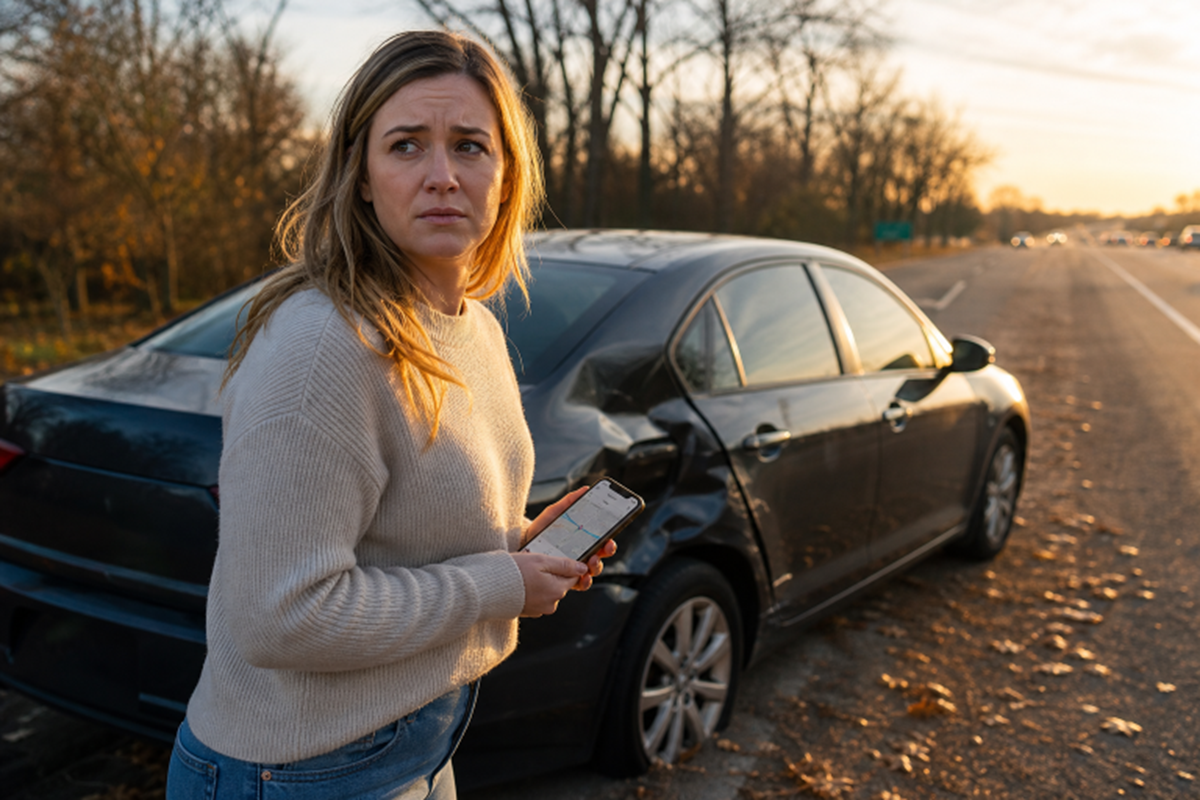

A rideshare crash can leave passengers, drivers, pedestrians, and cyclists shaken and uncertain about what to do next. The best first steps are usually simple: get to safety, obtain medical attention when needed, and preserve details before memories and evidence begin to fade. Even a seemingly minor impact can create confusion about transportation, reporting requirements, medical appointments, and who to contact first, so following a calm, practical checklist can be helpful.
- What to Do in the First Few Minutes
- Why Medical Care Should Come Early
- How to Document the Crash Scene
- Why App and Trip Details Matter
- How Insurance May Apply
- Steps for Passengers, Drivers, and Other Road Users
- Mistakes That Can Weaken a Claim
- How to Organize Important Records
- When Professional Guidance May Help
- Frequently Asked Questions
- Final Takeaway
Insurance questions can quickly become complicated when an app-based driver, another motorist, and multiple policies are involved. While some people may eventually seek relentless legal advocacy, the immediate focus should remain on health, documentation, and clear communication. Avoid feeling pressured to resolve every issue at the roadside; the most important information can be collected methodically once everyone is safe.
What to Do in the First Few Minutes
Safety comes before photos, app reports, or conversations about who caused the collision. Check yourself and others for injuries, call 911 if anyone may be hurt or traffic presents a danger, and move away from active lanes only when it is safe to do so. Turn on hazard lights if possible, and do not argue about the fault at the scene.
If a vehicle cannot be safely moved, stay in a protected location when possible and follow instructions from emergency responders. Exchange basic identifying and insurance information, but keep the conversation factual and brief. A person may be disoriented after a crash, so it can also help to write down the time, location, direction of travel, and the sequence of events as soon as circumstances permit.
Safety first. Evidence comes second. Never step into traffic, remain near a damaged vehicle, or aggravate an injury simply to take a photograph or exchange information.
Why Medical Care Should Come Early
Some collision injuries are not obvious immediately. Adrenaline can mask pain, while headaches, neck stiffness, dizziness, numbness, and back pain may appear hours or days later. Seek emergency care for serious symptoms, and arrange a timely evaluation for symptoms that seem mild but persist.
Tell the provider that the symptoms followed a vehicle collision, describe where you were seated or standing, and explain every affected area. Keep discharge instructions, prescriptions, imaging results, appointment summaries, and receipts for travel to treatment. Following the recommended treatment plan also creates a clearer record of recovery.
It may be useful to note changes in symptoms between appointments, including sleep problems, difficulty concentrating, pain while driving, or limitations in performing ordinary household and work tasks. Accurate descriptions are more useful than trying to “push through” pain or assuming a symptom will disappear on its own. If a condition worsens, new symptoms appear, or a provider recommends follow-up care, address those concerns promptly.
How to Document the Crash Scene
If the scene is safe, use a phone to capture details that may disappear once vehicles are moved. Take close-up and wide-angle photos, and make brief notes while the events are still fresh.
- Photograph vehicle damage, license plates, airbags, seat belts, and the vehicle interior.
- Capture traffic signals, signs, lane markings, road conditions, debris, weather, and nearby buildings.
- Record visible injuries, torn clothing, and damaged personal items.
- Ask witnesses for names and contact information, but do not pressure anyone to give an opinion about fault.
- Get the responding agency’s name and the report number if law enforcement attends.
When taking photographs, it can be helpful to capture the overall position of each vehicle before focusing on individual dents, broken glass, or deployed airbags. Include nearby intersections or landmarks so the images provide context. If you cannot safely take photos yourself, ask a trusted person or responding officer whether the necessary information can be documented later.
Michigan drivers should report qualifying crashes promptly. A copy of the official report may later be available through the state’s traffic crash reporting process, which can help identify the reporting agency and preserve basic crash information.
Why App and Trip Details Matter
A rideshare collision can create digital evidence that is not present in an ordinary crash. As soon as it is safe, save screenshots of the driver’s profile, vehicle description, plate number, trip receipt, route map, pickup and drop-off locations, timestamps, messages, and in-app crash report confirmation.
Do not assume that a receipt alone will preserve every detail of the trip. Screenshots should show the date and time where possible, and copies can be sent to a secure email address or stored in a cloud folder. If a passenger was traveling with friends or family, each person may have separate messages, photos, or observations that should be preserved in their original form.
Basic ride safety tips also matter before a crash occurs. Confirm the vehicle and license plate match the booking, verify the driver’s identity, wait in a safe pickup location, and use a seat belt throughout the ride. The ride safety tips published by federal highway safety officials emphasize those precautions for ride-hailing users.
How Insurance May Apply
More than one policy may be relevant after a rideshare crash. Coverage can depend on who caused the collision, whether the rideshare driver was logged into the app, whether a passenger was in the vehicle, whether another driver contributed, and what insurance each injured person carries.
The driver’s activity at the moment of the crash can be especially important. A driver may be offline, available for ride requests, traveling to a pickup, or actively transporting a passenger, and those circumstances can affect which coverage is reviewed. Property damage, medical expenses, lost earnings, and other claimed losses may also be handled differently depending on the applicable policy and the facts of the collision.
When an adjuster contacts you, provide accurate basic facts, but do not guess about speed, fault, injuries, or details you did not personally observe. Avoid minimizing symptoms or accepting a settlement before you understand your medical needs, missed work, property damage, and other losses.
Steps for Passengers, Drivers, and Other Road Users
Passengers
- Save trip information and report the incident through the app.
- Collect driver and insurance details when it is safe to do so.
- Tell medical providers that the injury followed a motor vehicle collision.
- Keep records of replacement transportation, canceled plans, and other crash-related expenses.
Rideshare Drivers
- Notify the rideshare company and insurer according to applicable reporting requirements.
- Preserve app records, navigation data, dashcam footage, photographs, and messages.
- Do not delete trip history or discuss fault publicly online.
- Make a factual record of the ride status, passenger pickup information, and conditions at the scene.
Other Drivers, Pedestrians, and Cyclists
- Record identifying information for the rideshare vehicle and driver.
- Document whether the driver appeared to be picking up or transporting a passenger.
- Preserve witness contacts and photographs of the roadway and your injuries.
- Write down whether traffic controls, visibility, construction, or road conditions may have played a role.
Phone use, navigation activity, and in-app notifications can become important evidence because distracted driving remains a serious roadway risk. In 2024, distracted drivers were involved in crashes that killed 3,208 people and injured more than 315,000 others, according to federal distracted-driving statistics.
Mistakes That Can Weaken a Claim
- Delaying medical care: A long gap can make the injury timeline harder to understand.
- Failing to save app records: Trip details may help establish the ride’s status and timeline.
- Posting on social media: Photos and comments may be taken out of context.
- Guessing about fault: Important events may have happened outside your view.
- Accepting a quick payment: Early offers may not reflect future treatment or lost income.
- Ignoring deadlines: Insurance and legal time limits can vary by claim.
Another common problem is failing to keep copies of communications. Save emails, claim numbers, letters, voicemail details, and notes from phone calls, including the date and the name of the person who contacted you. Clear records can reduce confusion if an insurer requests documents again or if accounts of the crash later differ.
How to Organize Important Records
Create one secure folder, cloud file, or binder for medical bills, prescriptions, repair estimates, towing invoices, employer wage information, insurance letters, receipts, and photographs. Keep a dated journal describing symptoms, missed activities, treatment visits, and conversations with insurers. Save copies in multiple locations rather than relying on a single phone or email account.
Use simple, descriptive file names such as “Crash photos,” “Emergency visit,” “App receipt,” or “Insurance correspondence,” and keep documents in date order. This approach makes it easier to locate an item months later and helps create a reliable timeline from the day of the collision through treatment, repairs, and claim resolution.
When Professional Guidance May Help
Extra help may be useful when multiple insurers are involved, fault is disputed, injuries are serious, an uninsured driver is involved, or a settlement offer arrives before recovery is clear. A consultation can help someone review the crash timeline, policies, records, available evidence, possible deadlines, and practical next steps without promising a particular outcome.
Professional guidance may also be useful when a person is unable to obtain key records, receives conflicting information about coverage, or needs to focus on recovery rather than repeated calls and paperwork. Asking questions early can help clarify what documents should be preserved and what decisions may be premature.
Frequently Asked Questions
Should a passenger report the crash through the app?
Yes. An in-app report can create an additional record, but it does not replace calling 911 when needed, seeking medical care, or obtaining a police report.
What if pain starts the next day?
Seek medical attention promptly, explain when symptoms began, and mention the collision. Delayed symptoms can still require appropriate care.
How long should crash records be kept?
Keep records until all medical treatment, repairs, insurance issues, and any related claims have been fully resolved. Longer retention may be sensible if a dispute remains open.
Final Takeaway
After a rideshare crash in Michigan, a calm checklist can make an overwhelming situation more manageable. Prioritize safety and medical care, preserve physical and digital evidence, keep organized records, and avoid rushed decisions until you understand the full situation. Taking these steps does not require deciding fault at the scene; it simply helps protect important information while you address your health and next practical needs.