
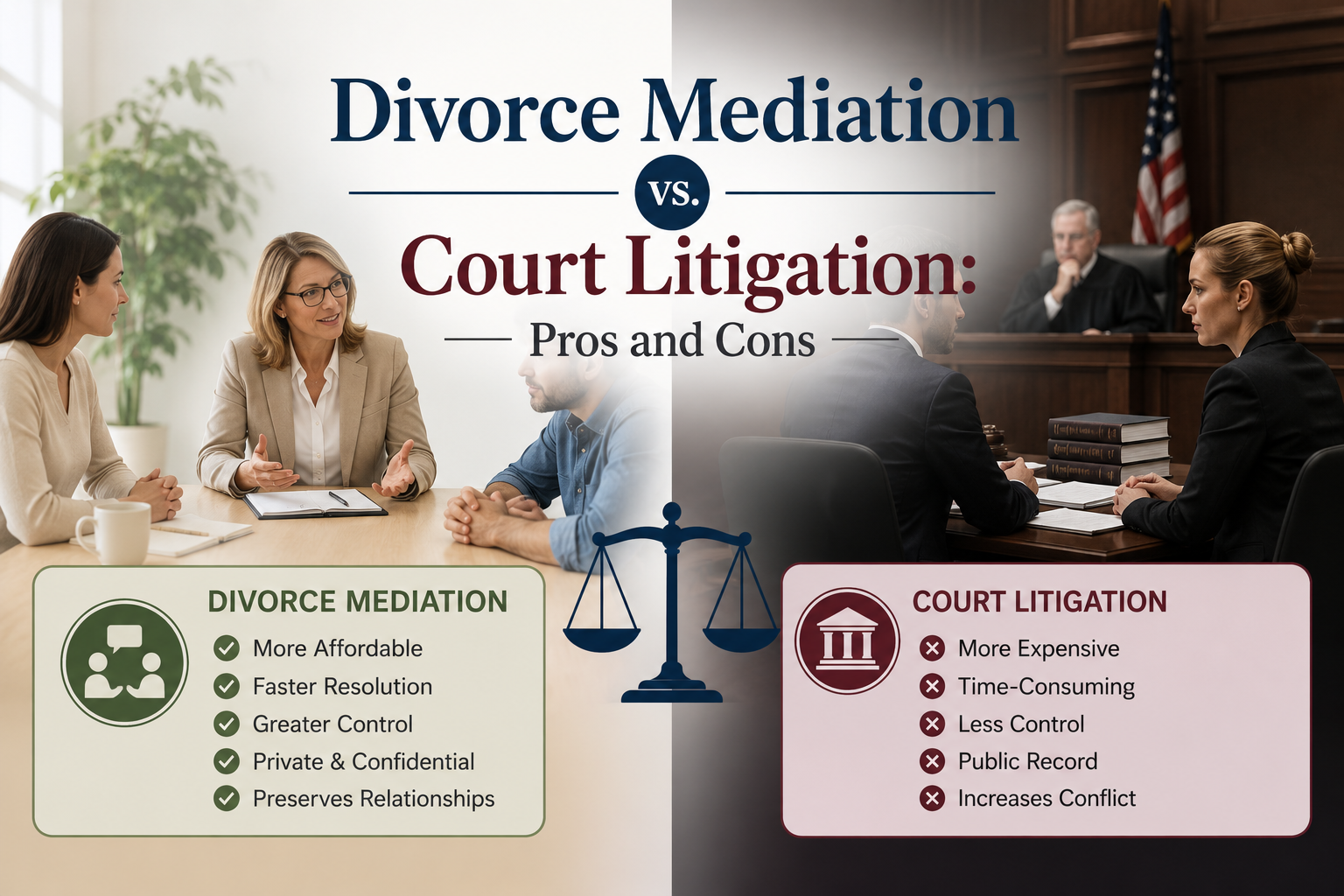

Divorce mediation has seen substantial growth in Massachusetts as couples seek a less adversarial, more cost-effective way to resolve disputes. This trend mirrors a national movement toward Divorce Mediation Services in MA, which places power in the hands of couples rather than the court system. Rather than fighting battles in the courtroom, spouses are increasingly finding that mediation addresses their concerns while minimizing emotional and financial hardship.
Massachusetts courts now recommend or require mediation in many family law cases, recognizing its potential to save judicial resources and offer more personalized solutions. Mediation is not only less stressful but also tends to be more respectful, supporting positive outcomes for everyone involved.
By working with a neutral third-party mediator, couples can resolve all aspects of divorce, including property division, child custody, and support. The collaborative process aligns with the Massachusetts legal system’s goals, helping families reach agreements that reflect their unique needs.
This approach also offers greater transparency, flexibility, and privacy, all factors that are rarely found in public court litigation. In mediation, the couple, rather than a judge, remains in control of divorce-related decisions.
Mediation is a structured yet flexible process that starts with an initial meeting to outline issues and establish ground rules. The mediator does not represent either party but helps facilitate conversations, encourage compromise, and help the couple explore creative solutions. Sessions continue until both parties reach an agreement or decide mediation is not the right fit.
Because mediation is private, the details of discussions and agreed-upon solutions remain confidential. Unlike litigation, where testimony and evidence become part of the public court record, mediation sessions are shielded from public scrutiny. This confidentiality can give participants the freedom to discuss sensitive matters honestly.
Comparing Costs and Time
One of the biggest motivators for couples to choose mediation is cost savings. Litigated divorces in Massachusetts typically cost anywhere from $15,000 to $50,000 or more, an amount that can be a financial burden for most families. Mediation, by contrast, commonly costs between $2,000 and $6,000, depending on the complexity of the divorce and the number of mediation sessions required. These savings are enhanced by the fact that mediation usually resolves much faster than litigation, sometimes concluding in weeks instead of the 9 to 18 months it often takes for litigated divorces to finish.
The expedited timeline also means couples can begin post-divorce life sooner, reducing stress and uncertainty. According to Turco Legal, mediation can turn what could be a protracted battle into a more manageable process.
Confidentiality and Privacy Concerns
Another significant advantage of mediation is privacy. Litigated divorce involves courtroom proceedings, which are typically public. This means personal and financial information can become a matter of public record. Mediation keeps negotiations and settlements out of the public eye, providing an added safeguard for families and public figures alike.
How Mediation Preserves Relationships
Mediation encourages cooperative problem-solving and respectful discussion, which is especially important when children are involved. Family relationships can suffer irreparable damage from aggressive court battles. In contrast, mediation helps parents co-create solutions focused on their children’s needs and fosters a foundation for effective co-parenting. This benefit extends to preserving extended family relationships and limiting the emotional impact on children and other involved parties.
Legal Framework: Mediation and Massachusetts Law
Massachusetts has developed a strong legal framework to encourage alternative dispute resolution, including mediation. Courts may refer or order couples to mediation, and legal professionals often recommend it as a primary first step. The state’s supportive stance helps more couples benefit from alternatives to costly and contentious litigation. Information about mediation’s legal standing in the state can be found in resources like Turco Legal.
Potential Drawbacks of Mediation
Mediation, while highly effective for many, is not ideal for all divorces. In cases involving domestic violence, child abuse, or significant power imbalances, the fairness of mediation can be compromised. One party may feel forced into agreements or may not disclose critical information. Couples must also be willing and able to communicate openly for mediation to be successful.
For these reasons, individuals should consult with a mediator or a family law attorney to evaluate if mediation is appropriate for their unique circumstances.
What to Know About Court Litigation
Court litigation remains necessary in cases where mediation is unsuccessful or impractical. Litigation involves a judge making binding decisions based on legal arguments and evidence. The process is highly regulated, ensuring fairness but also often escalating conflict and expenses. Each spouse may need legal representation, which increases costs and lengthens timelines. While litigation offers clear procedures and can help address safety concerns, it removes much of the couple’s control and can result in public exposure of personal matters.
Choosing the Right Approach for Your Situation
Choosing between mediation and litigation depends on several factors, including the complexity of the divorce, the relationship dynamics, and the level of trust and communication between spouses. For those seeking privacy, lower costs, and greater control, mediation is often the preferred route. However, couples that require judicial intervention for protection or who are unable to reach a consensus, even with help, may need to pursue litigation.
Conclusion
Mediation is transforming how divorce is handled across Massachusetts, making divorces less contentious and less financially draining. As couples and courts recognize the substantial benefits, mediation has become the first choice for many families. However, it is essential to consider both the pros and cons of divorce mediation and court litigation before moving forward, ensuring the chosen path aligns with your unique needs and circumstances.