
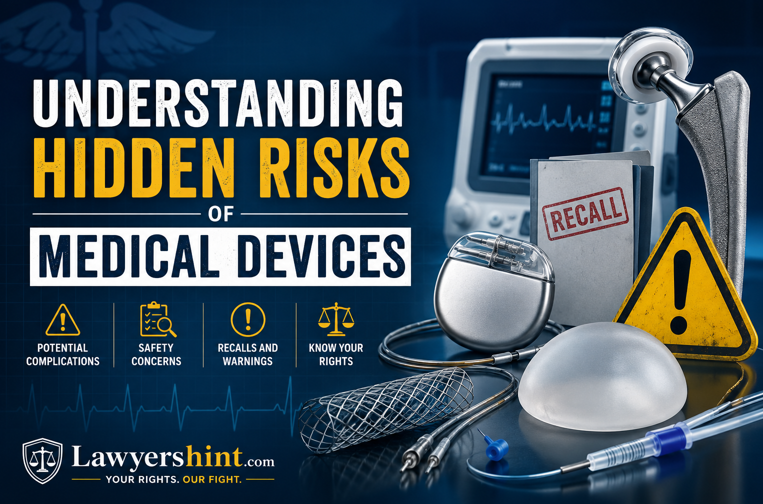

Learn about the hidden risks of medical devices, potential complications, recalls, and the legal rights patients should understand.
- Failure Patterns in Routine Care
- What Patients Usually Notice First
- Central Venous Ports: Hidden Hazards
- Orthopedic Hardware: Wear, Loosening, Debris
- Surgical Mesh: Tension, Scarring, Nerve Pain
- Cardiac Devices: Lead Stress and Signal Drift
- Insulin Delivery Gear: Dosing and Skin Injury
- Respiratory Support: Filters, Fit, and Dryness
- Device Recalls: Reading Beyond the Headline
- Questions That Improve Safety Conversations
- Conclusion
Medical devices have become so embedded in routine care that patients do not think twice about the hardware sitting beneath their skin or sustaining their daily routines. Yet pacemakers, surgical mesh, infusion pumps, orthopedic implants, and vascular access ports all carry risks that often go unmentioned in pre-procedure conversations. The recent surge in product liability claims has drawn renewed attention to how these devices are designed, tested, labeled, and monitored after they reach patients.
For patients in St. Louis, MO, recovering from complications tied to a chemotherapy port, the Bard Power Port lawsuit has become a frequent reference point in conversations with oncologists, primary care providers, and family members. Understanding the wider category of hidden device risks helps frame why these claims continue to gain traction and what affected patients should be paying attention to as they review their medical history.
Failure Patterns in Routine Care
Many incidents begin during everyday routines. Repeated flushing, twisting, or repositioning strains junctions and threads. Moisture, heat, and body chemistry can alter polymers, metals, or adhesives over time. Labels that read like code can lead to part mismatches during busy shifts. Checklists, along with careful tracking of lot data, help teams connect clusters sooner and adjust practice before injuries multiply.
What Patients Usually Notice First
Early clues tend to be physical, and are easy to dismiss. New swelling, warmth, redness, or tenderness near an access site can signal irritation or infection. A sudden change in breathing, chest pressure, faintness, or one-sided limb heaviness can suggest a clot or migration. Documenting concerns about the device can help families discuss them more effectively when visiting a clinician.
Central Venous Ports: Hidden Hazards
Implanted ports can reduce needle sticks, yet problems extend beyond the procedure. Catheter fracture, tip shift, or internal blockage can interrupt infusion and raise infection risk. Blood return that becomes sluggish may reflect a kink, fibrin buildup, or a developing clot. Pain with flushing, neck fullness, or new arm swelling deserves prompt evaluation. Clear notes on onset, triggers, and any recent access attempts help guide imaging choices.
Orthopedic Hardware: Wear, Loosening, Debris
Plates, screws, and joint replacements tolerate years of load, but micromotion at a junction can generate debris. Particles may inflame tissue, leading to stiffness, swelling, or deep aching. Loosening can show up as new clicking, altered gait, or reduced range. Insertion can scratch coatings, changing surface behavior. Imaging supports assessment, but changes in symptoms should be followed up as soon as possible.
Surgical Mesh: Tension, Scarring, Nerve Pain
Mesh can reinforce weakened tissue, but the body’s response differs person to person. Scar bands may tighten and pull nearby structures, causing persistent pelvic or abdominal discomfort. Nerve involvement may create burning, electric pain, or sensitivity to light pressure. Infection can creep in slowly, with drainage or low fever. Knowing mesh type, size, and fixation method helps surgeons plan options if revision becomes necessary.
Cardiac Devices: Lead Stress and Signal Drift
Pacemakers and defibrillators depend on stable electrical contact. Leads can fracture, insulation can thin, and sensing can drift as tissue changes. Device checks may reveal abnormal impedance, early battery drain, or irregular capture. Symptoms may include lightheadedness, palpitations, or reduced tolerance for routine activity.
Insulin Delivery Gear: Dosing and Skin Injury
Occlusions, bent cannulas, or compressed sensors can distort readings and can lead to incorrect decisions about dosing. Adhesives may irritate the skin, opening a path for infection at the site. Rotating placement, checking expiration dates, and confirming alarm audibility lowers risk. If symptoms conflict with readings, a confirmatory finger check can prevent severe lows.
Respiratory Support: Filters, Fit, and Dryness
Oxygen and sleep therapy at home depend on steady flow and proper fit. Leaks from a poorly seated mask can reduce benefit and break down facial skin. Dirty filters restrict airflow and strain motors. Dry air can inflame nasal tissue, causing congestion, bleeding, or morning headaches. Clear cleaning schedules are important. A simple log of problems and usage hours helps clinicians adjust settings without guessing.
Device Recalls: Reading Beyond the Headline
Recall notices vary in severity, and the language can confuse families. A correction may mean updated instructions, while a removal suggests higher injury risk. Patients should ask for the unique device identifier, lot number, and implant date. Keeping operative notes, imaging reports, and follow-up summaries in one place can help families take prompt action in the event of a notice.
Questions That Improve Safety Conversations
Better questions improve care. Consider asking the following questions:
- Which complications are most common for this model, and how are they tracked in the clinic?
- What signs need same-day contact, and what changes can wait?
- How long is typical function, and what shortens durability?
- Who answers after hours?
- What steps should be taken if symptoms escalate overnight?
Conclusion
Patients, caregivers, and clinicians share responsibility for noticing early signals, documenting changes, and responding quickly. Clear records and direct questions support safer decisions over time. When complications arise, timely evaluation and reporting help reduce further harm. With informed attention, communities can push for safer design, better training, and better recovery.