
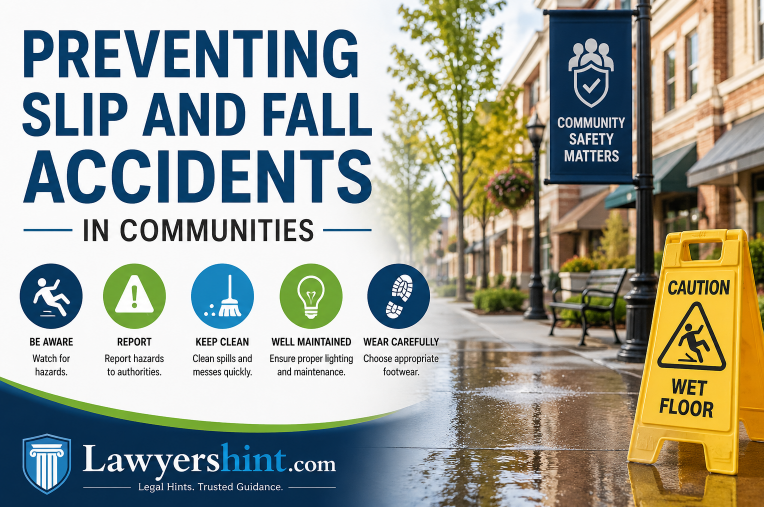

Slip and fall accidents are more than just personal misfortunes; they also signal that public spaces may need safety improvements. Often, a single slip can signal widespread hazards waiting to impact others, prompting communities to take action.
Residents, property managers, and stakeholders benefit from understanding that a slip and fall attorney in atlanta GA can help establish the underlying causes and legal responsibilities when injuries occur. Analyzing these accidents provides a roadmap for identifying dangerous conditions and creating safer environments for everyone.
Many injuries, medical costs, and lost productivity can be prevented when communities focus on the factors that lead to slip-and-fall incidents.
Understanding the Prevalence of Slip and Fall Accidents
Recent statistics show an uptick in slip-and-fall incidents, especially in cities and high-traffic public areas. In California, for example, authorities noted a measurable rise in such accidents, triggering a deeper investigation into environmental and management practices. These trends signal that similar challenges may be present in other states as well, underscoring the need for proactive safety planning nationwide.
This pattern is especially alarming in older neighborhoods and commercial districts, where infrastructure may not have kept pace with community needs. Public health agencies and safety advocates agree that sharing data on these incidents raises awareness and helps direct resources toward effective solutions.
Common Causes of Slip and Fall Incidents
Understanding what causes most slip-and-fall accidents can guide targeted improvements. Some of the most common risk factors include:
- Poor Maintenance: Damaged, uneven sidewalks, broken tiles, and deteriorating steps pose serious hazards to pedestrians.
- Weather Conditions: Rain, snow, and especially the combination of ice and snow, which has been described as “snowcrete,” make walking treacherous in the winter months. Public spaces such as parks and outdoor stairs become especially risky.
- Inadequate Lighting: When pathways and communal areas are poorly lit, it is difficult for anyone to see hazards until it is too late.
The Impact of Slip and Fall Accidents on Public Safety
Slip and fall injuries can have severe physical and financial consequences. Broken bones, head injuries, and hospital stays are common results. In serious cases, these incidents may trigger significant healthcare costs and time away from work. When accidents are frequent, insurance premiums for property owners can rise, thereby increasing community expenses. The cumulative effects make safety best practices a public good rather than just an individual concern.
Beyond financial costs, there are longer-term impacts on the quality of life for those injured. Particularly for older adults or people with mobility challenges, a single fall can result in a loss of independence or permanently reduce mobility. The psychological impact, such as loss of confidence while walking outdoors, is often overlooked but can further discourage participation in community life. It is in the public interest to foster environments where all individuals can feel safe to move about freely, regardless of age or physical ability.
Implementing Preventive Measures
It is possible to make public areas safer with planning and vigilance. Property managers and local governments should prioritize:
- Regular Maintenance: Continually inspecting and fixing hazardous areas, such as uneven walkways and cracked pavement, keeps these risks in check.
- Weather Preparedness: Timely snow and ice removal, adequate salting or sanding after storms, and the use of slip-resistant materials can prevent many cold-weather accidents.
- Enhanced Lighting: Adding lighting to entryways, parking lots, and other busy areas helps everyone stay alert to potential dangers.
Additional strategies include installing handrails on stairs and ramps, using visual or tactile cues to signal elevation changes, and providing public education on recognizing and reporting hazards. Collaborations between municipalities, local businesses, and advocacy groups can result in cost-effective safety upgrades and promote a culture of shared accountability.
Legal Implications and Responsibilities
Property owners and government agencies have a legal duty to keep their premises reasonably safe. If they fail to address known hazards, they may be held liable for any injuries that occur. Victims of slip-and-fall accidents often seek legal guidance to determine whether negligence played a part and to recover costs for medical care, lost wages, and other damages.
Understanding legal responsibilities motivates owners to stay proactive about safety conditions. Liability can extend beyond the immediate owner to include third-party vendors or service providers responsible for maintenance or repairs. This web of responsibility emphasizes the importance of clear contracts, thorough recordkeeping, and prompt response to any incident reports. Proactive legal compliance not only reduces risk for businesses and property managers but also demonstrates a genuine commitment to public well-being.
Community Involvement in Safety Improvements
Communities can take a collaborative approach to safety. Residents are often the first to spot dangerous sidewalks, dark areas, or icy patches. Reporting hazards, participating in city safety audits, and advocating for repairs allows everyone to play a part in accident prevention. Open communication between residents and property owners helps ensure repairs happen promptly and that public input shapes local safety priorities.
Hosting safety awareness campaigns, neighborhood walk-throughs, and outreach to vulnerable groups, such as older adults or those with disabilities, expands the reach and effectiveness of injury prevention efforts. Community groups working with local government may also seek grant funding for infrastructure enhancements or to subsidize improvements on private property that have a public benefit. Fostering these partnerships lays the foundation for more resilient and inclusive public spaces.
Conclusion
Slip-and-fall accidents serve as important reminders that safety in public spaces requires continuous attention, maintenance, and adaptation. These incidents often highlight underlying issues such as uneven surfaces, poor lighting, weather-related hazards, or delayed repairs that might otherwise go unnoticed. Communities that take a proactive approach to identifying and addressing these root causes benefit from safer walkways, healthier residents, and reduced financial burdens related to injuries and liability.
Regular inspections, timely maintenance, and clear safety standards all play a key role in prevention. In addition, involving community members encourages shared responsibility and helps ensure hazards are reported and resolved quickly. By prioritizing prevention and collaboration, public spaces can become more accessible, welcoming, and secure for everyone who uses them, ultimately fostering a stronger sense of trust and well-being within the community.