
Learn how GDPR compliance, consent tracking, and digital agreements help businesses manage privacy laws and reduce legal risks online.
Digital privacy laws are changing how businesses collect, process, and store customer information online. Companies operating websites, mobile apps, SaaS platforms, and eCommerce stores now face increasing pressure to comply with strict data protection regulations.
Laws such as the General Data Protection Regulation (GDPR) and the California Consumer Privacy Act (CCPA) require organizations to use transparent data practices and maintain clear records of user consent.
As privacy enforcement becomes stricter worldwide, businesses must implement reliable systems that protect user data while reducing legal risk. One of the most important parts of modern compliance involves obtaining and documenting valid digital consent.
Understanding GDPR and Digital Privacy Laws
The GDPR became effective in 2018 and remains one of the most influential privacy regulations globally. Although it originated in the European Union, the law applies to any organization that processes the personal data of EU residents, regardless of where the company operates.
The regulation focuses on several key principles, including:
- Transparency in data collection
- Lawful processing of personal information
- User consent requirements
- Data security obligations
- Consumer rights over personal data
Businesses that fail to comply with GDPR requirements may face financial penalties, legal disputes, and reputational damage.
Why Consent Management Matters
Modern privacy laws require businesses to prove that users clearly agreed to the collection or processing of their personal information. Consent must be:
| GDPR Consent Requirement | Explanation |
| Freely Given | Users must have a genuine choice |
| Specific | Consent must apply to a defined purpose |
| Informed | Users must understand what they accept |
| Unambiguous | Acceptance must involve clear action |
| Documented | Businesses must keep proof of consent |
This means pre-checked boxes or hidden disclosures are often insufficient under modern regulations.
To manage these requirements effectively, many organizations now use specialized clickwrap software to create enforceable digital agreements and maintain compliance-ready audit records.
What Is Clickwrap Consent?
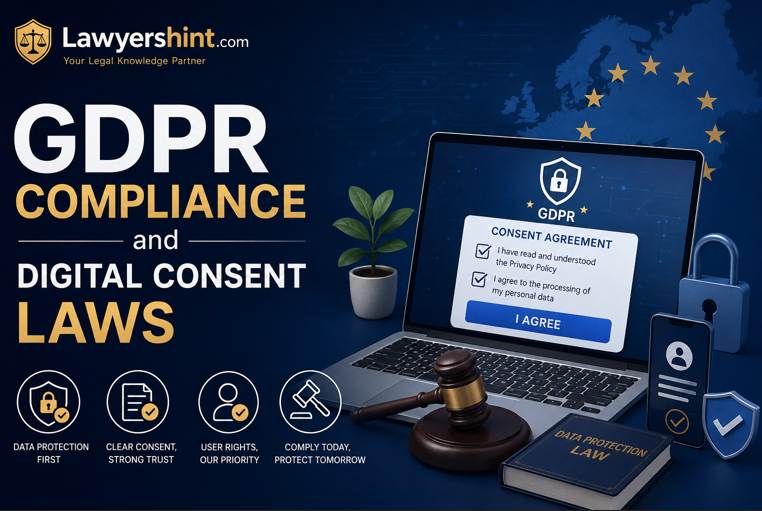
Clickwrap agreements require users to actively click an “I Agree” button or checkbox before accessing a service, downloading software, or creating an account. Courts generally consider clickwrap agreements more enforceable than passive browsewrap agreements because users take a direct affirmative action.
Businesses commonly use clickwrap systems for:
- Terms of service agreements
- Privacy policy acceptance
- Cookie consent notices
- SaaS onboarding
- Software licensing agreements
- Data processing disclosures
A properly designed clickwrap process helps businesses create stronger evidence of consent while improving transparency with users.
The Legal Importance of Consent Records
Regulators increasingly expect businesses to maintain detailed consent records. During an audit or legal dispute, organizations may need to prove:
- The exact agreement shown to the user
- The date and time of acceptance
- IP address and device information
- The version history of the agreement
- Evidence of user interaction
Without reliable documentation, businesses may struggle to defend the enforceability of their agreements or demonstrate compliance with privacy regulations.
This is especially important for companies that frequently update their terms, policies, or compliance disclosures.
Privacy Compliance Challenges for Businesses
Many organizations underestimate how difficult privacy compliance can become as digital operations grow. Businesses often manage customer data across multiple systems, departments, and third-party platforms.
Common compliance challenges include:
Managing Multiple Regulations
Businesses may need to comply with GDPR, CCPA, UK GDPR, and other regional privacy laws simultaneously.
Tracking User Consent
Organizations must maintain accurate records of consent across websites, apps, and digital products.
Updating Legal Agreements
Privacy policies and terms of service often require regular updates as regulations change.
Securing Customer Data
Businesses must protect personal information from breaches, unauthorized access, and misuse.
Responding to User Requests
Modern privacy laws give consumers rights to access, correct, or delete their personal data.
How Privacy Compliance Supports Customer Trust
Privacy compliance is no longer only about avoiding penalties. Consumers are becoming more aware of how businesses use their personal information online. Companies that prioritize transparency and data protection often build stronger customer relationships.
Clear privacy practices can help businesses:
- Improve customer confidence
- Reduce legal exposure
- Strengthen brand reputation
- Increase transparency
- Support long-term operational stability
Organizations that fail to handle privacy responsibly may experience reputational harm that extends beyond regulatory fines.
The Future of Digital Privacy Compliance
Privacy laws continue evolving worldwide. Governments are introducing stricter regulations related to data collection, behavioral tracking, artificial intelligence, and cross-border data transfers.
As compliance requirements become more complex, businesses will need scalable systems capable of managing user consent, agreement records, and data governance efficiently.
Investing in strong compliance infrastructure today can help organizations prepare for future legal obligations while improving operational reliability.
Final Thoughts
Digital privacy compliance has become a critical part of modern business operations. Regulations like GDPR require organizations to maintain transparent data practices and reliable consent management systems.
Using tools such as clickwrap software can help businesses create enforceable agreements, improve documentation, and support compliance efforts across digital platforms.
As privacy laws continue expanding globally, businesses that prioritize transparency, accountability, and secure consent management will be better positioned to reduce legal risks and maintain customer trust.