
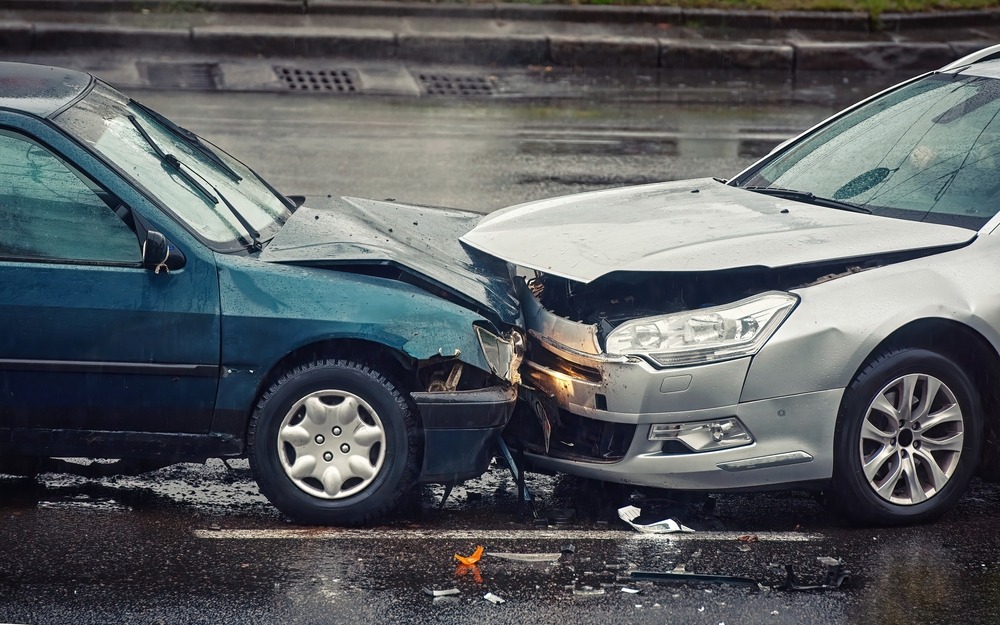

A crash may last seconds, yet the claim can stretch for months. Many people think the other driver caused the wreck, the damage is clear, and payment should follow quickly. That neat picture often falls apart once insurers begin asking questions and records start getting reviewed. Understanding the actions to take after a car accident can help preserve important evidence and strengthen your claim. Facts become disputed, injuries get examined, and every cost needs proof.
People usually discover the complexity only after stress begins to rise. Early guidance and smart car crash legal representation can make the road easier to understand. Claims look simple from far away, but the closer you get, the more layers appear.
Fault Is Not Always Clear
Many car accident claims become difficult because blame is not instantly agreed upon. One driver may say the light was green, while the other insists it was red. A lane change may seem obvious to one side and denied by the other. Without proof, both stories can remain alive.
That is why evidence matters so much. Photos, witness statements, traffic camera footage, and police reports often shape the outcome. Some cases also involve shared fault, where both drivers may carry part of the blame. Once that happens, payment discussions become more complicated and slower to resolve.
Injuries Can Change Over Time
A person may walk away from a crash and still face pain later. Neck strain, back issues, headaches, or soft tissue injuries sometimes appear after the first rush has passed. This can create doubt because insurers may ask why symptoms were not reported immediately.
Medical records help connect the injury to the crash. Doctor visits, scans, therapy notes, and prescriptions show how the condition developed. If treatment stops early or records are incomplete, the claim can lose strength. What feels minor in week one may become serious after more time and evaluation.
The Money Side Gets Complicated
People often think claims cover car repairs and one medical bill. Real losses are usually broader than that. Missed work, reduced income, rental costs, medicine, therapy, and future treatment can all become part of the value discussion.
That is why a car accident lawsuit may involve wage records, estimates, invoices, and expert opinions. Numbers must be supported carefully. If someone guesses costs or forgets certain losses, the claim may be valued lower than it should be. Strong documentation gives financial damage a clear and believable shape.
Insurance Companies Review Everything
Insurance companies are businesses, and claims are reviewed closely. Adjusters often study damage photos, treatment records, prior injuries, and driver statements before offering payment. They may ask detailed questions that seem routine but can affect how the case is viewed.
Fast offers sometimes arrive before the full cost of recovery is known. A settlement can feel tempting during financial pressure, yet accepting too early may close the door on later losses. Patience often matters more than people expect once numbers are placed on the table.
Missing Details Can Hurt Strong Claims
Some claims are weakened not by bad facts but by missing facts. Small gaps can create big problems later.
- No photos from the scene.
- No witness contact details.
- Delay in medical treatment.
- Incomplete repair estimates.
- Missed deadlines or forms.
- Conflicting written statements.
Each missing piece gives the other side room to question what happened. Organized records often make average claims stronger and difficult claims easier to understand.
Conclusion
Car accident claims are harder than they look because they mix law, medicine, money, timing, and strategy all at once. A clear crash scene does not always create a clear result. Proof must be gathered, injuries must be shown, and losses must be explained with care.
People who treat the process seriously from day one usually stand in a better position later. Waiting, guessing, or rushing can damage even fair claims. Reliable car crash legal representation often helps turn confusion into structure and keeps attention on building a case that can stand up under pressure.