

Learn what to do if you’re contacted about a warrant, your legal rights, and the steps to protect yourself and respond appropriately to avoid trouble.
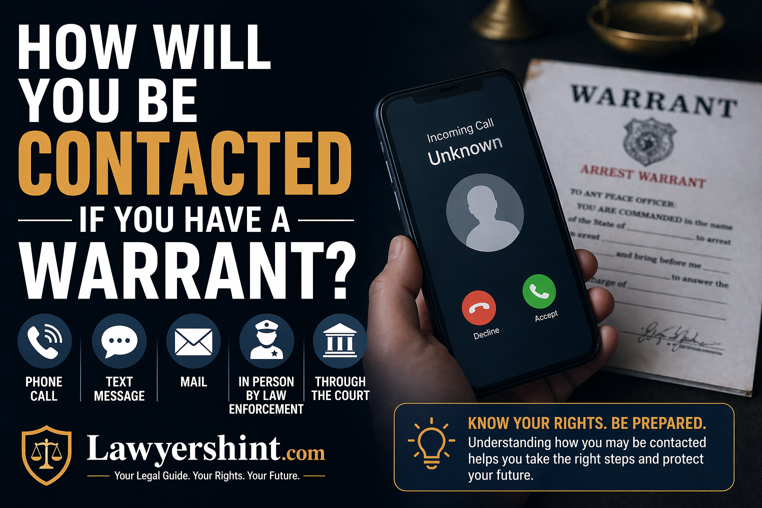
If you are wondering how will you be contacted if you have a warrant, the answer may not be what you expect. In most cases, there is no formal or direct notification before action is taken. Instead of receiving a phone call or official warning, many people only find out about a warrant through indirect situations or in-person contact.
Understanding how this works can help you avoid surprises and take the right steps if needed.
Direct Notification Is Uncommon
Law enforcement typically does not reach out ahead of time to inform someone about an active warrant. Phone calls, emails, or letters are not the usual method because advance notice could give someone the opportunity to avoid arrest.
Because of this, many people are unaware a warrant exists until they encounter law enforcement directly.
Common Ways People Find Out
Even without direct contact, there are several ways someone may learn about an active warrant.
In-Person Contact
One of the most common ways is through direct interaction with law enforcement. This can happen during:
- A traffic stop
- A routine check or investigation
- A visit to your home or workplace
If a warrant is active, officers have the authority to take you into custody when they encounter you.
Court or Mail Notices
In some cases, you may receive a notice related to a court date or legal matter. While this is not always a clear warning of a warrant, missing required court appearances can lead to one being issued.
Background Checks or System Flags
A warrant may also surface during:
- Employment background checks
- License or record reviews
- Legal or administrative processes
These situations can reveal an issue even if you were not previously aware of it.
Online or Legal Inquiries
Some people discover a warrant when checking court records or working with a lawyer. Legal professionals can often verify whether a warrant exists through official channels.
Possible Signs Before You Are Notified
There are situations that may suggest a warrant has been issued, even without confirmation:
- Missing a scheduled court appearance
- Receiving notices about unresolved legal matters
- Experiencing issues with your driver’s license or records
While these signs do not guarantee a warrant, they can indicate that further action may be needed.
Why You Might Not Be Told Right Away
Warrants are issued by a court and entered into law enforcement systems. Once active, officers can execute the warrant at any time. Because of this, there is often no requirement to notify the individual beforehand.
In many cases, people only become aware of the situation when the warrant is enforced in person.
What to Do If You Suspect a Warrant
If you believe there may be a warrant in your name, it is important to handle the situation carefully.
Common next steps include:
- Checking with the appropriate court or legal authority
- Consulting a qualified attorney
- Addressing the issue proactively instead of waiting for enforcement
Taking action early can help you understand your options and avoid unexpected complications.
Understanding the Process
So, how will you be contacted if you have a warrant? Most of the time, you will not be contacted in a direct or obvious way. Instead, people often find out through real-world interactions, legal notices, or background checks.
Being aware of how warrants are typically handled can help you stay informed and better prepared if a situation arises.