
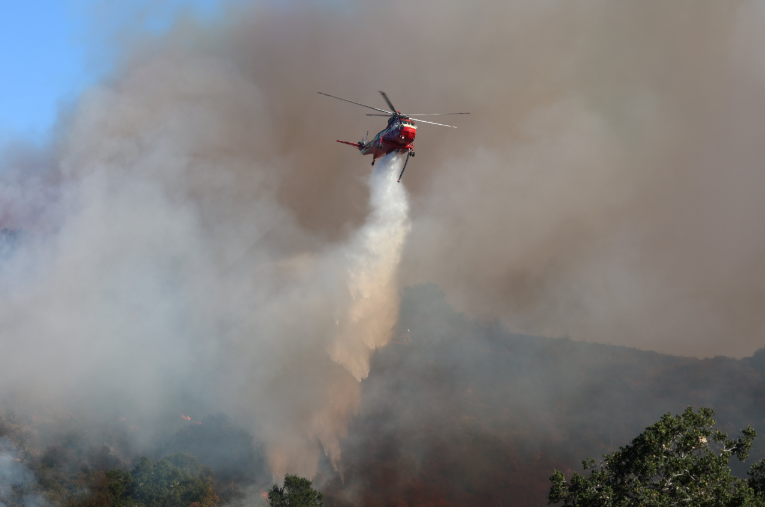

Wildfires are a growing threat in many parts of the world, with the Western United States facing a particularly high risk due to its dry climate, dense vegetation, and changing weather patterns. These disasters endanger lives, homes, and entire communities, making proactive planning essential. Many property owners turn to a wildfire attorney in California for guidance and support after suffering losses, but the best defense begins with preparation. Thoughtful steps taken before an emergency can help reduce property damage and increase the likelihood of a safe evacuation.
Preparedness involves more than maintaining a clear yard or watching the weather. True resilience requires community-wide efforts, up-to-date knowledge, and the use of the latest technology. By coordinating individual and collective actions, neighborhoods can stand stronger against the threat of fire.
Understanding Wildfire Risks
Wildfire risk factors vary from region to region, but several key factors drive the danger: hot temperatures, low humidity, prolonged drought, and abundant dry vegetation. Human activity also plays a significant role, as many wildfires begin with unattended campfires, discarded cigarettes, or equipment sparks. Communities with a solid understanding of these risks are better equipped to take targeted action.
The National Interagency Fire Center notes that early detection and risk evaluation are essential steps, whether you are living in a rural area or a wildland-urban interface. Monitoring local fire danger indices and understanding your area’s fire history can help you prepare smarter.
Creating Defensible Space
Establishing a defensible space means maintaining a buffer zone between buildings and flammable vegetation. This strategy reduces the risk of a fire reaching and igniting your property. Fire agencies recommend breaking your defensible space into zones: the first 30 feet nearest your home should be maintained as a lean, green, and clean space, with dead plants, leaves, and overhanging branches cleared regularly. Between 30 feet and 100 feet, reduce vegetation density and keep grass mowed short, as these efforts slow down the spread of a wildfire and provide a safe area for firefighters to defend your home if necessary.
Home Hardening Techniques
Upgrading homes with fire-resistant features, known as home hardening, improves survivability in wildfire zones. Embers are responsible for most home ignitions, so sealing gaps and using specific building materials makes a big difference. Non-combustible roofing materials, ember-resistant vents, and tempered glass windows are all recommended. Sealing eaves, soffits, and decks also prevents ember entry.
The California Governor’s Office recently stressed the importance of home hardening during Wildfire Preparedness Week, encouraging all homeowners to assess and upgrade their properties whenever possible. Home hardening is not just about materials. Regular inspections and maintenance are just as important to avoid unnoticed vulnerabilities.
Developing Evacuation Plans
Effective evacuation planning can save lives when a wildfire strikes. Key steps include identifying multiple escape routes, communicating with neighbors and local authorities, and assembling emergency supply kits. Every family should practice these plans so everyone knows what to do under pressure.
Guidance from the National Institute of Standards and Technology highlights the need for redundant routes and communication methods, as wildfires can rapidly alter conditions. Ensuring that your plan accounts for pets and individuals with special needs will help you avoid last-minute confusion.
Community Engagement and Education
Preparedness is much more powerful when an entire community works together. Local fire departments often host safety fairs and educational seminars to inform residents about current risks and best practices. Community groups can organize neighborhood cleanups, establish phone trees, and help neighbors create evacuation checklists.
The Federal Emergency Management Agency recommends partnering with local organizations to reach hard-to-engage populations and coordinate resources more effectively. Preparedness events can raise awareness, and education campaigns provide residents with up-to-date advice before the fire season begins.
Policy and Infrastructure Improvements
Good policy and reliable infrastructure form the backbone of successful wildfire preparedness. This includes dedicated emergency communication lines, resilient power and water systems, and clear land-use guidelines for fire-prone zones. Community leaders and local governments play a key role in investing in these improvements and advocating for state and federal support.
The Environmental Health Sciences Center calls for a community-wide approach, highlighting that effective infrastructure is vital for emergency response and recovery. Neighborhood fire-safe councils and local governments can work together to identify vulnerabilities and strengthen regional resources.
Final Thoughts
While the risk of wildfire cannot be eliminated entirely, taking proactive steps such as understanding local fire risks, preparing defensible space, improving home resilience, and developing community-driven plans dramatically increases the odds of staying safe. Education, investment in technology, and governmental support combine to form the strongest protections for families and neighborhoods. By working together and staying informed, communities can safeguard their future against growing wildfire threats.