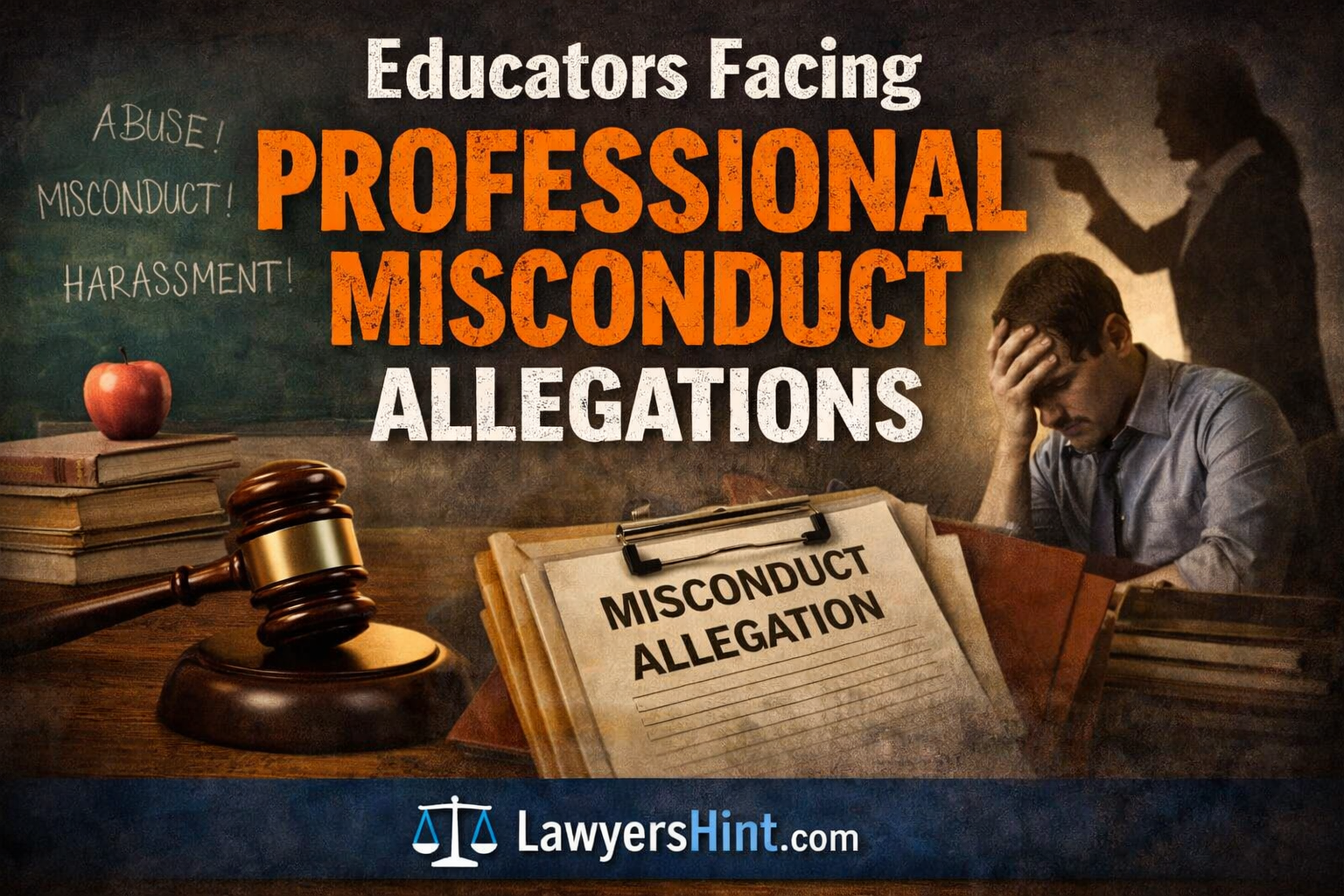

Educators dedicate their careers to guiding students and creating safe, productive learning environments. However, teacher allegations of misconduct can arise unexpectedly, creating stress, uncertainty, and potential risk to careers. Understanding professional misconduct, the school investigation process, and the rights and responsibilities of educators is essential for protecting both your professional standing and students.
In addition, knowing how Teacher Licensing defense works can be crucial when allegations threaten your ability to maintain or renew your teaching credentials. Early awareness and proper guidance are key to navigating these situations successfully.
Understanding Professional Misconduct
Definition and Scope of Misconduct
Professional misconduct refers to behavior that violates ethical codes, legal standards, or professional responsibilities. It can include actions that endanger students, breach school policies, or undermine the teaching profession. Misconduct may occur in the classroom, online, or outside of school if it affects professional duties.
Examples of Misconduct in Education
Common examples include inappropriate interactions with students, falsifying records, mishandling confidential information, failure to follow safety procedures, or other violations of professional standards. Understanding what constitutes misconduct helps educators prevent situations that could lead to allegations.
Legal and Ethical Standards for Educators
Teachers are held to both ethical and legal standards. Following school policies, state regulations, and professional codes is essential not only for protecting students but also for maintaining compliance and credibility. Awareness of these standards prepares educators to respond effectively in cases of teacher misconduct.
Rights and Responsibilities of Educators
Educator Rights During Investigations
Teachers under investigation have the right to receive notice of allegations, respond with evidence, and seek professional guidance. Understanding your legal right to education protections and due process is crucial during the school investigation process. Legal support ensures interviews, documentation requests, and disciplinary procedures are navigated safely.
Mandatory Reporting Obligations
Educators are legally required to report suspected misconduct or abuse. Failure to do so may result in civil or professional consequences. Awareness of these duties protects students and maintains compliance with the law.
Protections for Reporting in Good Faith
Many jurisdictions protect educators who report misconduct in good faith from retaliation or liability. These protections encourage responsible reporting and promote a safe educational environment.
The Allegation and Investigation Process
How Allegations Are Made
Allegations may come from parents, students, colleagues, or administrators. Once a complaint is filed, the school investigation process begins, including interviews, document reviews, and witness statements. Knowing how complaints are initiated helps educators prepare appropriate responses.
Internal School or Employer Investigations
Schools conduct initial investigations to gather facts, interview witnesses, and determine if allegations are substantiated. Teachers may be asked to provide statements or documents. Responding carefully is critical for protecting professional standing.
Regulatory and Licensing Body Investigations
State education agencies or professional boards may also conduct independent investigations. These agencies evaluate whether misconduct warrants disciplinary action, including suspension or revocation of a teaching license. Understanding this process is essential when considering Teacher Licensing defense options.
Steps Educators Should Take When Notified
Key steps include reviewing the notice carefully, preserving relevant documentation, and seeking professional guidance. Early preparation strengthens your position and ensures accurate responses during investigations.
Possible Outcomes and Consequences
Disciplinary Actions by Employers
Employers may issue written reprimands, require additional training, place teachers on probation, or terminate employment. The severity typically depends on the evidence collected during the school investigation process.
Sanctions from Regulatory Authorities
Licensing boards may impose sanctions independently, including probation, suspension, mandated professional development, or permanent revocation of teaching credentials. Knowing these potential consequences helps educators make informed decisions.
Prohibition from Teaching and Licensing Implications
Serious misconduct can lead to restrictions preventing teaching in any setting. Understanding these outcomes highlights the importance of Teacher Licensing defense to protect licensure and long-term career prospects.
Seeking Support and Guidance
Legal Advice and Representation
Educators facing allegations should engage legal counsel experienced in education law. Professional guidance helps teachers understand their rights, respond effectively to allegations, and navigate both employer and regulatory investigations. Knowledge of Teacher Licensing defense strategies is crucial for preserving teaching credentials.
Union or Professional Association Support
Unions and professional associations offer additional protections during meetings or hearings. Working with legal counsel ensures educators understand their rights and obligations while facing investigations.
Documentation and Evidence Management
Maintaining accurate records of communications, incident reports, and policies strengthens a teacher’s ability to defend against allegations. Proper documentation demonstrates accountability and adherence to professional standards.
Preventative Measures
Maintaining Professional Boundaries
Clear professional boundaries with students and colleagues reduce the risk of allegations. Adhering to ethical codes and professional guidelines is essential for maintaining trust and credibility.
Staying Informed on Policies and Regulations
Regularly reviewing school policies, state laws, and professional standards helps educators stay compliant and prevent unintentional violations.
Best Practices to Minimize Risk
Proactive steps, including thorough documentation, ongoing professional development, and following reporting obligations, reduce exposure to cases of teacher misconduct and support a safe school environment.
How Bilello & Soowal, PLLC Can Help
Facing teacher allegations of misconduct can be overwhelming, but the right legal support can make a meaningful difference. Professionals experienced in Teacher Licensing defense help educators protect their rights and navigate the school investigation process with confidence.
Take Action With a Teacher Licensing Defense Attorney
If you are facing allegations, acting quickly is essential. A Teacher Licensing defense attorney can help you:
● Review your case and evidence
● Explain your rights and options
● Prepare a strong response to allegations
● Guide you through interviews or hearings
● Protect your teaching license and reputation
Contact Bilello & Soowal, PLLC, today to safeguard your career. Early guidance can significantly improve the outcome of your case.