
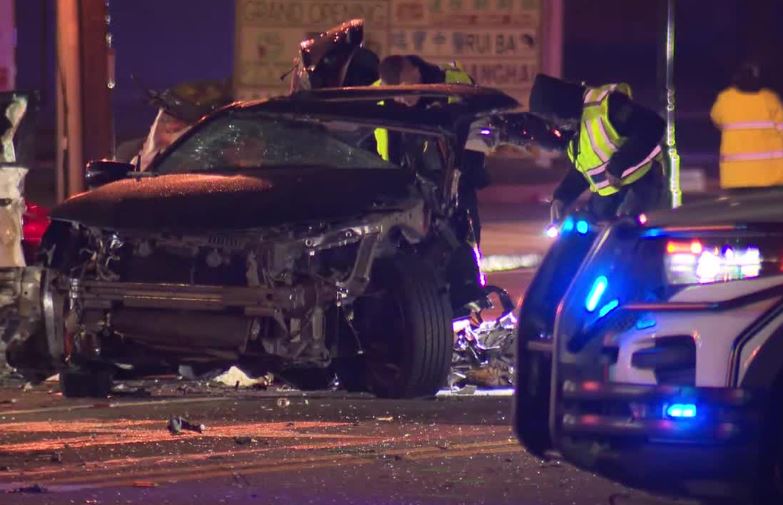

Drunk driving crash in Atlanta explained with key steps to take, legal options, and evidence needed to protect your rights after an accident.
- Contact an Attorney
- 1. Get to a safe place and call 9-1-1
- 2. Get checked by medical staff
- 3. Cooperate with police and support DUI testing
- 4. Collect your own evidence at the scene
- 5. Exchange information, but watch your words
- 6. Call your insurance company the right way
- 7. Track costs, injuries, and life changes
- 8. Understand how drunk driving affects Atlanta families
- 9. Protect your rights under Georgia law
- 10. Reach out for support
- Frequently Asked Questions: Drunk Driving Crash in Atlanta
A drunk or impaired driver can shatter your sense of safety in one violent moment. You may feel shock, anger, and confusion all at once. You might not know who to call, what to record, or how to protect your rights under Georgia law. Every choice you make after the crash can affect your health, your money, and your case.
Immediate medical care, honest communication with police, and careful tracking of evidence all matter. So does what you avoid saying to insurance companies. You do not have to face this alone. A DWI accident lawyer can guide you through each step and help you stand up to pressure from insurers and the other driver. This guide walks you through what to do in Atlanta after a drunk driving crash so you can protect your body, your income, and your future stability.
Contact an Attorney
Law Office of James T. Ponton
7000 Peachtree Dunwoody Rd Building 1, Suite 201
Atlanta, GA 30328
1. Get to a safe place and call 9-1-1
First move your body out of danger. If you can, step to the side of the road. Turn on hazard lights. Keep kids and older adults away from traffic.
Then call 9-1-1. Tell the operator you suspect drunk or drugged driving. Give the location, the number of cars, and any clear injuries.
Stay at the scene until police say you can leave. Leaving early can hurt your case and can put others at risk.
2. Get checked by medical staff
Next let a doctor or paramedic check you. Even if you feel fine, your body may hide pain. Head, neck, and back injuries often show up hours later.
Ask for a full exam. Tell the doctor every ache, no matter how small. Simple honesty protects your health and your claim.
The Centers for Disease Control and Prevention explains how crash forces harm the body and why seat belts and quick care matter. You can read more on the CDC site at cdc.gov.
3. Cooperate with police and support DUI testing
Police reports carry strong weight in drunk driving cases. You help your case when you answer questions with calm, clear facts.
- Share what you saw, heard, and smelled
- Point out open cans, bottles, or drug items
- Tell officers if the other driver stumbled or slurred words
Encourage officers to run breath or blood tests. You do not control those tests. Yet your clear request shows concern and supports your story later.
4. Collect your own evidence at the scene
Evidence fades fast. Lights change. Cars move. Memories slip. Simple steps at the scene can protect you.
- Take wide photos of all cars from many angles
- Take close photos of damage, skid marks, and broken glass
- Photograph street signs, traffic lights, and nearby cameras
- Write or record short notes about what happened
Ask for names and contact details for witnesses. Ask if any person took video on a phone. That video can show clear signs of impairment.
5. Exchange information, but watch your words
You must exchange basic information with the other driver. Keep it short.
- Full name and phone number
- License plate and driver license number
- Insurance company and policy number
Do not argue. Do not apologize. Do not say you feel fine. Simple statements can get twisted later. Use calm, neutral words.
6. Call your insurance company the right way
Next call your own insurer. Report the crash soon. Many policies require fast notice.
Give facts. Do not guess about speed, distances, or fault. Tell the adjuster you will share more details after you speak with legal counsel, such as a truck accident lawyer Atlanta if the crash involves larger commercial vehicles.
When the other driver’s insurer calls, you can choose not to give a recorded statement. That choice often protects you.
7. Track costs, injuries, and life changes
Your pain and losses unfold over time. Careful records help prove what you face.
- Keep all medical bills and receipts
- Save pharmacy receipts and device costs
- Ask for work absence notes and pay records
- Write a short daily note about pain and limits
This record shows how the crash affects your home life, sleep, and mood. That human story matters.
8. Understand how drunk driving affects Atlanta families
Drunk and drugged driving harms many Georgia families each year. This simple table gives context.
| Crash impact | What it can mean for you | Key step to take |
|---|---|---|
| Physical injury | Pain, treatment, time away from work | Get prompt medical care and follow orders |
| Property damage | Car repair or loss of vehicle | Photograph damage and keep repair estimates |
| Emotional shock | Fear of driving and sleep problems | Talk with a counselor or doctor |
| Lost income | Missed shifts and lower savings | Save pay stubs and employer letters |
| Legal process | Criminal DUI case and civil claim | Stay in contact with officers and legal counsel |
The National Highway Traffic Safety Administration shares national drunk driving data and safety tips at nhtsa.gov. You can use that information to talk with teens and older family members about safe choices.
9. Protect your rights under Georgia law
Georgia law treats drunk and impaired driving with serious weight. You may seek payment for:
- Medical treatment and future care
- Lost income and reduced earning power
- Pain, fear, and loss of normal life
- Car repair or replacement
There are time limits. If you wait too long, you may lose your right to bring a claim. Quick action keeps options open.
10. Reach out for support
You do not have to carry this alone. Family members can help track bills and appointments. Community groups and faith leaders can offer steady support.
Local victim support programs can also guide you through court dates and paperwork. Ask the responding officer for contact information for victim advocates in Fulton, DeKalb, Cobb, or nearby counties.
Each step you take after a drunk driving crash can move you from shock toward control. With clear records, honest care, and strong support, you can protect your health, your family, and your future stability in Atlanta.
Frequently Asked Questions: Drunk Driving Crash in Atlanta
What should I do after a drunk driving crash in Atlanta?
After a drunk driving crash in Atlanta, call 911, seek immediate medical care, document the scene, collect witness details, and contact a lawyer before speaking with insurers.
How is fault determined in a drunk driving crash in Atlanta?
Fault in a drunk driving crash in Atlanta is established using police reports, DUI test results, witness statements, dashcam footage, and accident reconstruction evidence.
Can I file a lawsuit after a drunk driving crash in Atlanta?
Yes. Victims of a drunk driving crash in Atlanta can file a personal injury lawsuit to seek compensation for medical expenses, lost income, and pain and suffering.
Are punitive damages available for a drunk driving crash in Atlanta?
Yes. Georgia law allows punitive damages in drunk driving crash cases to punish reckless conduct and discourage future DUI offenses.
What if the driver was uninsured in a drunk driving crash in Atlanta?
If the at-fault driver is uninsured, you may recover compensation through your uninsured/underinsured motorist coverage or other liable parties.
How long do I have to file a claim after a drunk driving crash in Atlanta?
Georgia law generally allows two years from the date of the drunk driving crash in Atlanta to file a personal injury claim.
Can bars or restaurants be liable for a drunk driving crash in Atlanta?
Yes. Under Georgia dram shop laws, bars or restaurants may be held responsible if they knowingly served alcohol to an intoxicated person who caused the crash.