
The evolving landscape of work has made it more critical than ever for organizations and individuals to understand labor regulations. Employment lawyers are specialists who help navigate the intricate rules and statutes that govern the employer-employee relationship. Whether dealing with contract formation, workplace disputes, or changes in legislation, their expertise often marks the difference between costly legal conflict and smooth workplace operations. Those seeking the best employment lawyers in Colorado Springs can significantly benefit from this expert legal counsel.
The legal framework surrounding employment is multifaceted and routinely updated, requiring continuous attention to new legal precedents and compliance guidelines. Employment lawyers serve as trusted advisors, ensuring companies operate within the law while supporting fair treatment of workers. Their practical, in-depth knowledge extends beyond litigation, assisting with internal policies, hiring practices, and dispute resolution—crucial aspects in maintaining a healthy professional environment.
Whether addressing wage and hour issues or anti-discrimination policies, employment law professionals ensure that employer practices and employee rights are not just theoretical aspirations but practical realities upheld in the workplace. As remote work, gig economy positions, and evolving regulations take hold, legal advice is not simply reactive but proactive. This changing role underscores the growing need for expert legal professionals in today’s work environment.
For employers, having clear and thorough employment policies not only minimizes risk and legal exposure but also improves workplace morale and employee retention. Likewise, employees turn to these legal experts for protection and advocacy, especially in cases involving termination, discrimination, or contract disputes. For a detailed breakdown of labor rights and duties, reputable sources such as the Society for Human Resource Management (SHRM) provide further guidance.
Understanding Employment Law
Employment law is a broad domain that encompasses statutes and regulations governing wage standards, workplace safety, discrimination, benefits, and terminations. Specific laws, such as the Fair Labor Standards Act, establish national standards for the minimum wage and overtime. At the same time, the Occupational Safety and Health Act ensures workplace safety. Anti-discrimination laws, such as Title VII of the Civil Rights Act, protect workers from unfair practices based on race, color, religion, sex, or national origin.
The interpretation and application of these laws often require a nuanced understanding, as some rules are federal, others state or local, and they may shift in response to court decisions or legislative amendments. Employment lawyers stay updated on these changes, helping both employers and employees understand their rights, duties, and the consequences of non-compliance.
Drafting and Reviewing Employment Contracts
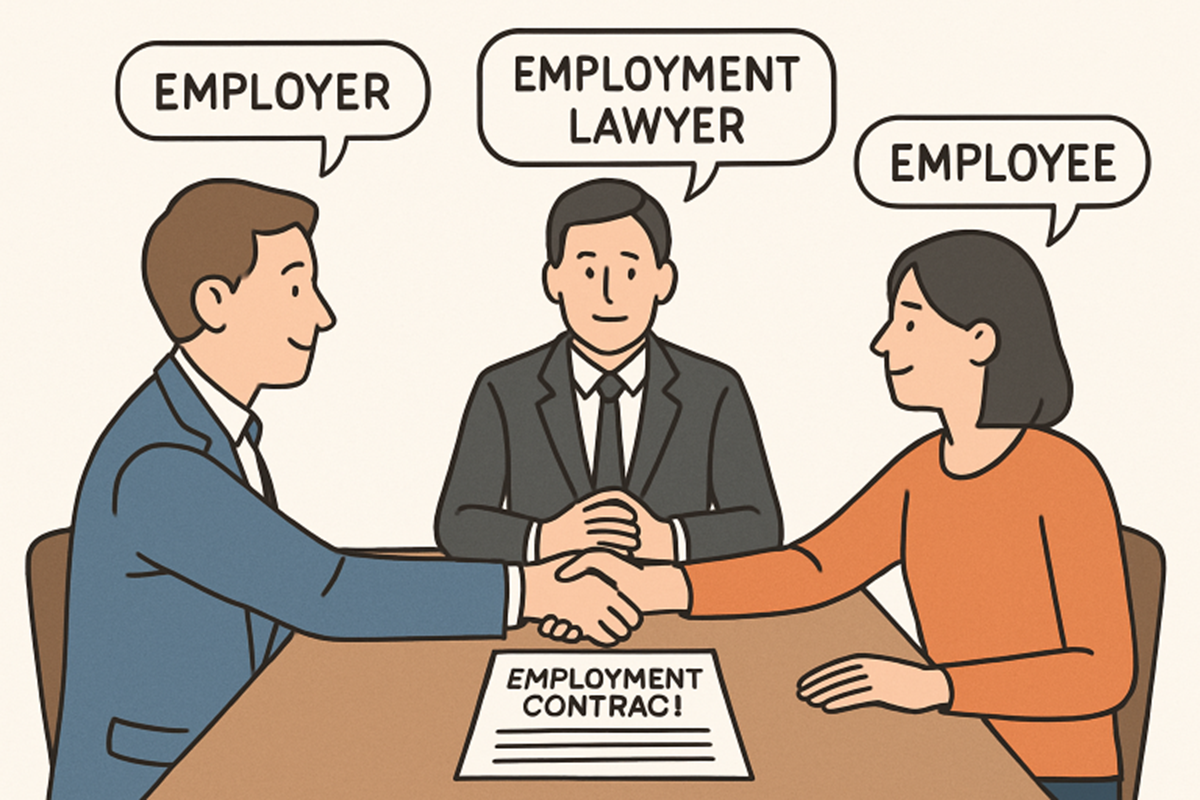
A well-crafted employment contract provides a vital framework for the workplace relationship. It stipulates roles, responsibilities, compensation, benefits, confidentiality agreements, and grounds for termination. Employment lawyers help draft and review these contracts to ensure clarity and enforceability under the law. Their focus is on safeguarding the interests of both parties by addressing potential conflicts before they arise, thus preventing disputes that might escalate into litigation.
Whether it is a straightforward employment agreement or complex executive contracts with detailed severance and non-compete clauses, legal professionals bring invaluable experience. They parse the fine print and ensure compliance with evolving statutes, such as family leave laws or new rules affecting gig workers.
Mediating Workplace Disputes
Disputes in the workplace can emerge over issues such as harassment, discrimination, wage disagreements, or wrongful termination. An employment lawyer’s ability to mediate these conflicts is crucial in finding amicable resolutions. Rather than escalating matters to the courts, these professionals facilitate dialogue, negotiations, and settlements that serve the best interests of both parties. Mediation can help companies and employees maintain positive relationships and avoid the delays and high expenses associated with litigation.
Guiding Policy Development
In today’s complex work environment, organizations require comprehensive personnel policies to manage a range of issues, including employee conduct and performance expectations, remote work protocols, and safety procedures. Employment lawyers play a crucial role in creating and maintaining these policies, ensuring compliance with evolving federal, state, and local regulations. They assist in drafting or updating critical policies, including anti-harassment, equal employment opportunity, leave, travel, and workplace safety guidelines. By combining legal expertise with industry best practices, these professionals help organizations establish clear, enforceable frameworks that protect both employees and the company, reduce legal risks, and foster a fair, well-regulated workplace culture.
Staying Informed on Legal Changes
The legal landscape for employment continually evolves, shaped by court decisions, legislative changes, and new social concerns. Regular updates in areas like wage laws and anti-discrimination protections can have a significant impact on both employers and employees. Employment lawyers have an ongoing responsibility to monitor these changes and alert their clients to necessary adjustments. This proactive approach reduces the risk of legal challenges, facilitating compliance and limiting exposure to penalties or lawsuits.
Reliable resources, such as the New York Times Workplace section, provide insights and news on workplace rules and legal trends, supporting employers and employees as they navigate this fluid environment.
Conclusion
Employment lawyers play a critical role in navigating today’s intricate workplace landscape. With expertise in labor law, employment contracts, dispute resolution, and regulatory compliance, they help organizations operate smoothly while safeguarding employees from legal risks. These professionals advise on hiring practices, workplace policies, and conflict management, ensuring that both employers and staff understand and uphold their rights and responsibilities. By mitigating potential disputes and promoting adherence to legal standards, employment lawyers play a crucial role in fostering fair, transparent, and efficient work environments. Their guidance supports organizational success while protecting individuals, ultimately fostering productive and legally compliant workplaces.