
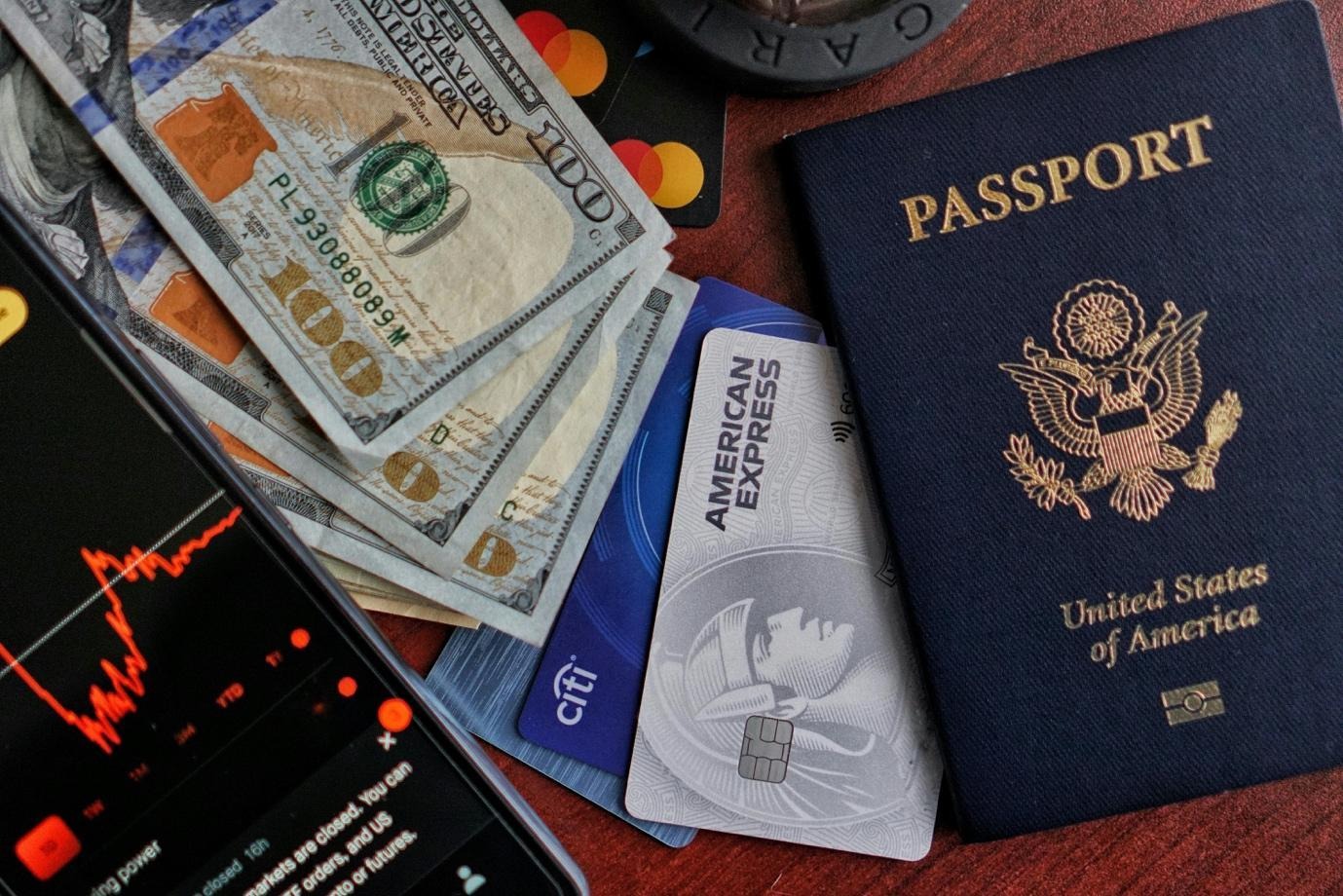

Apply for a U.S. visa with confidence. Learn 3 practical tips to avoid common U.S. visa application mistakes that cause delays, rejections, or denials.
Applying for a United States visa sometimes feels less like filling out a form and more like navigating a maze where one wrong turn can set you back months or even years. Many applicants think that this process is emotionally charged because it is tied to career goals, family reunification, safety, or the simple hope of building a better future.
What makes it more challenging is that visa denials are not always the result of ineligibility. In many cases, they stem from avoidable mistakes, misunderstandings, or incomplete information.
A significant portion of these refusals is based on procedural errors, lack of documentation, or failure to clearly demonstrate eligibility. These are issues that applicants mainly recognize only after receiving a denial notice.
In addition to that, the visa system itself is complex by design. Immigration law in the United States involves overlapping regulations, evolving policies, and strict evidentiary standards. For this reason, even small details matter. A missing supporting document, an inconsistent answer during an interview, or an incorrect assumption about eligibility can raise red flags that are difficult to undo later. Once a mistake is on record, it can follow an applicant into future filings.
This is why understanding how to deal with common visa application mistakes before submitting anything is not just helpful but essential. Preparation is all about clarity, consistency, and presenting a complete picture of your situation in a way that aligns with how immigration officers evaluate cases.
How to Avoid Mistakes when Filing for a US Visa
The US visa process is detailed and highly procedural, which means even small oversights can have serious consequences. Various applicants rely on general advice or assumptions rather than understanding how immigration decisions are actually made.
Here are the ways to avoid common visa application mistakes to help you prevent unnecessary delays or denials.
Tip 1: Take Extra Time to Complete Every Form Accurately
One of the ways to derail a US visa application is by submitting forms that are incomplete or contain small but critical errors. This usually happens when applicants rush through the paperwork, assume certain sections do not apply to them, or rely on memory instead of official documents.
But keep in mind that every question is there for a reason, and leaving a field blank or entering inconsistent information can raise concerns.
Even minor discrepancies, such as spelling variations in names, incorrect dates, or mismatched travel history, can lead to delays or outright refusals. According to the US Department of State, visa applications are commonly refused under Section 221(g) due to missing information or incomplete documentation. This requires applicants to restart or significantly extend the process.
A helpful approach is to slow down and treat the application as a legal document rather than a routine form. Cross-check every answer against passports, prior visas, and supporting records. Accuracy and consistency show credibility, and credibility matters far more than most applicants realize. In order to increase your chances of success, a recommendation would be to seek guidance from reliable sources such as THA Immigration Lawyers. Professionals ensure precision through a meticulous process of expert guidance, comprehensive review, and strategic preparation.
Tip 2: Pay Close Attention to Visa Timelines and Deadlines
A common mistake in visa applications is assuming that once an application is submitted, everything will move at a steady pace.
In reality, visa processing times vary widely depending on the visa category, workload at the consulate, security checks, and even the time of year. Applying too close to your intended travel date can leave you with little room to respond to requests for additional documents or administrative processing. At the same time, filing far in advance without firm plans can create problems if travel details change or documents expire.
The US Department of State regularly publishes visa appointment wait times and processing estimates, showing that delays of several weeks or months are not uncommon, particularly during peak travel seasons.
A practical approach is to work backward from your intended travel date and build in buffer time. Allow space for unexpected delays, follow the recommended filing windows for your visa type, and monitor timelines regularly. Remember, thoughtful planning reduces stress and helps prevent avoidable disruptions.
Tip 3: Do Not Treat the Visa Interview as a Formality
For many applicants, the visa interview is the most stressful part of the process, and it is usually the most underestimated. Some people assume that if their paperwork is complete, the interview will simply be a brief conversation with little impact on the outcome.
However, the interview is where immigration officers assess credibility, intent, and consistency. How you present yourself and respond to questions matters just as much as what is written on your application.
Skipping interview preparation can lead to unclear answers, nervous overexplaining, or responses that unintentionally contradict information already on file. Officers are trained to notice hesitation and inconsistencies, even when they are unintentional.
On the other hand, preparing does not mean memorizing scripts. It simply means that you understand your own application thoroughly and are able to explain your travel purpose clearly.
A helpful way to prepare is to review your application as if you were the officer seeing it for the first time. Think through likely questions about your background, plans, and ties, and practice responding in a natural and straightforward way. Feeling prepared often reduces anxiety, and a calm, confident conversation can make the interview more focused.
Navigating the US Visa Process Successfully
Applying for a US visa can be overwhelming, but many of the obstacles applicants face are preventable with the right mindset and preparation. Keep in mind that a large number of visa denials are not the result of bad intentions or lack of eligibility, but of small oversights, rushed decisions, or misunderstandings about how the process works.
This is why taking the time to complete forms accurately, respecting timelines, and preparing thoughtfully for interviews can significantly reduce unnecessary setbacks.
It also helps to remember that immigration officers are looking for clarity and consistency, not perfection. When your application tells a clear story and your responses align with your documentation, you make their job easier and your case stronger.
Approaching the process with patience and attention to detail usually leads to better outcomes and less stress along the way.
While every visa situation is different, being aware of how to avoid common mistakes allows you to move forward with greater confidence. All you need to do is plan carefully and take a measured approach. At the end of the day, this will help the visa application process become less intimidating. In addition, it will bring you one step closer to your goals in the United States.