
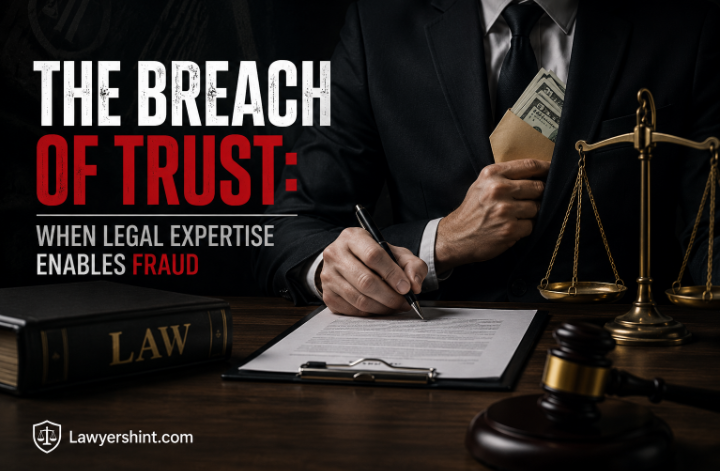

The legal profession is built upon the foundation of trust. Attorneys are “officers of the court,” a title that carries the heavy responsibility of upholding the integrity of the judicial system. When an attorney abandons this duty to engage in forgery, specifically to misappropriate assets like homes or vehicles, it is not merely a professional lapse; it is a profound betrayal of the public trust.
The Mechanism of the Fraud
The recent case involving Cooke Cleveland LLC serves as a stark reminder of how vulnerable the system can be when an attorney manipulates documents. In this instance, the court found that a confession of judgment was rendered void due to unauthorized alterations by attorney Jonathan Borg of Borg & Bryks LLP.
When an attorney uses their position to alter documents, they are weaponizing their specialized knowledge. By forging signatures or modifying terms in real estate deeds or vehicle titles, they bypass the safeguards meant to protect property rights. This type of misconduct often involves: * Fabricating Legal Authority: Creating false powers of attorney or authorizations to sell assets that do not belong to the attorney.
- Exploiting Procedural Systems: Filing forged documents with county recorders or motor vehicle departments to create a veneer of legitimacy.
- Deceiving the Court: Submitting altered documents as evidence to secure judgments, effectively turning the court into an unwitting participant in the fraud.
The Consequences: Beyond the Bar
When an attorney is caught using fraudulent documents, the legal system responds with a twopronged approach: professional discipline and criminal prosecution.
Professional Consequences
The most immediate impact is the loss of the right to practice. Forgery is classified as a “crime of moral turpitude,” which is a death knell for a legal career. Disbarment is the standard response, as the attorney has demonstrated an irredeemable lack of the honesty required to represent clients or advise the court.
Criminal and Civil Accountability
Attorneys are not immune to the laws they are sworn to uphold; in many ways, they are held to a higher standard.
- Felony Charges: Forging a deed or a vehicle title is a serious felony. Depending on the jurisdiction, this can lead to significant prison time, often exceeding the sentences for “lay” defendants due to the abuse of professional status.
- Personal Financial Ruin: Beyond criminal fines, victims can pursue the attorney in civil court. Courts often award substantial compensatory and punitive damages, and the attorney may be forced to pay full restitution for the value of the stolen assets.
- Contempt of Court: When an attorney submits forged documents to a judge, they face the court’s own contempt powers, which can result in immediate fines or incarceration.
A Call for Vigilance
The case of unauthorized document alteration highlights the necessity for rigorous oversight. While the court eventually identified the fraud, the process was costly and time-consuming for the affected parties.
Ultimately, the integrity of the legal system depends on the assumption that an attorney’s word and their filings are genuine. When that assumption is shattered by fraud, the entire system suffers. For the public, this underscores the importance of verifying legal documentation and remaining vigilant when dealing with high-stakes asset transfers. For the legal profession, it serves as a grim warning: those who use the law to commit theft will eventually find the law turned against them.